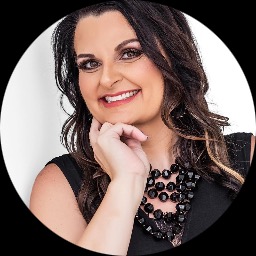
Chasity Keller Anderson, LCSW
North Dakota · 10 years in practice
Chasity Keller Anderson is a Licensed Clinical Social Worker (LCSW) based in North Dakota with ten years of experience.
License and registration
- LCSW, North Dakota
- 5616 · expires December 2027
- NPI
- 1164918082 · national provider identifier
- Years in practice
- 10
- Languages
- English
Details are as listed on the therapist's public professional profile. You can check the license with the issuing state board, and the NPI with the national registry.
About Chasity
Chasity Keller Anderson is a Licensed Clinical Social Worker (LCSW) based in North Dakota with ten years of experience. She aims to build a trusting connection first and helps people manage stress, anxiety, depression, trauma, and parenting challenges. Chasity uses a warm, interactive style so people can speak without judgment and set goals at a comfortable pace.
She began her training at the University of Southern California and has filled many roles in social services.
Background and approach
Those roles include case manager, Military OneSource counselor, and work with child abuse and neglect, domestic violence, homelessness, at-risk youth, and drug court. She has coordinated volunteer programs for Court Appointed Special Advocates and worked with children and parents facing daily pressures. Her approach blends several practical methods to match each person's needs.
Chasity uses cognitive behavioral techniques to change unhelpful thoughts and behaviors, acceptance and commitment ideas to clarify values and move forward, and attachment-based ideas to tend to relationship patterns. She also incorporates elements of dialectical behavior strategies and client-centered work to keep sessions focused on the person in front of her.
Sessions are paced to the individual and emphasize building skills people can use between meetings. She has experience supporting trauma recovery and has used EMDR as one of several tools in that work. Chasity focuses on helping people function better in day-to-day life and handle major changes with more confidence.
She communicates clearly about goals and steps, and encourages anyone who feels ready to begin the process to take the first step toward change.
Focus areas and approaches
Everything Chasity lists on their public professional profile, in their own terms.
- Stress, Anxiety
- Relationship issues
- Family conflicts
- Trauma and abuse
- Depression
- Addictions
- LGBT
- Grief
- Parenting issues
- Anger management
- Self esteem
- Bipolar disorder
- Coping with life changes
- ADHD
- Abandonment
- Adoption and foster care
- Aging and geriatric issues
- Antisocial personality
- Attachment issues
- Autism and Asperger Syndrome
- Avoidant personality
- Blended family issues
- Body image
- Caregiver issues and stress
- Codependency
- Commitment issues
- Communication problems
- Control issues
- Dependent personality
- Disruptive Mood Dysregulation Disorder (DMDD)
- Dissociation
- Divorce and separation
- Domestic violence
- Eating and food-related issues
- Emptiness
- Family of origin issues
- Family problems
- Fatherhood issues
- Fertility issues
- First responder issues
- Forgiveness
- Gender dysphoria
- Guilt and shame
- HIV / AIDS
- Immigration issues
- Impulsivity
- Infidelity
- Isolation / loneliness
- Jealousy
- Life purpose
- Men's issues
- Midlife crisis
- Veteran and Armed Forces Issues
- Money and financial issues
- Mood disorders
- Multicultural concerns
- Obsessions, compulsions, and OCD
- Panic disorder and panic attacks
- Paranoia
- Personality disorders
- Phobias
- Polyamory / non-monogamous relationships
- Postpartum depression
- Post-traumatic stress
- Pregnancy and childbirth
- Seasonal Affective Disorder (SAD)
- Self-harm
- Self-love
- Sexual assault and abuse
- Sexuality
- Social anxiety and phobia
- Somatization
- Trichotillomania
- Women's issues
- Workplace issues
- Young adult issues
Approaches Chasity names
- Eye Movement Desensitization and Reprocessing (EMDR)
- Acceptance and Commitment Therapy (ACT)
- Attachment-Based Therapy
- Client-Centered Therapy
- Cognitive Behavioral Therapy (CBT)
- Dialectical Behavior Therapy (DBT)
- Emotionally-Focused Therapy (EFT)
- Existential Therapy
- Gottman Method
- Mindfulness Therapy
- Motivational Interviewing
- Narrative Therapy
- Psychodynamic Therapy
- Solution-Focused Therapy
- Somatic Therapy
- Trauma-Focused Therapy
Naming an approach is not evidence of training in it. This directory copies what each therapist lists and does not check training records.
Online support
How different approaches translate to online care
Acceptance and Commitment Therapy (ACT) focuses on helping people name what matters to them and take small steps toward those values, even when uncomfortable thoughts or feelings show up. It is useful for anxiety, stress, and life transitions. Cognitive Behavioral Therapy (CBT) looks at the link between thoughts, feelings, and actions and teaches concrete tools to change patterns that cause distress. It often helps with depression, anxiety, and coping skills. Attachment-Based Therapy pays attention to how early relationship patterns affect current connections and helps people try new ways of relating when old patterns cause pain.Finding the right mix of approaches is part of the work. The therapist will collaborate with each person to choose which methods make the most sense based on goals, history, and preferences. That process can be adjusted over time as needs change and progress is tracked together.
Online sessions are offered as video calls, phone sessions, live chat, or text-based messaging to make therapy fit into busy lives. Video is helpful for deeper conversation and visual cues, phone can be a lower-bandwidth option, chat or text can be used for quick check-ins or when typing feels easier. These formats allow sessions from different locations, offer scheduling flexibility, and make it simpler to keep regular contact while working toward change.
We will earn a commission if you sign up through our link, at no cost to you. It does not change what you pay or the order of the listings.
Questions people ask
What concerns does this therapist commonly address?
Chasity works with a wide range of issues including stress, anxiety, depression, trauma and abuse, addictions, grief, parenting challenges, ADHD, and relationship and family concerns.
How would you describe the therapeutic approach and style?
The style is warm, interactive, and paced to each person. Sessions combine cognitive behavioral ideas, acceptance and commitment methods, attachment-based work, dialectical strategies, and a client-centered focus.
What is her professional background and experience?
She trained at the University of Southern California and brings ten years of experience working in roles such as case manager, Military OneSource counselor, and positions addressing child abuse, domestic violence, homelessness, and at-risk youth.
Where is the therapist licensed and practicing?
She is a Licensed Clinical Social Worker (LCSW) practicing in North Dakota.
Which languages are supported for sessions?
Sessions are offered in English.
What formats are available for online sessions?
Therapy is offered via video calls, phone sessions, live chat, and text-based messaging to suit different needs and schedules.
How does payment and cost work?
Cost varies with location and therapist availability. Sessions use a subscription model that can be canceled at any time.
How do I begin working with this therapist?
Start by selecting the Start Therapy button, completing a short matching questionnaire, and then scheduling a session according to available times.
More therapists in North Dakota
See allRebecca Daigneault
LCSW
Practical, trauma-aware therapy for adults
- Stress, Anxiety
- Relationship
- Trauma and abuse

Elizabeth Meyer
LCSW
Trauma-informed LCSW blending practical therapies
- Stress, Anxiety
- Trauma and abuse
- Grief

Samantha Plumski
LCSW, LICSW
Compassionate practical help for stress and trauma
- Stress, Anxiety
- Trauma and abuse
- Depression

Is this your profile?
Ask us to correct details or take the page down.
Contact us