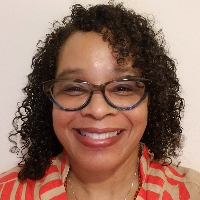
Wendi Makus
LPC
Trauma-aware counselor focused on practical change
- Addictions
- Stress, Anxiety
- Relationship
Clinical social work directory
1,022 therapists list addictions among the things they work with. All offer sessions online, and every profile shows the registering body, the membership number and when it runs to.
This page lists clinicians who work with addictions, including substance use and behavioral concerns. Browse the therapist profiles below to review approaches, credentials, languages and areas of focus.
LPC
Trauma-aware counselor focused on practical change
LPC
Compassionate counselor using practical, evidence-informed care
LPC
Calm, practical guidance for life’s hard moments
LCSW
Calm guidance for life’s hardest moments
LMFT, LCMFT
Helping people break painful relationship patterns
MD, LCPC
Compassionate practical therapy for life’s challenges
LPC
Compassionate, practical therapy for life’s challenges
BACP
Calm support for life’s difficult chapters
BACP
Compassionate relational counselling for change
AASW
Practical, culturally aware mental health support
LPCC
Practical trauma-informed counseling with EMDR
LCMHC
Experienced counselor who uses practical therapies
LMFT
Experienced therapist guiding practical change
BACP
Experienced counsellor for trauma and life change
BACP, NCPS
Therapist combining psychological insight with practical tools
LPC
Compassionate, experienced counseling for adults
LPC
Compassionate counselor for trauma and life change
LPCC
Healing practical steps for anxiety and trauma
LMHC
Calm, practical support for life and trauma
BACP
Practical, nature-informed counselling and support
LPC
Compassionate, practical counseling for life changes
LPC
Compassionate, practical therapy for real-life struggles
LCSW
Warm LCSW helping people heal and cope
LPC
Compassionate, practical support for life’s hard moments
LMHC
Experienced Florida LMHC focused on healing
LCSW
Compassionate, practical therapy for life challenges
NCPS
Calm, practical therapy for trauma and addiction
LPC, LPCC
Calm, practical help for life’s hardest moments
LPCC
Practical therapy for trauma and life stress
LCSW
Therapist focused on trauma and life change
LMHC
Practical skills for anxiety and trauma recovery
LCSW
Practical, respectful therapy for life challenges
BACP
Compassionate counsellor for trauma and life change
LPC
Practical, steady support for anxiety and trauma
ACA
Experienced ACA counsellor helping with trauma and stress
BACP
Experienced counsellor who uses EMDR and CBT
BACP
Calm, collaborative therapy with EMDR support
LPC
Practical trauma-informed therapy that teaches skills
LMHC
Compassionate, practical therapy for life challenges
NCPS
Compassionate counselling with practical tools
BACP, NCPS
Experienced counsellor focused on trauma recovery
LCSW
Experienced LCSW focused on trauma and relationships
Some links on this page are partner links. We will earn a commission if you sign up through one, at no cost to you. It does not change what you pay or the order of the listings.
Addictions can refer to repeated patterns of use or behavior that interfere with daily life, relationships and goals. For some people the issue centers on alcohol or drugs, while for others it involves behaviors such as gambling, compulsive shopping, or persistent use of digital technologies in ways that feel out of control. The experience of addiction is shaped by biology, environment and personal history, so two people with similar symptoms can have very different underlying causes and treatment needs.
The effects of an addiction often ripple outward. You may notice changes in mood, sleep, appetite or energy. Work performance and social connections may erode as priorities shift toward feeding the behavior. Financial strain and legal problems can emerge, and co-occurring mental health concerns - such as anxiety, depression or trauma-related symptoms - frequently appear alongside addictive patterns. Because addiction interacts with multiple areas of life, support that addresses emotional, behavioral and practical needs tends to be most helpful.
You might benefit from professional support if you find it difficult to cut down despite wanting to, or if cravings and urges increasingly shape your choices. Noticeable tolerance to a substance, withdrawal symptoms when you stop, or repeated unsuccessful attempts to control a behavior are common warning signs. If use or behavior leads to missed obligations, relationship conflicts, financial harm or legal consequences, those are clear signals that outside help could improve your situation.
If you are coping with shame, secrecy or ongoing stress tied to use or behaviors, a therapist can offer an outside perspective and practical tools. People often seek therapy when a pattern begins to interfere with parenting, work or physical health, or when efforts to change on their own have stalled. You might also look for assistance when there is a history of trauma, mood symptoms or other mental health concerns that complicate recovery. Therapy is a place to explore motivation, identify triggers and create a plan that matches your goals.
Your first sessions will typically involve a thorough conversation about your history, current patterns and goals. A clinician will ask about substance or behavior frequency, related harms, past attempts to change and any co-occurring symptoms. This assessment helps shape a tailored plan rather than offering a one-size-fits-all approach. You and your therapist will set short- and longer-term goals that reflect your priorities, whether that means reducing harm, achieving abstinence, repairing relationships or improving coping skills.
Therapy often blends practical skill-building with exploration of underlying factors that contribute to addictive patterns. You can expect to develop strategies for managing cravings, coping with stress and navigating social situations. Role-playing, behavioral experiments and tracking of triggers are common methods used to build new habits. Family or couples sessions may be recommended when relationships are affected, and therapists often coordinate with medical providers if medication management or medical support is part of your plan. Progress is typically gradual, and therapy includes planning for setbacks while reinforcing personal strengths and resilience.
Several therapeutic approaches are commonly applied to addictions because they help change behavior and strengthen motivation. Cognitive behavioral approaches focus on identifying unhelpful thoughts and routines and replacing them with healthier responses. Motivational methods help you explore ambivalence about change and build internal reasons to act differently. Contingency-oriented strategies emphasize clear reinforcement for change, and relapse prevention frameworks help you anticipate high-risk situations and rehearse coping plans. When reading therapist profiles, you may see these approaches listed among a clinician's methods.
Because histories of trauma often intersect with addictive behaviors, some clinicians include trauma-focused work as part of their approach. You will sometimes find therapists who list EMDR among their approaches; that phrasing indicates they include EMDR in the range of methods they use rather than confirming a specific credential. Other clinicians integrate mindfulness, family systems work or experiential techniques to address emotional regulation and relational patterns that maintain addictive cycles. Many people find that a combined approach - addressing both immediate behaviors and deeper emotional drivers - provides the most durable results.
Online therapy lets you connect with a clinician by video call, phone or messaging platforms, offering flexibility if in-person sessions are not convenient. You will typically schedule regular appointments and use sessions much like you would in a clinic - discussing goals, reviewing homework and practicing skills. If you live in a location where specialized care is limited, online options can broaden the pool of clinicians whose experience and language match your needs. Be sure you plan to participate from a quiet, safe setting where you can talk openly during sessions.
Therapy for addictions sometimes intersects with medical care, group programs or community resources. When relevant, a therapist can help you connect with local supports such as medication prescribers, vocational services or peer recovery networks. If your pattern involves risk of withdrawal or other medical complications, your clinician may advise you to consult a medical professional to ensure safety. Online therapy can be integrated with local in-person services so that you receive a comprehensive plan that addresses both behavioral and health needs.
Start by identifying what matters most to you: do you want help with managing cravings, working on relationships, addressing trauma or planning for long-term recovery? Look for clinicians who list relevant focus areas and approaches that align with those goals. Consider languages spoken and whether a clinician describes experience working with specific substances or behaviors similar to yours. Profiles that note work with co-occurring mood or trauma-related concerns can be helpful if those issues are part of your experience.
When you review profiles, pay attention to descriptions of therapeutic style. Do you prefer a directive coach-like clinician or a thoughtful listener who emphasizes exploration? Many people find it useful to inquire about typical session structure, how progress is measured and whether family involvement or group work is suggested. If EMDR is of interest, choose clinicians who list EMDR among their approaches and ask how they integrate that method into a broader plan. Also consider logistical factors such as session format and whether you want an online-only or mixed approach. Ultimately, the best fit is a clinician whose approach and communication style match your needs and with whom you feel comfortable working toward change.