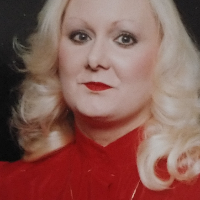
Steven Brashear
LMHC
Practical, values-focused trauma and anxiety help
- Stress, Anxiety
- Trauma and abuse
- Grief
Clinical social work directory
1,489 therapists list post-traumatic stress among the things they work with. All offer sessions online, and every profile shows the registering body, the membership number and when it runs to.
This page lists therapists who work with post-traumatic stress, with details on approaches, credentials, languages and focus areas. Browse the listings below to review profiles and learn more about practitioners who may match your needs.
LMHC
Practical, values-focused trauma and anxiety help
LCSW
Compassionate, practical care for anxiety and trauma
LCMHC
Practical, trauma-informed counseling for adults
LPC
Trauma-aware counselor focused on practical change
LPC
Compassionate counselor using practical, evidence-informed care
LCSW
Practical trauma-informed care with compassion
LMFT, LCMFT
Helping people break painful relationship patterns
NCPS
Support for anxiety, trauma, and life changes
MD, LCPC
Compassionate practical therapy for life’s challenges
LPC
Compassionate, practical therapy for life’s challenges
BACP
Calm support for life’s difficult chapters
BACP
Compassionate relational counselling for change
AASW
Practical, culturally aware mental health support
LPC
Centered, practical therapy for everyday struggles
LPCC
Practical trauma-informed counseling with EMDR
LPC
Practical, trauma-informed counseling for life challenges
LCMHC
Experienced counselor who uses practical therapies
LCSW, CSW
Connecting strengths with steady change
LMFT
Experienced therapist guiding practical change
BACP
Experienced counsellor for trauma and life change
BACP, NCPS
Therapist combining psychological insight with practical tools
LPC
Compassionate, experienced counseling for adults
LPC
Compassionate counselor for trauma and life change
LPC
Compassionate counselor focused on practical change
LPCC
Healing practical steps for anxiety and trauma
LMHC
Calm, practical support for life and trauma
LMFT
Practical, adaptable therapy for life transitions
LCSW
Trauma-informed LCSW focused on practical skills
NY Psychoanalyst
Experienced New York psychoanalyst blending skills and depth
LIMHP
Practical, collaborative care for stress and trauma
BACP
Practical, nature-informed counselling and support
LPC
Compassionate, practical counseling for life changes
LPC
Compassionate, practical therapy for real-life struggles
LCSW
Practical, compassionate help for trauma and life change
LPC
Compassionate, practical support for life’s hard moments
LCSW
Compassionate, practical therapy for life challenges
NCPS
Calm, practical therapy for trauma and addiction
LCSW
Practical, person-focused therapy for stress and trauma
LPC, LPCC
Calm, practical help for life’s hardest moments
Some links on this page are partner links. We will earn a commission if you sign up through one, at no cost to you. It does not change what you pay or the order of the listings.
Post-traumatic stress can follow a single traumatic event, repeated exposures, or prolonged periods of danger or harm. You might notice intrusive memories or images, nightmares, or flashbacks that make you feel as though the event is happening again. You may also find yourself avoiding reminders of what happened, steering clear of places, people or conversations that trigger distress. Changes in mood and thinking can include feeling detached, having negative beliefs about yourself or others, or losing interest in activities you once enjoyed. Many people also notice heightened physical reactivity - startled responses, trouble concentrating, or sleep disruption - that persists beyond the immediate aftermath of a traumatic experience.
How post-traumatic stress affects daily life varies widely. For some people, symptoms are intermittent and manageable; for others, they impact work, relationships and daily functioning. Emotional reactions can shift over time, and new triggers may appear unexpectedly. Understanding the range of common reactions can help you recognize what you are experiencing and consider whether talking with a mental health professional could be helpful.
You might consider seeking therapy if distress from past events interferes with your ability to live the life you want. If you find that memories, avoidance, or hypervigilance are making it hard to concentrate at work, maintain relationships or feel safe in everyday situations, therapy can offer ways to reduce distress and improve coping. You may notice that emotional responses are stronger or longer-lasting than you expected, or that you are using substances or other behaviors to try to manage intense feelings. Frequent nightmares, recurring intrusive thoughts, persistent guilt or shame linked to an event, or a sense that your reactions are changing who you are can all be indicators that focused support would be useful.
Therapy is also appropriate if you feel stuck in patterns of numbness or withdrawal, or if you experience physical symptoms such as chronic tension, digestive issues, or sleep problems that seem connected to past trauma. You do not need to wait until a crisis to reach out; early engagement with a therapist can help you build tools for regulation, develop a plan for processing painful memories at a pace that feels manageable, and restore a sense of agency over your daily life.
Early sessions typically involve an assessment to understand your history, current symptoms and treatment goals. Your therapist will ask about the traumatic events, how those events affect you now, and what you hope to change. Together you and your therapist will set priorities and agree on a pace of work that feels tolerable. Sessions often balance skill-building - learning ways to manage intense emotions and bodily reactions - with careful processing of memories when you are ready.
Therapy for post-traumatic stress is rarely a one-size-fits-all process. You can expect a mix of practical strategies for grounding and emotion regulation, discussion of your experiences and meanings, and, when appropriate, guided approaches to revisit and reprocess distressing memories. Therapy may include homework exercises to practice skills between sessions, and frequent check-ins to monitor how you are responding. A collaborative approach means you will have opportunities to give feedback about what feels helpful or what needs to be adjusted.
Therapists use a variety of methods to address post-traumatic stress. You may find therapists who list EMDR among their approaches; that phrase indicates the therapist includes that method among their tools rather than implying a specific credential. Many practitioners also list cognitive behavioral approaches among their methods, which focus on identifying and changing patterns of thought and behavior that maintain distress. Exposure-based techniques aim to help you face memories or situations safely so that fear and avoidance decrease over time. Some therapists include internal family systems among their approaches, which explores inner parts or voices and their roles in coping with trauma.
Other approaches you might encounter include somatic therapies that emphasize bodily experience and regulation, narrative approaches that help you reframe and integrate your story, and mindfulness-informed work that increases present-moment awareness and tolerance of difficult affect. Therapists often combine elements from several approaches to match your needs, preferences and the specific nature of the traumatic experience. When you review profiles, pay attention to how practitioners describe their focus, typical session structure and the kinds of clients they commonly work with so you can find someone whose approach resonates with you.
Online therapy makes it possible to work with clinicians from different locations and can offer continuity when in-person visits are difficult. Sessions are usually conducted via video, phone or messaging, and many therapists adapt tools and exercises to the virtual setting. You can expect to learn grounding techniques, breathing and relaxation methods, and guided exercises that you can practice at home. Some elements of trauma-focused work, such as exposure or body-oriented work, can be adapted for remote delivery with careful planning and collaboration about safety and pacing.
It is normal to have questions about logistics. Typical considerations include session length, how records are kept, fee structures and whether the therapist works with people in your state or country. When you choose an online therapist, look for descriptions of their approach to telehealth and how they handle emergencies or referrals in your area. Clear communication about how sessions will be conducted helps you set expectations and feel more comfortable engaging in sensitive work from a distance.
When evaluating therapists, consider the specific focus areas listed in profiles, the approaches they describe, their professional credentials and the populations they mention working with. Think about practical preferences such as session length, language, cultural background and experience with particular types of trauma. Reading how a clinician explains their approach can give you a sense of their style - whether they emphasize skills training, deep processing, body awareness or a combination. You may want someone who explicitly mentions working with survivors of certain events or with particular life stages.
It can help to reflect on what feels most important to you in therapy. Do you want practical skills to reduce day-to-day symptoms, or are you more interested in exploring meaning and identity changes after trauma? Are in-the-moment grounding techniques essential for you, or do you prefer a slower, reflective process? Use listings to identify a short list of profiles that align with your priorities and reach out to ask questions about approach, typical session structure and how they support clients through difficult moments. Trust your sense of fit - rapport and feeling heard are important elements in making progress in trauma-focused work.
Entering therapy for post-traumatic stress is a step toward rebuilding a sense of safety and control. You can expect a process that honors your pace and focuses on practical ways to manage symptoms while gradually addressing the memories and meanings that keep those symptoms present. Along the way you will likely develop a toolbox of skills to help regulate your nervous system, strengthen relationships and re-engage with activities that matter to you.
As you explore listings on this page, take time to read clinicians' descriptions and consider reaching out with questions about approach, session format and how they support clients through trauma-focused work. Finding the right match may take a few attempts, and that is a normal part of the process. With thoughtful selection and a collaborative therapeutic relationship, you can create a path toward greater stability and well-being.