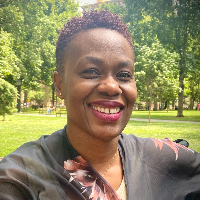
Asyia Hall
LCSW
Compassionate, practical care for anxiety and trauma
- Relationship
- Stress, Anxiety
- Trauma and abuse
Clinical social work directory
1,463 therapists list relationship among the things they work with. All offer sessions online, and every profile shows the registering body, the membership number and when it runs to.
On this page you will find therapists who focus on relationship issues, including couples work and individual relationship challenges. Profiles include approaches, languages, credentials, and focus areas to help guide your search. Browse the listings below to find a therapist whose experience matches what you are looking for.
LCSW
Compassionate, practical care for anxiety and trauma
LCMHC
Practical, trauma-informed counseling for adults
LPC
Trauma-aware counselor focused on practical change
LPC
Compassionate counselor using practical, evidence-informed care
AASW
Practical, compassionate counselling for everyday challenges
LPC
Calm, practical guidance for life’s hard moments
LCSW
Practical trauma-informed care with compassion
LMFT, LCMFT
Helping people break painful relationship patterns
LPC
Compassionate counselor for lasting change
MD, LCPC
Compassionate practical therapy for life’s challenges
LPC
Compassionate, practical therapy for life’s challenges
BACP
Calm support for life’s difficult chapters
BACP
Compassionate relational counselling for change
AASW
Practical, culturally aware mental health support
LPC
Centered, practical therapy for everyday struggles
LPCC
Practical trauma-informed counseling with EMDR
LPC
Practical, trauma-informed counseling for life challenges
LCMHC
Experienced counselor who uses practical therapies
LMFT
Experienced therapist guiding practical change
BACP
Experienced counsellor for trauma and life change
LPC
Supportive counselor focused on practical progress
BACP, NCPS
Therapist combining psychological insight with practical tools
LPC
Compassionate, experienced counseling for adults
LPC
Compassionate counselor focused on practical change
LMHC
Calm, practical support for life and trauma
LMSW
Supportive therapist for emotional regulation
LMFT
Practical, adaptable therapy for life transitions
LCSW
Trauma-informed LCSW focused on practical skills
NY Psychoanalyst
Experienced New York psychoanalyst blending skills and depth
LIMHP
Practical, collaborative care for stress and trauma
BACP
Practical, nature-informed counselling and support
LPC
Compassionate, practical counseling for life changes
LPC
Compassionate, practical therapy for real-life struggles
LCSW
Practical, compassionate help for trauma and life change
LPC
Compassionate, practical support for life’s hard moments
LCSW
Compassionate, practical therapy for life challenges
LCSW
Practical, person-focused therapy for stress and trauma
LPC, LPCC
Calm, practical help for life’s hardest moments
LCPC
Calm practical therapy for life’s heavy moments
LPCC
Practical therapy for trauma and life stress
LCSW
Therapist focused on trauma and life change
LMFT
Compassionate therapist combining practical strategies
LMHC
Practical skills for anxiety and trauma recovery
Some links on this page are partner links. We will earn a commission if you sign up through one, at no cost to you. It does not change what you pay or the order of the listings.
Relationships are central to how you experience daily life - from your mood to your sense of safety and belonging. Relationship concerns can arise in romantic partnerships, between family members, among friends, or in other close connections. These concerns often show up as patterns rather than single events: recurring fights about the same topic, long stretches of emotional distance, repeated misunderstandings, or cycles of withdrawal and pursuit. Over time these patterns can shape your expectations, how you communicate, and the way you respond to stress.
When relationships are strained you may notice changes in your sleep, appetite, concentration, or motivation. You might feel more anxious, more reactive, or more numb. Past experiences - including earlier relationships and unresolved hurts - can influence how you perceive your partner's behavior and how you respond. At the same time, life transitions such as becoming parents, changing jobs, moving, or caring for aging relatives can create new pressures that highlight existing difficulties. Many people seek relationship-focused help not because a single event occurred but because they want to shift longstanding dynamics and restore connection, mutual understanding, or a more workable way of managing conflict.
You might consider relationship therapy if you notice persistent emotional distance, escalating arguments, or recurring cycles that leave you feeling stuck. If communication feels unsafe or you avoid important conversations out of fear of how they will go, therapy can provide a structured space to practice different ways of relating. When one or both partners withdraw, or when one partner's past trauma or stressors appear to be shaping current conflicts, targeted work can help you identify patterns and build new skills.
Relationship therapy is not always limited to sessions with both partners. If you are struggling with attachment issues, boundaries, trust, jealousy, or the legacy of earlier relationships, individual therapy that focuses on relational patterns can offer insight and tools that improve your connections. Seeking help is also appropriate if you are considering major decisions about your relationship and you want a clearer picture of what you need and how to get there. The decision to pursue help often comes from a desire to reduce pain, improve communication, and develop more satisfying ways of being together.
Your first sessions typically focus on understanding the history and patterns that brought you to therapy. A therapist will ask about relationship history, how you and the other person typically respond during conflict, and what you both hope to change. Sessions that include both partners often begin with each person describing their concerns and hopes, while the therapist maps interaction patterns that maintain distress. If you attend individually, the therapist will explore how your past and present experiences shape your relational expectations and behavior.
As therapy progresses you can expect a mix of reflection and skill-building. Therapists often help couples and individuals practice communication techniques, manage intense emotions, and develop clearer boundaries. Some sessions focus on in-the-moment interaction - where the therapist coaches a conversation to help you try new responses - while other sessions concentrate on understanding underlying feelings, beliefs, and attachment dynamics. Homework assignments or exercises between sessions can reinforce learning and provide real-world practice. Progress looks different for every person and relationship; some people notice small shifts in how they handle disagreements, while others report deeper changes in how they connect emotionally.
Therapists may draw from a range of approaches depending on the goals you set together. Emotionally focused work often explores the emotional patterns that connect partners and helps you identify the vulnerable feelings beneath anger or withdrawal. Systemic and family-oriented approaches consider how each person s role fits into larger relational patterns and aim to change the interaction cycles that perpetuate distress. Cognitive-behavioral techniques can help you identify and adjust unhelpful thoughts and behaviors that interfere with closeness. Psychodynamic or insight-oriented work explores how earlier relationships influence current expectations and emotional responses.
Some therapists emphasize practical communication skills and conflict resolution, while others integrate experiential methods that allow you to process emotion in the session. If trauma plays a role in your relationship difficulties, some therapists may list EMDR among their approaches as one option they use when addressing traumatic memories and their effects on attachment and trust. Mentioning an approach on a profile indicates that a therapist uses or references that method in their work; it does not, by itself, indicate a specific level of credentialing. A helpful conversation with a therapist can clarify how they adapt their chosen methods to your situation and what experience they have with the approaches you are considering.
Online sessions expand access when partners live apart or prefer meeting from home. Video appointments often mirror in-person work: you and your therapist discuss patterns, practice interactions, and develop new skills. Many people find that working from home allows them to apply techniques in familiar contexts, but it helps to prepare a quiet, quiet space where interruptions are minimized. Therapists typically explain the technical setup, session length, and how they handle logistics like fees and scheduling. If safety concerns arise, the therapist will discuss plans for managing crises in your area and how to get immediate help if needed.
When selecting a therapist for relationship work you may want to compare focus areas, approaches, credentials, languages, and clinical experience. Consider whether you prefer someone who specializes in couples therapy, family systems, trauma-informed care, or working with individuals on relational patterns. Look at the approaches listed and ask about a therapist s experience using them with situations similar to yours. If a therapist lists EMDR among their approaches and you think trauma is central to your concerns, ask how they integrate that method into relationship-focused work and what that process typically involves.
Fit matters. You should feel that the therapist listens and understands your perspective and that they can describe a clear way of working toward the goals you and your partner set. Cultural competence and comfort with issues related to identity, sexuality, religion, or family structure can be especially important depending on your background. Practical considerations - such as session length, fee structure, and whether the therapist communicates in a language you prefer - also play a role. Reading profiles can give you an initial sense of whether a therapist might be a match, and reaching out to ask a few specific questions about approach and experience can help you make an informed choice.
Deciding to seek help for relationship concerns is a proactive step toward greater understanding and healthier interactions. Therapy can offer tools to manage conflict, rebuild trust, and foster emotional connection, but the work typically unfolds over time and requires practice outside sessions. Whether you pursue couples sessions, individual work that addresses relational patterns, or a combination, you can expect a process that balances insight with practical skills.
Use the listings above to explore therapists who describe relationship work among their focus areas. Look for profiles that detail the approaches used, languages spoken, professional credentials, and experience with issues that matter to you. When you find a therapist who seems like a possible fit, a brief conversation about their way of working can clarify whether they are the right match for your needs. Taking that next step can help you move toward clearer communication, deeper understanding, and a more satisfying way of relating in your life.