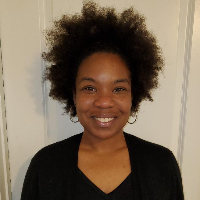
Steven Brashear
LMHC
Practical, values-focused trauma and anxiety help
- Stress, Anxiety
- Trauma and abuse
- Grief
Clinical social work directory
1,257 therapists list Solution-Focused Therapy among the ways they work. Naming an approach is not evidence of training in it, so ask directly how they use it.
Solution-Focused Therapy emphasizes practical, goal-oriented conversations that build on strengths and what is already working. Below, visitors can browse therapists who list Solution-Focused Therapy among their approaches to review profiles and approach descriptions.
LMHC
Practical, values-focused trauma and anxiety help
LCSW
Compassionate, practical care for anxiety and trauma
LCMHC
Practical, trauma-informed counseling for adults
LPC
Trauma-aware counselor focused on practical change
LPC
Compassionate counselor using practical, evidence-informed care
AASW
Practical, compassionate counselling for everyday challenges
LPC
Calm, practical guidance for life’s hard moments
LMFT, LCMFT
Helping people break painful relationship patterns
LPC
Compassionate counselor for lasting change
NCPS
Support for anxiety, trauma, and life changes
BACP
Calm support for life’s difficult chapters
BACP
Compassionate relational counselling for change
AASW
Practical, culturally aware mental health support
LPC
Centered, practical therapy for everyday struggles
LPCC
Practical trauma-informed counseling with EMDR
LPC
Practical, trauma-informed counseling for life challenges
LCMHC
Experienced counselor who uses practical therapies
LCSW, CSW
Connecting strengths with steady change
LMFT
Experienced therapist guiding practical change
LPC
Supportive counselor focused on practical progress
BACP, NCPS
Therapist combining psychological insight with practical tools
LPC
Compassionate, experienced counseling for adults
LPC
Compassionate counselor for trauma and life change
LPC
Compassionate counselor focused on practical change
LMHC
Calm, practical support for life and trauma
LMFT
Practical, adaptable therapy for life transitions
LCSW
Trauma-informed LCSW focused on practical skills
NY Psychoanalyst
Experienced New York psychoanalyst blending skills and depth
LIMHP
Practical, collaborative care for stress and trauma
BACP
Practical, nature-informed counselling and support
LPC
Compassionate, practical counseling for life changes
LPC
Compassionate, practical therapy for real-life struggles
LCSW
Practical, compassionate help for trauma and life change
LPC
Compassionate, practical support for life’s hard moments
LCSW
Compassionate, practical therapy for life challenges
LCSW
Practical, person-focused therapy for stress and trauma
LPC, LPCC
Calm, practical help for life’s hardest moments
LPCC
Practical therapy for trauma and life stress
Some links on this page are partner links. We will earn a commission if you sign up through one, at no cost to you. It does not change what you pay or the order of the listings.
Solution-Focused Therapy centers on change by focusing on solutions rather than an exhaustive analysis of problems. You will encounter a forward-looking way of working that highlights your abilities, past successes, and small steps toward desired outcomes. Rather than dwelling on causes or assigning responsibility, the approach asks questions that help you visualize a preferred future and identify concrete, achievable actions that move you in that direction.
The core principles are concise and practical. Therapists using this approach typically collaborate with you to set clear, measurable goals, notice exceptions - moments when the problem is less intense or absent - and amplify effective strategies you have already used. Therapists often use short, targeted conversations designed to build momentum, and they encourage you to experiment with new behaviors between sessions. The process is flexible and can be adapted to different life stages and situations, making it a widely applied method in outpatient settings and brief therapy formats.
You may find Solution-Focused Therapy helpful for a wide range of concerns that benefit from goal clarity and practical action. People often choose this approach for life transitions, relationship difficulties, stress management, workplace challenges, and coping with mild to moderate anxiety or depressive symptoms. Because the method emphasizes what you want to achieve and the steps that lead there, it is frequently used when there are specific goals such as improving communication with a partner, increasing work-life balance, or developing routines that support wellbeing.
This approach is also applied in contexts where time-limited support is preferred, and where you want tangible changes within a shorter frame. It can be useful in combination with other strategies if you are working on complex or long-standing concerns, because it offers practical tools to create immediate progress while broader work continues. The focus on resourcefulness and past successes can help you regain a sense of agency and see new possibilities when you feel stuck.
In a typical session you will spend time clarifying your goals and describing what success would look like. The therapist will ask focused, open-ended questions that help you imagine a future without the current problem and identify small, concrete differences that would indicate progress. Common techniques include the miracle question - asking what would be different if a miracle happened and the problem was solved - and scaling questions, which let you rate current progress and specify small next steps to move the scale up.
Sessions often begin with a brief check-in about recent changes or exceptions to the problem, highlighting what has worked even in small ways. You will then set an achievable target for the coming days or week and may be invited to try a specific experiment or practice. The tone of sessions is collaborative and action-oriented, with a focus on clear, observable outcomes. Many people find this structure helpful because it produces concrete tasks and a sense of progress between meetings, which reinforces momentum and learning.
Session length and rhythm vary depending on your needs and preferences. Some people work in a short series of focused sessions intended to resolve a particular issue, while others integrate solution-focused conversations into longer-term therapy. The approach is adaptable to both single-session consultations and ongoing work, and the emphasis on measurable steps makes it easy to track development over time.
Solution-Focused Therapy differs from more problem-centered models by prioritizing strengths and solutions rather than detailed problem analysis. If you have experienced therapies that explore the origins of difficulties or focus on in-depth emotional processing, you may notice that the solution-focused approach shifts attention to what you want to create and how to get there. This does not mean that emotions are ignored, but the primary pathway to change emphasizes action and capability.
Compared with cognitive approaches that examine and challenge thoughts, solution-focused work places greater emphasis on identifying practical behaviors and experiments that produce desired results. Compared with longer psychodynamic or insight-oriented therapies, the solution-focused model aims for quicker, actionable change and often uses brief, structured conversations to uncover what already works. The approach can complement other methods by adding a goal-focused, pragmatic layer to broader therapeutic work.
The kinds of questions you encounter in solution-focused work are distinctive. Therapists ask about exceptions, past successes, and tiny steps toward goals, rather than focusing solely on symptom tracking. This language helps you notice capacities and resources that might otherwise be overlooked, and it encourages a mindset of experimentation and adaptation. The conversational style is typically optimistic without minimizing real challenges, and it supports a sense of competence and forward movement.
You might be a good candidate for Solution-Focused Therapy if you prefer practical strategies, want clarity about immediate goals, and appreciate structured, goal-directed conversations. If you are seeking targeted help for a particular issue or want to build momentum through small, manageable changes, this approach can fit well. It is also suitable when time-limited work is a priority or when you want tools that you can apply between sessions.
People with complex trauma histories, severe psychiatric conditions, or those needing intensive medical management may use solution-focused techniques as part of broader, multidisciplinary care rather than as a sole approach. The method tends to produce incremental change and clearer behavioral plans; many people report feeling more focused and empowered after a series of sessions. Because progress is framed in concrete terms, you and your therapist can easily monitor shifts and adjust goals as needed.
When you search for a therapist who lists Solution-Focused Therapy among their approaches, pay attention to how practitioners describe their work. Look for profiles that explain how they apply the approach, what kinds of goals they commonly address, and how they blend it with other modalities. Reading about a clinician's focus areas, professional background, and languages spoken can help you assess whether their experience aligns with your needs and cultural preferences.
Consider contacting therapists to ask about their approach in more detail before deciding to engage. You might ask how they structure sessions, what a typical plan would look like for your concern, and how they measure progress. It is reasonable to inquire about session length, communication style, and how collaborative the planning process will be. These conversations can give you a sense of whether the therapist's style and emphasis on solution-focused work feel like a good match.
Trust your instincts about rapport and fit. Even when a therapist lists Solution-Focused Therapy among their approaches, the interpersonal dynamic matters. You may prefer someone who balances direct, task-oriented guidance with warmth and curiosity. Take the time to review profiles, read descriptions carefully, and seek a practitioner whose stated methods and values align with your goals. If you start sessions and find that you need a different emphasis, you can discuss adjustments or integrate complementary strategies to better support your progress.