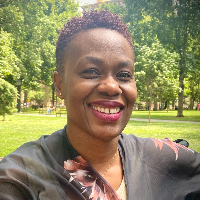
Steven Brashear
LMHC
Practical, values-focused trauma and anxiety help
- Stress, Anxiety
- Trauma and abuse
- Grief
Clinical social work directory
1,267 therapists list life purpose among the things they work with. All offer sessions online, and every profile shows the registering body, the membership number and when it runs to.
This directory page highlights clinicians who focus on life purpose and meaning, including therapists who list EMDR among their approaches. Use the listings below to review profiles, approaches, credentials, languages, and practice focus.
Browse the therapist listings to learn more about styles and experience that may match your needs.
LMHC
Practical, values-focused trauma and anxiety help
LCSW
Compassionate, practical care for anxiety and trauma
LPC
Trauma-aware counselor focused on practical change
LPC
Compassionate counselor using practical, evidence-informed care
LPC
Calm, practical guidance for life’s hard moments
LCSW
Practical trauma-informed care with compassion
LMFT, LCMFT
Helping people break painful relationship patterns
LCMHC
Compassionate trauma-informed counseling
NCPS
Support for anxiety, trauma, and life changes
LPC
Compassionate, practical therapy for life’s challenges
BACP
Calm support for life’s difficult chapters
BACP
Compassionate relational counselling for change
AASW
Practical, culturally aware mental health support
LPCC
Practical trauma-informed counseling with EMDR
LPC
Practical, trauma-informed counseling for life challenges
LCMHC
Experienced counselor who uses practical therapies
LCSW, CSW
Connecting strengths with steady change
LMFT
Experienced therapist guiding practical change
BACP
Experienced counsellor for trauma and life change
BACP, NCPS
Therapist combining psychological insight with practical tools
LPC
Compassionate, experienced counseling for adults
LPC
Compassionate counselor for trauma and life change
LPC
Compassionate counselor focused on practical change
LPCC
Healing practical steps for anxiety and trauma
LMHC
Calm, practical support for life and trauma
LMFT
Practical, adaptable therapy for life transitions
LCSW
Trauma-informed LCSW focused on practical skills
NY Psychoanalyst
Experienced New York psychoanalyst blending skills and depth
BACP
Practical, nature-informed counselling and support
LPC
Compassionate, practical counseling for life changes
LPC
Compassionate, practical therapy for real-life struggles
LCSW
Practical, compassionate help for trauma and life change
LPC
Compassionate, practical support for life’s hard moments
LCSW
Compassionate, practical therapy for life challenges
NCPS
Calm, practical therapy for trauma and addiction
LCSW
Practical, person-focused therapy for stress and trauma
LPC, LPCC
Calm, practical help for life’s hardest moments
LPCC
Practical therapy for trauma and life stress
LCSW
Therapist focused on trauma and life change
Some links on this page are partner links. We will earn a commission if you sign up through one, at no cost to you. It does not change what you pay or the order of the listings.
When people talk about life purpose they are usually pointing to a sense of direction, values that guide decisions, and a feeling that daily choices align with something meaningful. You might experience purpose as a clear vocational path, a commitment to relationships or causes, or a guiding set of principles that shapes how you spend your time. Purpose can feel stable for a while and then shift as circumstances change - career transitions, family shifts, illness, or losses often prompt reexamination. That reexamination can be energizing, or it can feel disorienting and heavy.
How you understand your purpose influences choices about work, relationships, priorities, and well-being. When purpose and daily life feel aligned you may notice greater motivation and satisfaction. When they do not align you may feel restless, stuck, or adrift. That experience is common and not a sign of failure. It can be an invitation to explore what matters to you now, to let go of roles that no longer fit, and to cultivate activities that bring meaning.
You might start thinking about life purpose after an event that changes your trajectory - a loss, a milestone birthday, a career plateau, or an unexpected shift in relationships. You may notice persistent questions about why you do what you do, difficulty committing to a path, or a sense that time is slipping by without meaningful engagement. Emotional signals can include low mood, anxiety about decisions, chronic boredom, or a feeling of being overwhelmed by options. Those feelings often co-occur with physical signs such as fatigue or changes in sleep, but they primarily reflect the strain of misalignment between your values and daily life.
If indecision about purpose affects your ability to make choices, maintain relationships, or pursue goals, therapy can help you untangle the sources of uncertainty. You may also seek support when you want to clarify values before a major life change or when you want to build a practical plan for shifting career or lifestyle. Therapy is not a magic fix; it is a collaborative space where you explore meaning, test assumptions, and practice steps that move you toward a life that feels more coherent and intentional.
Early sessions usually focus on understanding your current circumstances and what you hope to change. You and your therapist will map out themes - values, past experiences that shaped beliefs about purpose, and practical constraints such as finances or caregiving responsibilities. Together you can set goals that are concrete and flexible, ranging from clarifying values to testing small behavioral experiments that shift daily routines. The pace will depend on your readiness for reflection and action.
Therapy for life purpose blends reflective and action-oriented work. You will examine stories you tell about yourself - beliefs about talent, worth, and possibility - and test them against new evidence. You may revisit past decisions to understand patterns, experiment with new roles or projects to see what fits, and develop practices that sustain purpose such as journaling, values-driven planning, or boundary setting. Progress is often incremental. Expect a mix of insight-oriented conversations and practical homework aimed at translating values into day-to-day choices.
Therapists draw from many approaches when working on life purpose. You may encounter existential-influenced work that asks deep questions about meaning and freedom, narrative approaches that help you re-author your life story, or acceptance and commitment oriented methods that emphasize living in line with values. Some clinicians integrate cognitive methods to address unhelpful thinking patterns that block movement, while others use experiential or somatic techniques to reconnect you to felt priorities. When reviewing profiles you may see phrases like therapists who list cognitive behavioral therapy among their approaches, therapists who list acceptance and commitment therapy among their approaches, or therapists who list existential or narrative practices among their approaches. Those listings describe the approaches a clinician uses but do not by themselves indicate formal qualifications in any given model.
For many people a loss of purpose is linked to earlier experiences that shaped identity and safety. Some clinicians use trauma-informed perspectives to ensure that exploration of purpose respects your pacing and boundaries. You might also find therapists who list EMDR among their approaches included in profiles; that listing signals they use that method with some clients, not that the method is recommended for everyone. Discuss the ways a therapist works with history and emotion so you understand how meaning-focused work will be paced and supported.
Online therapy typically takes place by video, phone, or text-based messaging, and it can be well suited to life purpose work because it allows you to access clinicians whose focus matches your needs even if they are not local. You can schedule sessions around your routine, bring work-related documents or journals into the conversation easily, and try exercises that fit your life context. Technical quality matters - a clear connection and a quiet, personal setting help you stay engaged. If you plan to do experiential exercises during sessions consider what in your home supports that work, such as a space to move or write.
Some people worry that online work will feel distant. In practice many find that focused conversations transfer well to virtual formats and that rapport develops through consistent sessions and thoughtful communication. You can ask about a clinician's approach to tracking progress and to integrating between-session work such as readings, journaling prompts, or small behavioral experiments. Make sure the clinician describes how they structure sessions and how they support follow-through on goals. That clarity helps you evaluate whether the remote format will meet your expectations for collaborative exploration.
When choosing a therapist start with how they describe their focus - some clinicians emphasize vocational exploration, others emphasize existential meaning, and others specialize in transitions like retirement or parenting changes. Look at the approaches they list and think about what resonates for you. If you prefer structured planning you may be drawn to therapists who list cognitive or behavioral approaches among their approaches. If you want deep meaning work you might look for therapists who mention existential or narrative frameworks. Pay attention to languages spoken, populations served, and cultural perspectives, since cultural fit can shape how purpose is understood and pursued.
Consider contacting a few clinicians to ask concise questions that matter to you - how they typically work on life purpose, what a typical session looks like, how they measure progress, and whether they use homework or experiments between sessions. You can also ask about logistical matters like session length and fees. While browsing profiles, compare focus areas, approaches, credentials such as licensure, languages, and years of experience. Reading therapist bios and introductory materials gives you a sense of tone and emphasis so you can choose someone whose style feels compatible.
Finding greater clarity about purpose is often a gradual process that combines insight with practical steps. Therapy can offer structured support as you explore what matters, test new directions, and build a life that reflects your evolving values. Use the listings on this directory to read clinician profiles, note approaches that appeal to you, and select a few to learn more about how they might partner with you on this journey.