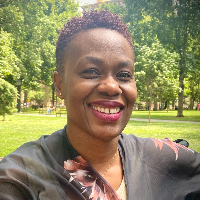
Steven Brashear
LMHC
Practical, values-focused trauma and anxiety help
- Stress, Anxiety
- Trauma and abuse
- Grief
Clinical social work directory
798 therapists list sexual trauma among the things they work with. All offer sessions online, and every profile shows the registering body, the membership number and when it runs to.
Find therapists who list sexual trauma as a focus and note EMDR among their approaches. This page highlights practitioner profiles with information on approaches, credentials, languages, and focus areas. Browse the listings below to begin your search.
LMHC
Practical, values-focused trauma and anxiety help
LPC
Trauma-aware counselor focused on practical change
LCSW
Practical trauma-informed care with compassion
LMFT, LCMFT
Helping people break painful relationship patterns
BACP
Calm support for life’s difficult chapters
BACP
Compassionate relational counselling for change
AASW
Practical, culturally aware mental health support
LMFT
Experienced therapist guiding practical change
BACP
Experienced counsellor for trauma and life change
LPC
Supportive counselor focused on practical progress
BACP, NCPS
Therapist combining psychological insight with practical tools
LPC
Compassionate, experienced counseling for adults
LPC
Compassionate counselor for trauma and life change
LPC
Compassionate counselor focused on practical change
LMHC
Calm, practical support for life and trauma
NY Psychoanalyst
Experienced New York psychoanalyst blending skills and depth
BACP
Practical, nature-informed counselling and support
LPC
Compassionate, practical therapy for real-life struggles
LCSW
Practical, compassionate help for trauma and life change
LPC
Compassionate, practical support for life’s hard moments
LCSW
Compassionate, practical therapy for life challenges
LCPC
Experienced counselor focused on trauma and life change
LCSW
Practical, respectful therapy for life challenges
BACP
Compassionate counsellor for trauma and life change
BACP
Compassionate, practical counselling for trauma and anxiety
HCPC
Calm, practical care for emotional difficulty
ACA
Experienced ACA counsellor helping with trauma and stress
BACP
Experienced counsellor who uses EMDR and CBT
BACP, NCPS
Experienced counsellor focused on trauma recovery
LPC
Calm, practical support for life’s hard moments
LCSW
Experienced LCSW focused on trauma and relationships
BACP
Practical, compassionate support for life’s challenges
LMHC
Warm, practical support for trauma and life change
LPC
Experienced counselor for trauma and life transitions
NCPS
Compassionate practical therapy for stress and trauma
LCPC
Compassionate, trauma-informed counselor
BACP
Depth-focused counsellor for steady change
LMFT
Practical therapy for trauma and relationship struggles
NCPS
Practical, person-focused counselling for change
Some links on this page are partner links. We will earn a commission if you sign up through one, at no cost to you. It does not change what you pay or the order of the listings.
Sexual trauma can result from unwanted sexual contact, coercion, assault, childhood sexual abuse, harassment, or other experiences that violate your boundaries. The impact is wide-ranging and deeply personal - it can affect your thoughts, emotions, relationships, sense of safety, and the way you experience your body. Some people notice sudden changes after an incident, while others find the effects unfold over months or years. You may find certain places, sounds, smells, or situations act as triggers that bring back memories or intense feelings. For many people the experience also intersects with feelings of shame, guilt, anger, or a diminished sense of self-worth.
Because sexual trauma touches both emotional and physical domains, the effects are often reflected in daily life. You might notice changes in sleep patterns, appetite, concentration, and energy. Intimacy and sexual expression can feel complicated or frightening, and you may step back from relationships or avoid situations that used to feel safe. Some people experience heightened anxiety or a sense of being constantly on alert, while others feel numb or disconnected. It is common for trauma responses to vary over time and to be influenced by new stressors, relationships, and healing resources.
If you find intrusive memories, nightmares, or flashbacks are affecting your ability to work, study, or relate to others, therapy can offer a space to address those experiences. You might recognize avoidance behaviors - steering clear of places, people, or conversations that remind you of what happened - or notice persistent negative beliefs about yourself, such as feeling damaged or to blame. Difficulty with trust, fear of intimacy, intense mood swings, or a pattern of dissociation - feeling detached from your thoughts, body, or surroundings - are other signals that professional support could help.
Physical symptoms can also indicate the need for focused care. Chronic pain, tension, or heightened bodily sensitivity that does not have a clear medical explanation may relate to past trauma. Some people cope by using alcohol, drugs, or risky behaviors to numb overwhelming emotions, which can create additional problems. If you are wrestling with suicidal thoughts or self-harm, it is important to seek immediate help from crisis services in your area. Otherwise, reaching out to a therapist who lists sexual trauma among their specialties can be a practical step toward understanding how your experiences are affecting you and learning ways to feel more grounded.
Early sessions typically focus on establishing a working relationship and clarifying what you want from therapy. You and your therapist will discuss your history and current concerns, and may set goals together for safety, symptom relief, emotional regulation, or relationship repair. Therapists who work with sexual trauma often emphasize pacing - moving at a speed that feels manageable for you - and building skills you can use between sessions to cope with intense feelings. You should expect a collaborative approach in which your preferences guide the selection of techniques and the timing of trauma processing work.
Processing traumatic memories can take many forms. For some people it involves verbally exploring events and the meanings attached to them. For others, work with bodily sensations, grounding practices, or experiential exercises feels more effective. Therapy may include learning emotion regulation strategies, improving sleep and routines, and addressing relational patterns that maintain distress. Over time you might notice shifts in how you interpret memories, reductions in avoidance, and greater capacity to tolerate strong feelings. Each person’s path is different, and skilled clinicians will adapt methods to your needs, cultural background, and comfort level.
Therapists who list sexual trauma among their focus areas may also note a range of approaches that inform their work. Some describe trauma-focused cognitive and behavioral strategies that help you examine and reframe distressing thoughts, practice new coping skills, and gradually face reminders of the trauma in a supported way. Other clinicians emphasize body-centered or somatic methods that help you reconnect with physical sensations and reduce the intensity of automatic stress responses. There are also integrative relational approaches that focus on how trauma affects your connections with others, offering space to process attachment wounds and build safer patterns of relating.
EMDR is one approach that some therapists list among their methods. When you see that noted in a profile, it indicates the therapist uses or offers that method as part of their approach set, not that any specific credential is implied by the listing. Other approaches you may see mentioned include emotion-focused work, psychodynamic perspectives that explore the meaning and history of symptoms, acceptance-based strategies that emphasize values and present-moment awareness, and narrative or strength-based work that centers your story and resilience. The most important consideration is how an approach aligns with your needs, preferences, and pace of healing.
Online therapy can expand access to clinicians who specialize in sexual trauma, especially if local in-person options are limited. Sessions usually take place through video or audio calls, and they can allow you to meet with a therapist from the familiarity of your own surroundings. Some people find it easier to open up in this format, while others prefer an in-person setting for work that involves bodily awareness. If you choose online sessions, it can help to think ahead about a place where you can speak without interruption and where you feel as at ease as possible.
When engaging in remote therapy, you and your therapist will typically discuss how to manage practical matters like what to do if a call drops, how to handle emergencies, and where you will be located during sessions. Therapists are bound by professional ethics and legal requirements about how client information is handled, and they can explain these protections and any limits to them during your first conversations. You have the right to ask questions about communication methods, record keeping, language and cultural competence, and how therapeutic boundaries are managed in online work.
When reviewing therapist profiles, look for clear information about focus areas, the approaches they list, languages offered, and relevant experience. Notice how clinicians describe their work with trauma - do they emphasize collaboration, pacing, and safety? Do they mention working with survivors of sexual violence, childhood sexual abuse, or coercive experiences that match your history? These details can help you decide which profiles to read more closely. It can also be useful to note whether a clinician mentions working with issues related to sexual health, intimacy, or body-based symptoms, if those areas matter to you.
Consider practical factors beyond clinical approach. Language and cultural responsiveness can shape how comfortable you feel, so seek therapists who communicate in a language you prefer and who acknowledge cultural context. If you have specific needs - for example, working with queer-affirming clinicians, veterans, or survivors of childhood abuse - look for profiles that indicate relevant experience. Remember that listed approaches are informational - they tell you what a therapist might use in sessions, but not the specifics of their training. Use initial contact or intake forms to ask about their experience with sexual trauma work, typical session structure, and how they collaborate with clients to set goals.
Choosing a therapist is a personal process and it is reasonable to prioritize fit. You may find it helpful to start with a short conversation or an intake session to get a sense of how a clinician listens and responds. Pay attention to whether the therapist respects your pace, offers clear descriptions of proposed work, and answers your questions about methods and supports. Over time, the right match is one where you feel heard and you can work toward practical strategies for managing symptoms, rebuilding a sense of agency, and strengthening relationships in ways that matter to you.
Sexual trauma recovery is a gradual and often non-linear process, and therapy can be a valuable part of that journey. Whether you pursue in-person or online support, exploring profiles of therapists who list sexual trauma and related approaches can help you find clinicians whose emphases align with your needs. Use the listings below to compare focus areas, approaches, languages, and experience, and start a conversation with therapists whose descriptions resonate with you.