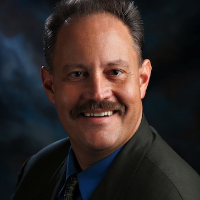
Dr. Robert Hanser, LPC
Louisiana · 25 years in practice
Dr. Robert Hanser helps people facing trauma, relationship strain, addiction, mood struggles, and life changes.
License and registration
- LPC, Louisiana
- 3747 · expires June 2026
- LPC, Texas
- 18075 · expires October 2026
- NPI
- 1295020873 · national provider identifier
- Years in practice
- 25
- Languages
- English
Details are as listed on the therapist's public professional profile. You can check the license with the issuing state board, and the NPI with the national registry.
About Robert
Dr. Robert Hanser helps people facing trauma, relationship strain, addiction, mood struggles, and life changes. He writes and talks plainly, and aims to give clear steps that are easy to act on.
Dr. Hanser holds an LPC credential and practices in Louisiana with 25 years of experience. He listens first and then adapts his style to what each person needs.
Sessions can include reflective listening or more directive feedback when a client wants concrete guidance.
Background and approach
He uses methods drawn from client-centered work and cognitive behavioral strategies alongside trauma-focused approaches such as EMDR. People come to him for help with anxiety, depression, grief, anger, and problems tied to substance use or domestic violence. He also supports those dealing with parenting stress, career issues, midlife questions, and feeling stuck while searching for purpose.
Veterans and people affected by disasters are listed among his focus areas. In sessions, he offers specific options and practical tools rather than vague promises. He may combine talking therapy, behavior strategies, and deeper work that addresses subconscious patterns.
The goal is steady progress toward a better day-to-day life. Dr. Hanser stresses a nonjudgmental stance and keeps the client’s welfare central.
If someone wants a straightforward, experienced counselor who adapts to individual needs, his approach is built to fit real-life concerns.
Focus areas and approaches
Everything Robert lists on their public professional profile, in their own terms.
- Addictions
- Relationship issues
- Family conflicts
- Trauma and abuse
- Intimacy-related issues
- Stress, Anxiety
- Grief
- Parenting issues
- Anger management
- Self esteem
- Career difficulties
- Bipolar disorder
- Depression
- Coping with life changes
- Compassion fatigue
- Antisocial personality
- Blended family issues
- Codependency
- Coping with natural or human-caused disaster
- Dependent personality
- Divorce and separation
- Domestic violence
- Drug and alcohol addiction
- Guilt and shame
- Life purpose
- Men's issues
- Midlife crisis
- Veteran and Armed Forces Issues
- Mood disorders
- Personality disorders
- Post-traumatic stress
- Process addiction (porn, exercise, gambling)
- Self-harm
- Sexual assault and abuse
- Social anxiety and phobia
- Workplace issues
Approaches Robert names
- Eye Movement Desensitization and Reprocessing (EMDR)
- Client-Centered Therapy
- Cognitive Behavioral Therapy (CBT)
- Emotionally-Focused Therapy (EFT)
- Existential Therapy
- Hypnotherapy
- Motivational Interviewing
- Psychodynamic Therapy
- Solution-Focused Therapy
- Trauma-Focused Therapy
- Internal Family Systems
Naming an approach is not evidence of training in it. This directory copies what each therapist lists and does not check training records.
Online support
Therapeutic approaches you can use online
Dr. Hanser draws from client-centered therapy to create a respectful, listening-first environment where the person’s concerns guide the work. That approach helps people feel heard and clarify what they want to change.He also uses cognitive behavioral therapy, which focuses on identifying unhelpful thoughts and testing new behaviors to reduce anxiety and depressive symptoms. For trauma-related concerns he includes EMDR as one of the tools to process distressing memories and reduce their hold on daily life.
Choosing the right approach is part of the process and will be decided together. The therapist will review goals, preferences, and how you respond to different methods, then adapt sessions as needed in an ongoing, collaborative way.
Online formats let people fit therapy into busy lives. Video calls support face-to-face interaction, phone sessions use less bandwidth, live chat works for shorter check-ins, and text-based messaging helps keep a steady thread between sessions. These options make it easier to maintain momentum and try different strategies without major scheduling hurdles.
We will earn a commission if you sign up through our link, at no cost to you. It does not change what you pay or the order of the listings.
Questions people ask
What concerns does this therapist address?
The practice focuses on trauma and abuse, addictions, relationship and family issues, mood disorders such as depression and bipolar, anxiety, grief, parenting stress, anger, self-esteem, career struggles, and coping with life changes.
How would you describe the therapeutic style?
Therapy blends client-centered listening with more directive feedback when needed. Techniques include cognitive-behavioral work, emotionally-focused ideas, existential conversations, and trauma processing methods like EMDR.
What is the therapist's background and experience?
The clinician has 25 years of experience working with a wide range of concerns including substance use, family violence, trauma, and issues common to veterans.
Where is the therapist licensed and based?
The therapist holds an LPC credential and is licensed in Louisiana and Texas, and practices from Louisiana.
Which languages are offered for sessions?
Sessions are offered in English and international clients are accepted.
What session formats are available online?
Therapy can be scheduled as video calls, phone sessions, live chat, or text-based messaging depending on the client’s preference.
How is billing handled and what does it cost?
Cost varies with location and therapist availability; sessions use a subscription model that can be canceled at any time.
How do I begin working with this therapist?
Start by selecting the Start Therapy button, completing a short matching questionnaire, and then scheduling sessions according to the therapist's availability.
More therapists in Louisiana
See allMatthew Miller
LPC
Compassionate, practical therapy for life’s challenges
- Stress, Anxiety
- Addictions
- Trauma and abuse

Shannon Mott
LCSW
Practical therapy for stress, trauma, and relationships
- Stress, Anxiety
- Relationship
- Family

Deborah Youngblood
LCSW
Practical, values-aware therapy for adults
- Stress, Anxiety
- Relationship
- Family

Jacqueline Gilcrease
LPC
Compassionate counselor focused on practical change
- Stress, Anxiety
- Relationship
- Trauma and abuse

Is this your profile?
Ask us to correct details or take the page down.
Contact us