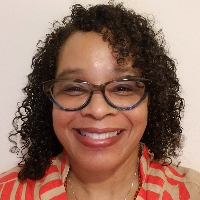
Bridgez English
LCMHC
Practical, trauma-informed counseling for adults
- Stress, Anxiety
- Relationship
- Trauma and abuse
Clinical social work directory
1,112 therapists list women's issues among the things they work with. All offer sessions online, and every profile shows the registering body, the membership number and when it runs to.
On this page you can browse therapists who list women's issues among their specialties, including approaches, credentials and areas of focus. Use the listings below to explore profiles and find therapists whose experience aligns with your needs.
LCMHC
Practical, trauma-informed counseling for adults
LPC
Trauma-aware counselor focused on practical change
LPC
Compassionate counselor using practical, evidence-informed care
LCSW
Practical trauma-informed care with compassion
LPC
Compassionate counselor for lasting change
NCPS
Support for anxiety, trauma, and life changes
MD, LCPC
Compassionate practical therapy for life’s challenges
BACP
Calm support for life’s difficult chapters
BACP
Compassionate relational counselling for change
LPC
Centered, practical therapy for everyday struggles
LPC
Practical, trauma-informed counseling for life challenges
LCMHC
Experienced counselor who uses practical therapies
LMFT
Experienced therapist guiding practical change
BACP
Experienced counsellor for trauma and life change
BACP, NCPS
Therapist combining psychological insight with practical tools
LPC
Compassionate, experienced counseling for adults
LPC
Compassionate counselor for trauma and life change
LPC
Compassionate counselor focused on practical change
LPCC
Healing practical steps for anxiety and trauma
LMHC
Calm, practical support for life and trauma
LCSW
Trauma-informed LCSW focused on practical skills
NY Psychoanalyst
Experienced New York psychoanalyst blending skills and depth
LPC
Compassionate, practical counseling for life changes
LPC
Compassionate, practical therapy for real-life struggles
LCSW
Practical, compassionate help for trauma and life change
LPC
Compassionate, practical support for life’s hard moments
LCSW
Compassionate, practical therapy for life challenges
BACP
Trauma-aware counsellor with multicultural insight
LPCC
Practical therapy for trauma and life stress
LCPC
Experienced counselor focused on trauma and life change
LMHC
Practical skills for anxiety and trauma recovery
LCSW
Practical, respectful therapy for life challenges
BACP
Compassionate counsellor for trauma and life change
BACP
Compassionate, practical counselling for trauma and anxiety
HCPC
Calm, practical care for emotional difficulty
ACA
Experienced ACA counsellor helping with trauma and stress
BACP
Experienced counsellor who uses EMDR and CBT
BACP
Calm, collaborative therapy with EMDR support
LMHC
Compassionate, practical therapy for life challenges
Some links on this page are partner links. We will earn a commission if you sign up through one, at no cost to you. It does not change what you pay or the order of the listings.
When you search for a therapist who focuses on women's issues, you are looking for clinicians who address challenges that frequently affect women, girls and those assigned female at birth across the life span. These concerns can include reproductive health and fertility-related stress, perinatal mood and anxiety, pregnancy loss, menopause transitions, relationship dynamics, gender-based trauma, body image and eating concerns, caregiving strain, workplace discrimination and identity questions. The phrase is broad because it reflects the many social, biological and cultural forces that shape experience. Your situation may involve a single stressor or a combination of factors that interact over time.
How these issues affect you will vary. Some people notice changes in mood or energy, difficulty concentrating, or new patterns in relationships. Others experience physical symptoms that are related to stress, or find that old coping strategies no longer feel useful. Therapy that centers on women's issues often pays attention to the whole context of your life - medical history, family roles, cultural expectations and the ways that societal pressures can influence self-perception. Understanding the breadth of what this specialty can cover helps you identify which aspects of your life you want to address in therapy.
You might consider seeking a therapist who lists women's issues among their specialties if you find that a personal challenge is affecting your day-to-day functioning or sense of wellbeing. You may be feeling overwhelmed by transitions such as pregnancy, postpartum adjustment, loss of fertility, separation or the shift into menopause. You could be coping with the emotional aftermath of harassment, assault or other gender-based mistreatment and want a space to process its ongoing impact. Persistent anxiety related to body image, disordered eating behaviors, or sustained low mood that does not improve with time are also common reasons people seek targeted support.
Other indications include repeated conflict in relationships that leaves you drained, difficulty asserting boundaries, or ongoing guilt related to caregiving roles. You may notice avoidance of activities you once enjoyed, disrupted sleep, or reliance on substances to cope. Even if symptoms feel mild, therapy can be a proactive way to develop new coping skills, reframe unhelpful patterns and explore identity and life values. Trusting your judgment about when things feel unmanageable is an important part of deciding to reach out for professional help.
In early sessions you can generally expect to share your history, the concerns that brought you in, and what you hope to achieve. A therapist who lists women's issues among their specialties will usually ask about your medical background, reproductive history, family relationships and cultural context to create a fuller picture. They may explore how societal expectations and gender roles have affected your choices and feelings. Sessions tend to be collaborative - you and the therapist work together to set goals, identify patterns and try strategies that fit your life.
Therapy may include emotion-focused conversations, skill-building for stress management, work on communication and boundary setting, and ways to process trauma if that is part of your story. Some sessions may involve tracking mood, establishing routines to support sleep and energy, or experimenting with new ways to handle conflict. You should expect a respectful, nonjudgmental tone and options for adjusting the pace and focus as your needs evolve. Over time, many people find that therapy provides clearer decision-making, improved coping, and more compassion for themselves.
There is a range of approaches used by clinicians who specialize in women's issues, and therapists often combine elements from several orientations to suit your situation. You will find therapists who list cognitive-behavioral therapy among their approaches, which emphasizes identifying patterns of thinking and behavior and developing practical strategies to change them. Others may list psychodynamic approaches that explore how past relationships and unconscious patterns are influencing present-day feelings and choices. You may also see therapists who list mindfulness-based or acceptance-oriented approaches that focus on noticing thoughts and bodily sensations with less reactivity.
For concerns related to trauma, you may encounter therapists who list EMDR among their approaches; this indicates that EMDR is one of the modalities they include in their practice, not a guarantee of specific qualifications. Some clinicians list somatic approaches that attend to how stress shows up in the body, and some list relational or couples work for challenges that play out within partnerships. Internal Family Systems is another approach you may see listed by therapists who work with parts-based models of the self. When reviewing profiles, look for how a therapist describes tailoring methods to individual needs and for language about sensitivity to gendered experiences.
Online therapy can be a practical option when you need access to specialized care for women's issues and local options are limited. If you choose remote sessions, you will typically meet with a therapist via video or phone in scheduled time blocks that mirror in-person visits. Online work allows you to engage from your home or another comfortable environment, which can be helpful during pregnancy, postpartum recovery, or when mobility is limited. Therapists who work online often describe how they adapt techniques - for example, guiding breathing or grounding exercises through video, or using worksheets and digital tools to track mood between sessions.
There are practical considerations to keep in mind. You will want to choose a quiet, personal place for sessions and ensure a device with adequate audio and video. Expect conversations about safety planning if trauma or self-harm is part of your history, and discuss any concerns about medical or medication needs with your healthcare providers. Online therapy can make it easier to access clinicians who list specific experience with women's health, cultural competence or particular therapeutic approaches, and it can help you maintain continuity of care through life transitions. When you try online sessions, give yourself a few meetings to assess fit and to get comfortable with the format.
Start by clarifying what you want to address and what matters most in a therapeutic relationship. Think about whether you prefer someone who centers reproductive and hormonal health, focuses on trauma-informed care, or specializes in relationship or body-image work. Pay attention to the languages a therapist lists, their stated areas of focus and the approaches they describe. Comparing these elements gives you a sense of whether a therapist's background aligns with your goals. Remember that a therapist listing EMDR among their approaches is indicating one method they use, and you can ask about how they integrate different techniques into care.
Consider practical fit as well - think about session length, communication style and how they describe working with clients from your cultural or identity background. Reading profile descriptions can reveal whether a therapist emphasizes collaboration, skills training or reflective exploration. It is reasonable to prepare questions about their experience with issues similar to yours and about how they measure progress. Trust your impressions about how a therapist communicates and whether you feel heard when you reach out. Finding the right match can take time, but choosing someone whose focus, approach and language resonate with you increases the chance that therapy will feel useful.