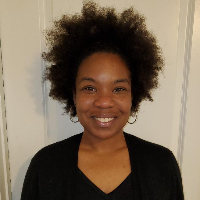
Asyia Hall
LCSW
Compassionate, practical care for anxiety and trauma
- Stress, Anxiety
- Trauma and abuse
- Grief
Clinical social work directory
274 therapists list gender dysphoria among the things they work with. All offer sessions online, and every profile shows the registering body, the membership number and when it runs to.
This directory page highlights therapists who list gender dysphoria as a focus area and who describe a range of therapeutic approaches. Browse the listings below to review specialties, credentials, languages, and approaches that may match your needs.
LCSW
Compassionate, practical care for anxiety and trauma
LPC
Trauma-aware counselor focused on practical change
LMFT, LCMFT
Helping people break painful relationship patterns
BACP
Compassionate relational counselling for change
AASW
Practical, culturally aware mental health support
LPC
Centered, practical therapy for everyday struggles
LPC
Compassionate, experienced counseling for adults
LPC
Compassionate counselor for trauma and life change
NY Psychoanalyst
Experienced New York psychoanalyst blending skills and depth
LCSW
Compassionate, practical therapy for life challenges
LCPC
Experienced counselor focused on trauma and life change
HCPC
Calm, practical care for emotional difficulty
ACA
Experienced ACA counsellor helping with trauma and stress
LCSW
Experienced LCSW focused on trauma and relationships
NCPS
Compassionate practical therapy for stress and trauma
BACP
Gentle, mindful support for difficult moments
LMHC
Therapist focused on healing and practical change
NCPS
Practical online therapy for life’s big challenges
LCSW
Compassionate LCSW focused on trauma recovery
BACP
Experienced UK counsellor focused on practical change
LCPC
Compassionate guidance for changing self-talk
BACP
Experienced integrative therapist with health background
LCSW
Compassionate clinician focused on practical growth
NCPS
Practical, integrative counselling for everyday challenges
LCSW
Compassionate, practical therapy for life challenges
LCSW
Practical therapy for stress, trauma, and relationships
LMFT
Practical, collaborative therapy for adult concerns
BACP
Compassionate relational counsellor for trauma recovery
BACP
Compassionate EMDR-informed counsellor
LPC
Compassionate counselor focused on trauma recovery
BACP
Compassionate trauma-informed counselling
LCSW
Compassionate, practical therapy for life strain
LMFT
Compassionate relationship-focused therapist
LCSW
Experienced LCSW focused on trauma and relationships
LPC
Experienced counselor using EMDR and skills-based care
Some links on this page are partner links. We will earn a commission if you sign up through one, at no cost to you. It does not change what you pay or the order of the listings.
Gender dysphoria refers to the distress or discomfort that can arise when a person’s gender identity does not align with the sex they were assigned at birth. For some people this distress is intermittent and manageable. For others it can affect daily functioning, relationships, work, and overall wellbeing. You may experience intense feelings around your body, social roles, or expectations that create emotional strain.
Beyond the internal experience, gender dysphoria often affects how you navigate social settings and personal relationships. You may feel isolated, misunderstood, or anxious about how others perceive you. These social pressures can compound internal distress and lead to depression, anxiety, or avoidance of social situations. Therapy can provide a place to explore identity, find coping strategies, and develop communication skills for navigating social and familial interactions.
If you find that thoughts about your gender identity consistently interfere with sleep, concentration, or your ability to engage in everyday tasks, therapy can be a helpful step. You might notice persistent sadness, hopelessness, or worry tied to your gender experience. You may also have difficulty with body-related feelings, experience social withdrawal, or struggle with decisions about transition-related steps. Therapy can help you sort through these feelings at your own pace.
Therapy may be beneficial if you are having repeated conflicts with family or friends about your gender, if you fear losing support, or if your work or schooling is impacted by identity-related stress. You do not need to be in crisis to seek help; many people pursue therapy to gain clarity about identity, to plan for steps such as social changes or medical consultations, or to build resilience and coping skills. Seeking support is a practical way to attend to your mental and emotional health while you make decisions.
Early sessions typically focus on building rapport and establishing what you hope to achieve. A therapist will likely ask about your personal history, how you experience your gender, and which areas of life are most affected. You and the therapist can set goals together, whether those goals involve reducing distress, managing anxiety, exploring identity, preparing for social or medical steps, or strengthening relationships.
As therapy continues, you can expect a combination of reflection, skill-building, and practical planning. Sessions often include exploring feelings about the body, gender presentation, and interpersonal dynamics. You may work on emotion regulation, communication strategies, or ways to manage minority stress and stigma. Therapy can also be a place to process grief, loss, or past trauma that intersects with gender concerns. Progress is typically gradual and personalized to your needs.
Clinicians describe many different approaches in their profiles. Some therapists emphasize talk-based, exploratory work that helps you clarify identity and meaning. Others draw on skills-based methods to reduce anxiety and depressive symptoms that may accompany gender-related distress. You may find therapists who list EMDR among their approaches, as well as those who describe cognitive, narrative, family systems, or trauma-informed methods. The specific approach influences how sessions are structured, but the central aim is to support your wellbeing and decision-making.
Many therapists combine strategies tailored to your goals. For example, you might work on grounding and anxiety management during the same therapy process where you also explore identity, boundaries, and relationship communication. If you are considering medical steps, therapy can help you prepare emotionally and navigate conversations with providers and loved ones. Because approaches vary, reading therapist profiles for stated specialties, focus areas, and languages can help you identify clinicians whose style resonates with you.
Online therapy allows you to connect with a clinician by video or phone from a location that is comfortable for you. Sessions generally follow the same structure as in-person work, with an emphasis on information-sharing boundaries, session goals, and collaborative planning. Online formats can make it easier to access therapists who specialize in gender-related work outside your immediate area and to find clinicians who list particular approaches or languages. If you prefer in-person support, many therapists indicate whether they provide face-to-face sessions in their profile descriptions.
When searching, focus on several practical factors that matter to you. Look at the therapist’s stated specialties and the populations they describe, such as working with adults, adolescents, or families. Pay attention to the approaches they list and whether those align with the kind of work you want - for instance, reflection-oriented exploration versus skills-based strategies. Check for language options or cultural experience that match your background and consider whether the therapist mentions experience with medical or social transition issues if those are relevant to your goals.
It can help to think ahead about what you want from therapy so you can evaluate profiles effectively. You might ask yourself whether you want support focused on emotional processing, practical decision-making, or both. Consider whether you prefer a therapist who emphasizes trauma-informed care or one who highlights family and relationship work. Many people find it useful to read multiple profiles and to reflect on which therapist descriptions feel most understanding and respectful of their identity. Profiles that mention collaboration with medical providers or experience helping people navigate social changes may be particularly useful if you are planning those steps.
Therapy for gender dysphoria is a personalized process. You can expect to take time to find a clinician whose approach and communication style align with your needs. Trust and mutual understanding are built over several sessions, and the right match is one that allows you to explore identity, manage distress, and make informed choices. Use the directory to narrow potential matches by focus area, approaches listed, languages, and credentials, and then reach out to the therapists whose profiles resonate with your goals.