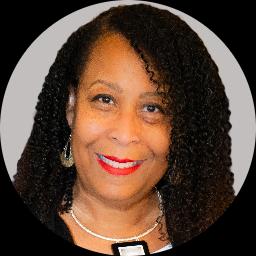
Wendi Makus
LPC
Trauma-aware counselor focused on practical change
- Stress, Anxiety
- Relationship
- Trauma and abuse
Clinical social work directory
259 therapists list fertility issues among the things they work with. All offer sessions online, and every profile shows the registering body, the membership number and when it runs to.
This page lists therapists who focus on fertility issues, reproductive loss and the emotional challenges that can arise during family building. Browse the profiles below to review approaches, languages and areas of focus to find a therapist who may fit your needs.
LPC
Trauma-aware counselor focused on practical change
LMFT, LCMFT
Helping people break painful relationship patterns
BACP
Calm support for life’s difficult chapters
BACP
Compassionate relational counselling for change
AASW
Practical, culturally aware mental health support
LCMHC
Experienced counselor who uses practical therapies
LMFT
Experienced therapist guiding practical change
BACP
Experienced counsellor for trauma and life change
BACP, NCPS
Therapist combining psychological insight with practical tools
NY Psychoanalyst
Experienced New York psychoanalyst blending skills and depth
LPC
Compassionate, practical therapy for real-life struggles
LCSW
Practical, compassionate help for trauma and life change
LCSW
Compassionate, practical therapy for life challenges
LCPC
Experienced counselor focused on trauma and life change
BACP
Compassionate, practical counselling for trauma and anxiety
HCPC
Calm, practical care for emotional difficulty
ACA
Experienced ACA counsellor helping with trauma and stress
LCSW
Experienced LCSW focused on trauma and relationships
BACP
Practical, compassionate support for life’s challenges
NCPS
Compassionate practical therapy for stress and trauma
LCPC
Compassionate, trauma-informed counselor
BACP
Gentle, mindful support for difficult moments
LMHC
Therapist focused on healing and practical change
LMHC
Calm, practical support for trauma and anxiety
NCPS
Practical online therapy for life’s big challenges
LCSW
Compassionate LCSW focused on trauma recovery
BACP
Calm relational and trauma-informed counselling
BACP
Experienced integrative therapist with health background
NCPS
Practical, integrative counselling for everyday challenges
BACP
Practical, trauma-aware counselling with experience
LCSW
Practical therapy for stress, trauma, and relationships
BACP
Calm, practical support for trauma and relationships
BACP
Compassionate EMDR-informed counsellor
BACP
Calm, practical therapy for trauma and relationships
BACP
Calm trauma-informed counselling and practical support
LPC
Compassionate counselor focused on practical healing
BACP
Calm, practical trauma-informed counselling
LCSW
Compassionate, practical therapy for life strain
LPCC, LMHC
Practical trauma-informed counseling with EMDR
LMFT
Practical, trauma-informed therapy for life challenges
Some links on this page are partner links. We will earn a commission if you sign up through one, at no cost to you. It does not change what you pay or the order of the listings.
Fertility issues cover a wide range of experiences, from difficulty conceiving to recurrent pregnancy loss, and from the stress of fertility treatments to decision-making around assisted reproduction or adoption. These experiences often bring a mixture of grief, uncertainty, isolation and pressure. You may find that what started as an individual concern becomes entwined with relationships, work, and day-to-day routines. Emotions may ebb and flow with each cycle, appointment or medical update, and the process can challenge your sense of control and identity.
It is common for people navigating fertility challenges to experience changes in mood, self-esteem and social engagement. The emotional impact is not limited to those who are undergoing medical interventions; partners, family members and chosen supports can also be affected. Fertility journeys are shaped by personal history, cultural expectations and financial considerations, so the ways you react and cope will be unique to your situation. Understanding the emotional dimensions of fertility can help you decide whether therapeutic support might be useful at a particular stage.
You might consider therapy if you notice persistent feelings of sadness, anxiety or anger that interfere with daily functioning or relationships. You may also seek support if you find it difficult to sleep, concentrate at work or maintain a desired level of social life because of worries about fertility. Some people reach out when they experience repeated grief after loss, find decisions about treatment options overwhelming, or feel stuck in cycles of guilt and self-blame. Others come to therapy to manage the strain that fertility challenges place on a partnership, to improve communication, or to make decisions together with greater clarity.
Therapy can also be a place to explore how past experiences shape current reactions. If medical appointments bring up trauma from prior events, if reproductive events intersect with earlier losses, or if you are navigating complex family dynamics, a therapist can help you process these layers. Even when immediate distress is not severe, therapy can be a proactive space to strengthen coping skills, build emotional resilience and prepare for the ups and downs that often accompany fertility treatment pathways.
When you begin working with a therapist about fertility concerns, initial sessions typically focus on understanding your story, priorities and immediate stressors. You can expect a conversation about your emotional history, current supports and practical concerns related to treatment or family planning. Therapists will often ask about how fertility challenges are affecting daily life, relationships and your sense of future. This intake process helps identify short-term goals - for example, reducing panic during medical appointments - and longer-term objectives such as grieving a loss or navigating life choices.
As therapy continues, sessions may include emotional processing, skill-building for coping with uncertainty, and work on communication patterns with partners or family. You may explore strategies for managing anticipatory anxiety around tests and procedures, techniques to improve sleep and concentration, or ways to reduce the burden of decision fatigue. Some people use therapy as a consistent space to reflect after each milestone or setback, creating a rhythm that helps them stay grounded throughout a difficult process. Throughout, the therapeutic relationship is a resource for validation, perspective and practical problem-solving.
Therapists use a range of approaches to support people facing fertility challenges. Cognitive-behavioral techniques are often applied to help you identify and shift unhelpful thought patterns that fuel anxiety or guilt. Emotion-focused work may help you access and process grief or loss, allowing strong feelings to be named and integrated rather than avoided. Mindfulness and stress-management practices can reduce physiological arousal and improve your ability to tolerate uncertainty, which is a frequent theme in fertility-related care.
You will also find therapists who list EMDR among their approaches, and those who indicate interest in psychodynamic, narrative or somatic methods. Each approach offers different tools - some focus on changing thought patterns, others on processing memories or bodily responses. You may prefer a therapist whose stated approaches align with how you typically deal with stress and emotion, or you may want someone who offers a blend of techniques that can be tailored over time. It is reasonable to look at the approaches therapists describe and consider which ones resonate with your needs and preferences.
Online therapy has become a common option for people seeking support with fertility concerns. Sessions take place through video, phone or text-based messaging platforms, enabling you to connect from home, a clinic waiting area or another setting that feels comfortable. The format can make it easier to fit therapy into schedules that include medical appointments, travel, or work commitments. You can also access therapists who list specific expertise or languages that are not available locally.
In online therapy, you should expect most of the same therapeutic processes that occur in person - assessment, goal-setting, emotional processing and skills practice - adapted to a remote format. Some people find it easier to talk about sensitive topics from a familiar environment, while others prefer the in-person intimacy of a therapy room. Consider what helps you feel present and supported when deciding whether remote sessions are right for you. If you choose online care, plan for a quiet, comfortable place to join sessions, a reliable internet connection and a way to manage privacy in your living environment.
When selecting a therapist, focus on the alignment between the therapist's described focus areas and your needs. Look for clinicians who list fertility, reproductive loss or perinatal mental health among their specialties if those terms match your situation. Review the approaches they describe, noting whether they mention working with grief, trauma-related responses, anxiety or couple communication. Pay attention to credentials and professional licensure, languages spoken and any statements about experience with diverse family-building paths. This information helps you identify professionals whose background and orientation feel relevant to your story.
Consider practical factors beyond the initial profile. Think about whether you prefer a therapist who works primarily with individuals, couples or families, and whether you want someone who mentions experience with medical systems or treatment-related stress. Reading therapist biographies can give a sense of their therapeutic style - whether they emphasize active skills teaching, reflective processing or practical problem-solving. Finally, give yourself permission to change therapists if the relationship does not feel like a fit; establishing trust and rapport takes time, but the right match can make therapy more effective for navigating the emotional terrain of fertility challenges.
Seeking help for fertility-related distress is a personal decision and can be a meaningful step toward feeling more supported and resilient. Therapy can provide tools for managing stress, a space to grieve losses, and guidance for communicating through complex decisions. As you explore listings on this page, use the profiles to compare focus areas, approaches, languages and experience so you can find a clinician whose style and interests align with your needs. Taking the first step to connect with a therapist may help you feel less alone on a difficult journey.