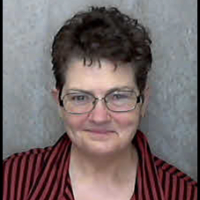
Asyia Hall
LCSW
Compassionate, practical care for anxiety and trauma
- Stress, Anxiety
- Trauma and abuse
- Grief
Clinical social work directory
507 therapists list aging and geriatric issues among the things they work with. All offer sessions online, and every profile shows the registering body, the membership number and when it runs to.
Explore therapists who focus on aging and geriatric issues, including support for memory changes, caregiving strain, bereavement and life transitions. Browse the listings below to review profiles, approaches, credentials and languages to help you find a good match.
LCSW
Compassionate, practical care for anxiety and trauma
LCSW
Practical trauma-informed care with compassion
LMFT, LCMFT
Helping people break painful relationship patterns
BACP
Calm support for life’s difficult chapters
BACP
Compassionate relational counselling for change
AASW
Practical, culturally aware mental health support
LPC
Practical, trauma-informed counseling for life challenges
LCMHC
Experienced counselor who uses practical therapies
BACP
Experienced counsellor for trauma and life change
LPC
Compassionate counselor for trauma and life change
NY Psychoanalyst
Experienced New York psychoanalyst blending skills and depth
BACP
Practical, nature-informed counselling and support
LPC
Compassionate, practical counseling for life changes
LPC
Compassionate, practical therapy for real-life struggles
LPC
Compassionate, practical support for life’s hard moments
LCSW
Compassionate, practical therapy for life challenges
LCSW
Practical, person-focused therapy for stress and trauma
LPC, LPCC
Calm, practical help for life’s hardest moments
LCSW
Therapist focused on trauma and life change
LCPC
Experienced counselor focused on trauma and life change
LCSW
Practical, respectful therapy for life challenges
HCPC
Calm, practical care for emotional difficulty
ACA
Experienced ACA counsellor helping with trauma and stress
LCSW
Experienced LCSW focused on trauma and relationships
LCSW
Experienced LCSW helping people heal and cope
LMHC
Warm, practical support for trauma and life change
NCPS
Compassionate practical therapy for stress and trauma
LISW
Compassionate, practical therapy for life changes
LPC
Practical, experienced counselor for trauma and addiction
BACP
Depth-focused counsellor for steady change
BACP
Gentle, mindful support for difficult moments
LMHC
Therapist focused on healing and practical change
NCPS
Practical online therapy for life’s big challenges
LCSW
Compassionate LCSW focused on trauma recovery
LCSW
Compassionate, experienced trauma and addiction clinician
MD, LCSW-C, LCSW
Seasoned clinician blending medical insight and social work
LCSW, CSW
Calm, experienced social worker focused on practical change
LPC
Compassionate counselor with practical therapeutic tools
Some links on this page are partner links. We will earn a commission if you sign up through one, at no cost to you. It does not change what you pay or the order of the listings.
Aging and geriatric issues cover a wide range of emotional, social and cognitive changes that can accompany later life. You may be navigating normal life transitions such as retirement, shifts in social roles, loss of friends or partners, relocating or changes in daily routine. You may also be dealing with health-related changes that influence mood, energy and daily functioning. For many people, these shifts bring stress, uncertainty and questions about identity. Others find themselves managing complex family dynamics, coordinating care for a relative, or adjusting to memory changes that are worrying but not necessarily diagnostic. Therapy offers a place to talk through these experiences and to develop practical strategies for coping and planning.
Because aging affects each person differently, therapy for older adults is often person-centered and flexible. You might focus on restoring a sense of purpose, improving communication with family, managing anxiety about health, or exploring grief and loss. For caregivers, the challenges can be both emotional and logistical - balancing responsibility, setting boundaries, and preventing burnout. Therapists who list relevant approaches among their offerings can support these different goals through talk-based work, problem-solving, and coordination with other professionals involved in your care.
It is common to wonder whether feelings are an expected part of aging or a sign that help would be useful. You might benefit from therapy if you notice persistent sadness, withdrawal from activities you once enjoyed, overwhelming worry about health or future care, or difficulty managing day-to-day tasks because of mood or cognitive concerns. If a family member is showing changes in memory, judgment or behavior that interfere with routine life, professional support can help assess coping strategies and communication methods. Caregivers often reach a point where stress, resentment or exhaustion affect their relationships and health; talking with a therapist can help you develop realistic boundaries, grief processing and ways to delegate or ask for help.
Other signs include trouble sleeping, increased substance use, frequent arguments with loved ones, or recurring thoughts about mortality that create distress. You do not need to wait for a crisis to seek support. Early work with a therapist can help you plan for transitions, strengthen social connections and learn techniques to manage mood and anxiety as circumstances change.
When you begin therapy for aging-related issues, expect an initial conversation about what brought you in and what you hope to achieve. A therapist will typically ask about your medical and social history, current stressors, support network and any medications or providers you are working with. This helps create a practical plan that addresses your goals, whether those are emotional coping, planning for future care, adjusting to loss, or improving relationships with family and caregivers. Sessions often blend emotional processing with concrete problem-solving to help you navigate daily challenges.
Therapy may explore life review and meaning-making, helping you reflect on experiences, values and legacy while addressing unresolved feelings. For caregivers, sessions commonly focus on self-care, boundary setting and skills for managing caregiver guilt or role changes. If memory or cognitive changes are a concern, a therapist can help you develop compensatory strategies - such as routines and environmental adjustments - and guide conversations with medical providers about assessment and next steps. Throughout this work, your therapist should respect your pace and preferences, and collaborate with you to set realistic objectives and measure progress in ways that matter to you.
There is no single therapy model for later-life concerns; many approaches are adapted to the unique needs of older adults and caregivers. Cognitive behavioral approaches are commonly used to address patterns of unhelpful thinking that contribute to anxiety or depression, with practical exercises you can try between sessions. Psychodynamic or life-review work can be helpful if you want to explore long-standing themes, relationships and the personal meaning of life transitions. Supportive therapy offers a practical, empathetic focus on problem-solving and coping, which many people appreciate during periods of change.
Approaches that center on meaning, such as acceptance and commitment oriented work, can help you clarify values and make decisions that align with what matters most. Therapists who list EMDR among their approaches sometimes use that modality when addressing specific traumatic memories that continue to affect daily life, particularly when trauma intersects with aging or caregiving histories. Family-focused methods are often used when role changes create conflict, helping you and loved ones improve communication and navigate shared decisions. Reminiscence-focused work and narrative techniques can support identity and memory by drawing on life stories as sources of resilience and connection.
Online therapy makes it possible to meet with a therapist from home, a community center or another setting that feels comfortable for you. Sessions commonly use video, phone or messaging, and can be scheduled to fit caregiving responsibilities or mobility constraints. Many people find online sessions reduce the need to travel and allow family members to join from different locations for important conversations. When memory or hearing changes are factors, you can choose formats that work best for you - for example, shorter, more frequent sessions, or sessions with captions enabled on video platforms.
Because online formats vary, you can expect to discuss practicalities at the start - how to connect, how to handle missed sessions, and whether family or caregivers will be involved in some meetings. Good therapeutic practice includes planning for safety and crisis support, and discussing how the therapist will coordinate with your medical providers if needed. Online therapy can be an effective option when you prioritize access and flexibility, while still requiring the same attention to fit, rapport and approach as in-person work.
Choosing a therapist for aging-related work is a personal process. Start by clarifying what matters most to you - are you seeking help with grief, caregiver stress, memory-related coping, life transitions or family communication? Look for therapists who list relevant approaches and who note experience with older adults or caregiving issues in their profiles. Pay attention to practical details such as languages spoken and professional credentials so you can find someone whose background matches your needs.
When you review profiles, consider how a therapist describes their approach and whether that aligns with your preferences for structured skill-building, emotional exploration or family-focused sessions. It is reasonable to reach out with an initial question about how they work with older clients or caregivers, and to ask how they coordinate with other professionals you may be seeing. Trust your sense of connection - a good fit is often as much about feeling understood and respected as it is about specific methods. If you are supporting a loved one, involve them when possible in choosing a therapist so their voice is part of the process.
Living well in later life often means combining practical planning with attention to emotional health. With thoughtful choices about therapy format and approach, you can find support that helps you manage change, maintain meaningful relationships and attend to the concerns that matter most to you.