
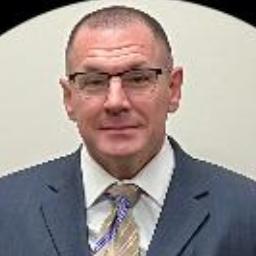
Steven Forsyth, LPC
Missouri · 25 years in practice
Steven Forsyth is a Licensed Professional Counselor (LPC) with 25 years of experience.
License and registration
- LPC, Missouri
- 2019046401 · expires June 2027
- NPI
- 1245986942 · national provider identifier
- Years in practice
- 25
- Languages
- English
Details are as listed on the therapist's public professional profile. You can check the license with the issuing state board, and the NPI with the national registry.
About Steven
Steven Forsyth is a Licensed Professional Counselor (LPC) with 25 years of experience. He helps people who are struggling with stress, anxiety, addiction, trauma, relationship and intimacy issues, depression, grief, and related concerns. He speaks plainly and focuses on practical steps people can try between sessions.
He began his counseling work after entering recovery in 1982 and brings long-term perspective to addiction and relapse prevention. His background includes work with behavior change models, motivational interviewing, and relapse prevention strategies.
Background and approach
He uses tools that help people identify unhelpful patterns and try different responses in everyday life. Sessions include gentle exploration of difficult memories alongside techniques to reduce overwhelming reactions. He uses EMDR (Eye Movement Desensitization and Reprocessing) as one approach to address trauma and distressing memories.
He also draws on cognitive behavioral ideas and acceptance-based skills to help with mood, anxiety, and unwanted behaviors. His style is direct but warm. He treats each person as a whole and looks at how life events, relationships, and habits interact.
He offers concrete practice and clear explanations so people know what to try between sessions. Steven works with a wide range of concerns such as ADHD, bipolar mood issues, eating and sleeping problems, caregiver stress, chronic illness, and forgiveness work. He also supports people facing life transitions, bereavement, and communication or commitment struggles.
He provides sessions in English and offers phone, video, chat, and text formats for remote care.
Focus areas and approaches
Everything Steven lists on their public professional profile, in their own terms.
- Stress, Anxiety
- Addictions
- Relationship issues
- Family conflicts
- Depression
- LGBT
- Trauma and abuse
- Grief
- Intimacy-related issues
- Eating disorders
- Sleeping disorders
- Parenting issues
- Anger management
- Self esteem
- Bipolar disorder
- Coping with life changes
- Compassion fatigue
- ADHD
- Abandonment
- Aging and geriatric issues
- Body image
- Cancer
- Caregiver issues and stress
- Chronic pain, illness, and disability
- Codependency
- Commitment issues
- Communication problems
- Coping with natural or human-caused disaster
- Divorce and separation
- Drug and alcohol addiction
- Family of origin issues
- Family problems
- Forgiveness
- Guilt and shame
- Hearing impaired
- HIV / AIDS
- Infidelity
- Isolation / loneliness
- Jealousy
- Life purpose
- Men's issues
- Midlife crisis
- Mood disorders
- Multicultural concerns
- Obsessions, compulsions, and OCD
- Post-traumatic stress
- Prejudice and discrimination
- Process addiction (porn, exercise, gambling)
- Seasonal Affective Disorder (SAD)
- Self-harm
- Self-love
- Sexual dysfunction
- Sexuality
- Smoking / vaping cessation
- Social anxiety and phobia
Approaches Steven names
- Eye Movement Desensitization and Reprocessing (EMDR)
- Acceptance and Commitment Therapy (ACT)
- Client-Centered Therapy
- Cognitive Behavioral Therapy (CBT)
- Mindfulness Therapy
- Motivational Interviewing
- Narrative Therapy
- Solution-Focused Therapy
- Trauma-Focused Therapy
Naming an approach is not evidence of training in it. This directory copies what each therapist lists and does not check training records.
Online support
How EMDR, CBT, and Acceptance Work Online
Steven offers several practical approaches adapted for remote sessions. Cognitive Behavioral Therapy (CBT) focuses on spotting unhelpful thoughts and testing new behaviors to reduce anxiety or depression. It usually involves simple exercises and short experiments that clients can do between sessions. Eye Movement Desensitization and Reprocessing (EMDR) works with distressing memories by pairing focused attention with guided bilateral stimulation to reduce emotional intensity; it can be done in telehealth sessions with clear step-by-step structure. Acceptance and Commitment Therapy (ACT) teaches mindfulness and values-based actions so people can live with difficult feelings while moving toward meaningful goals.Finding the right approach is a collaborative process. The therapist will discuss goals, preferences, and what has or hasn’t worked before. Together they choose methods to try, review how those methods feel in practice, and adjust the plan over time.
Online therapy offers flexibility for different schedules and needs. Video calls let people see nonverbal signals and work through material closely. Phone sessions are useful when video isn’t practical or bandwidth is limited. Live chat and text-based messaging allow brief check-ins, coaching between sessions, or a written record of steps and reflections. These options make it easier to fit therapy into busy days and to continue work consistently.
We will earn a commission if you sign up through our link, at no cost to you. It does not change what you pay or the order of the listings.
Questions people ask
What kinds of problems does this therapist help with?
He works with stress, anxiety, addictions, depression, trauma and abuse, grief, relationship and intimacy concerns, and many related issues such as ADHD, bipolar, and sleep or eating problems.
What is his general therapy style?
He uses a straightforward, practical style with clear explanations and homework. Sessions combine talking through issues with skills practice to try between meetings.
What is his professional background?
He has 25 years of experience in counseling and began working in addictions after entering recovery in 1982. His work has included relapse prevention and behavior change models.
What credentials and location apply?
He is a Licensed Professional Counselor (LPC) licensed in Missouri and practices from that state.
Are sessions offered in other languages or internationally?
Sessions are offered in English and he accepts international clients.
Which session formats are available?
He offers video calls, phone sessions, live chat, and text-based messaging to fit different needs and schedules.
How does payment and cost work?
Cost varies with location and therapist availability; sessions are provided through a subscription model that can be canceled at any time.
How do I begin working with him?
Use the Start Therapy button, complete a short matching questionnaire, and schedule sessions according to the therapist's availability.
More therapists in Missouri
See allRichard Roe
LPC
Compassionate counselor using practical, evidence-informed care
- Stress, Anxiety
- Trauma and abuse
- Grief
Betina Bolin
LCSW
Practical, respectful therapy for life challenges
- Stress, Anxiety
- Trauma and abuse
- Self esteem

Anita Cohn
LCSW
Experienced LCSW helping people heal and cope
- Stress, Anxiety
- Relationship
- Trauma and abuse

Is this your profile?
Ask us to correct details or take the page down.
Contact us