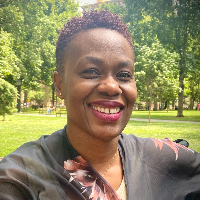
Asyia Hall
LCSW
Compassionate, practical care for anxiety and trauma
- Stress, Anxiety
- Trauma and abuse
- Grief
Clinical social work directory
412 therapists list prejudice and discrimination among the things they work with. All offer sessions online, and every profile shows the registering body, the membership number and when it runs to.
This page lists therapists who focus on prejudice and discrimination concerns, with profiles that note focus areas, approaches and languages. Explore the listings below to find professionals whose backgrounds and approaches match your needs.
Use the filters to narrow by approach, credentials, languages and areas of focus, and browse profiles to learn more about each therapist’s experience and style.
LCSW
Compassionate, practical care for anxiety and trauma
AASW
Practical, compassionate counselling for everyday challenges
LMFT, LCMFT
Helping people break painful relationship patterns
BACP
Calm support for life’s difficult chapters
BACP
Compassionate relational counselling for change
AASW
Practical, culturally aware mental health support
BACP
Experienced counsellor for trauma and life change
LPC
Compassionate, experienced counseling for adults
LPC
Compassionate counselor focused on practical change
NY Psychoanalyst
Experienced New York psychoanalyst blending skills and depth
BACP
Practical, nature-informed counselling and support
LPC
Compassionate, practical counseling for life changes
LPC
Compassionate, practical therapy for real-life struggles
LCSW
Practical, compassionate help for trauma and life change
LCSW
Compassionate, practical therapy for life challenges
LCPC
Experienced counselor focused on trauma and life change
BACP
Compassionate, practical counselling for trauma and anxiety
HCPC
Calm, practical care for emotional difficulty
ACA
Experienced ACA counsellor helping with trauma and stress
BACP
Experienced counsellor who uses EMDR and CBT
LMHC
Compassionate, practical therapy for life challenges
LPC
Calm, practical support for life’s hard moments
LCSW
Experienced LCSW focused on trauma and relationships
LCSW
Experienced LCSW helping people heal and cope
NCPS
Compassionate practical therapy for stress and trauma
LPC
Practical, experienced counselor for trauma and addiction
BACP
Depth-focused counsellor for steady change
NCPS
Practical, person-focused counselling for change
LPC
Trauma-informed counselor focused on connection and coping
BACP
Gentle, mindful support for difficult moments
LMFT
Practical, collaborative therapy for trauma and relationships
LMHC
Therapist focused on healing and practical change
LPC
Compassionate counselor focused on practical tools
NCPS
Practical online therapy for life’s big challenges
LCSW
Compassionate, experienced trauma and addiction clinician
LCSW, CSW
Calm, experienced social worker focused on practical change
LCMHC
Compassionate care for trauma and life stress
LPC
Compassionate counselor with practical therapeutic tools
LPC
Practical support for trauma, stress, and relationships
Some links on this page are partner links. We will earn a commission if you sign up through one, at no cost to you. It does not change what you pay or the order of the listings.
Prejudice and discrimination refer to biased attitudes and actions directed at people because of their race, ethnicity, gender, sexual orientation, religion, disability, immigration status or other aspects of identity. These experiences range from overt acts of exclusion and violence to more subtle microaggressions and institutional barriers. Over time, repeated exposure to biased treatment can shape how you see yourself and the world, affecting your emotional well-being, relationships and sense of belonging.
You may find that experiences of prejudice change the ways you relate to others, influence where you feel safe, and affect opportunities for work, education or services. They can also prompt complex emotional responses - anger, grief, shame, vigilance or alienation - that are understandable reactions to real social harms. Therapy focused on these issues aims to acknowledge the social context of your distress and to help you develop strategies for coping, healing and asserting your rights in everyday life.
If you are wondering whether therapy could help, pay attention to patterns that make daily life harder. You might be feeling persistently drained after interactions that involve bias, replaying moments of exclusion, or avoiding settings where you once had access or ease. You may notice increased anxiety in public spaces, changes in sleep or appetite, or difficulty trusting people after experiences of rejection or hostility. Relationships with family, friends or coworkers can also become strained as you process what has happened and seek validation for your perspective.
Therapy can be helpful whether you are coping with a recent incident that still feels raw or with long-term patterns of marginalization that have shaped your identity and opportunities. People also seek support when they want tools to respond to discrimination at work or school, to advocate for themselves or others, to heal from trauma related to hate or violence, or to rebuild a sense of agency after sustained systemic barriers. If these concerns resonate, a therapist with experience addressing social and cultural stressors can help you explore goals for healing and action.
When you begin therapy for prejudice and discrimination, the initial conversations typically explore your experiences and priorities. A therapist will invite you to share what has happened and how it has affected you, including emotional, relational and practical impacts. These early sessions are often about creating a working plan - identifying what feels most pressing, what you hope to change, and what resources you already have. You and the therapist will discuss what a supportive working relationship looks like for you, including communication preferences and possible boundaries.
In subsequent sessions, you may spend time processing specific events, examining how repeated exposure to bias has shaped thoughts and behaviors, and building skills to manage intense emotions. Therapy often mixes emotional recovery with practical strategies - learning ways to set boundaries, to advocate at work or school, to respond to microaggressions, and to care for your overall well-being. For some people, therapy also includes attention to community and identity - finding sources of affirmation, connecting with cultural networks, and exploring how personal history and broader systems interact. Progress is typically collaborative and paced to your needs, with ongoing review of goals and methods.
There is no one-size-fits-all method for addressing prejudice and discrimination in therapy. You may encounter a range of approaches that therapists list as part of their work, such as cognitive behavioral methods that target patterns of thinking and behavior, trauma-informed strategies that focus on stress responses and safety, narrative approaches that help reframe personal stories, and acceptance-oriented therapies that emphasize values and meaning. Some therapists incorporate psychodynamic perspectives to explore how early experiences interact with current identity concerns, while others work in ways that explicitly consider systemic factors and social justice.
You may also see therapists who list EMDR among their approaches, and others who reference group work or community-oriented practices. Group therapy can be a space to share experiences with others who face similar forms of bias, while individual therapy can provide a personal setting for deeper processing. When reading profiles, look for language about cultural responsiveness, experience with identity-based concerns, and an explicit focus on prejudice and discrimination. That language can help you identify clinicians whose approaches align with your goals and worldview.
Online therapy expands access to clinicians who specialize in prejudice and discrimination, which can be especially important if you live in an area with few local providers who understand identity-based stress. Remote sessions typically use video or phone calls and may include text-based messaging or worksheets sent between sessions. Technology makes it possible to connect with therapists who share language, cultural background or specific experience with the kinds of discrimination you face, which can enhance mutual understanding and relevance.
Before beginning online therapy, it helps to ask about practical matters such as session length, communication methods outside appointments, fees and whether the clinician can work with your insurance or payment method. You should also inquire about how the therapist handles emergencies, and how they approach cross-jurisdictional practice if you and the clinician are in different regions. Many people find that online therapy feels more convenient and allows for continuity of care when relocating, traveling or managing a busy schedule. If you prefer in-person work, you can use online profiles to find nearby options and to learn about clinicians’ approaches ahead of an initial conversation.
Finding the right therapist is both practical and personal. Start by looking for clinicians who explicitly list prejudice, discrimination or identity-based concerns among their focus areas. Pay attention to approach descriptions and to mentions of cultural responsiveness, intersectionality and experience with your specific identity or community. Languages spoken and listed professional credentials can help you assess whether a clinician has the background you want. Reading profile summaries and any sample statements about working with marginalized clients can give you a sense of tone and priorities.
When you contact a therapist, you can ask about the kinds of issues they have worked with and how they typically structure therapy for identity-related stress. It is reasonable to ask about their approach to cultural factors and whether they collaborate with community resources. Consider whether you prefer a clinician who emphasizes practical coping skills, a trauma-focused process, narrative work to reclaim your story, or a blend of methods. Finally, reflect on practical factors such as session format, fees and language. Trust your sense of whether the clinician’s stated approach and background feel like a respectful fit for your needs, and remember that it is normal to try a few sessions to see how the relationship unfolds.
Therapy can be a central part of coping with prejudice and discrimination, but many people also find value in community connections, advocacy, and peer support. You may want to combine individual therapy with group programs, community workshops, or involvement in organizations that work on systemic change. Building a network of supportive contacts and resources can reinforce progress made in therapy and create additional opportunities for healing and empowerment. Whatever path you choose, prioritizing your well-being while engaging with the realities of social bias is a meaningful step toward resilience and greater agency in your life.