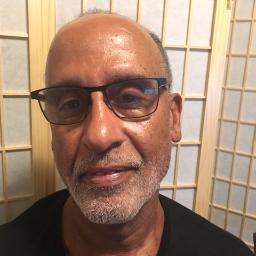
Kenneth Denny, LCSW, CSW
Georgia · 35 years in practice
Kenneth Denny is a Licensed Clinical Social Worker (LCSW) with 35 years of experience.
License and registration
- LCSW, Georgia
- CSW001654 · expires September 2026
- NPI
- 1720133523 · national provider identifier
- Years in practice
- 35
- Languages
- English
Details are as listed on the therapist's public professional profile. You can check the license with the issuing state board, and the NPI with the national registry.
About Kenneth
Kenneth Denny is a Licensed Clinical Social Worker (LCSW) with 35 years of experience. He offers straightforward, practical therapy for people facing anxiety, depression, trauma, relationship strains, and parenting stress. Sessions aim to be calm, direct, and encouraging so people can take clear steps forward.
Kenneth draws on client-centered methods to focus on each person’s priorities. He combines cognitive behavioral techniques and mindfulness to help people notice unhelpful patterns and try new responses.
Background and approach
He also uses psychodynamic ideas to look at long-standing habits that affect current life. EMDR is part of his approach for addressing traumatic memories and strong emotional reactions. He uses it alongside talk-based methods when it fits the person’s needs and goals.
Therapy is collaborative - goals and pacing are set together. Over three decades he has worked with a wide range of cultural and economic backgrounds and supports people from LGBTQ communities. His work covers concerns such as grief, addictions, anger, self-esteem, bipolar mood issues, and coping with major life changes.
Kenneth helps people build a practical toolkit for daily life. That may include thought-recording, grounding and mindfulness exercises, communication skills, and problem-solving strategies. He encourages step-by-step progress and teaches ways to manage triggers and stressful moments.
People who choose him can expect a mix of short-term problem-focused work and deeper exploration when useful. He emphasizes clear treatment plans, measurable steps, and skills people can use outside sessions.
Focus areas and approaches
Everything Kenneth lists on their public professional profile, in their own terms.
- Stress, Anxiety
- Relationship issues
- Family conflicts
- Parenting issues
- Depression
- Addictions
- LGBT
- Trauma and abuse
- Grief
- Intimacy-related issues
- Anger management
- Self esteem
- Career difficulties
- Bipolar disorder
- Coping with life changes
- ADHD
- Aging and geriatric issues
- Blended family issues
- Communication problems
- Coping with natural or human-caused disaster
- Divorce and separation
- Family of origin issues
- Family problems
- Fatherhood issues
- HIV / AIDS
- Immigration issues
- Life purpose
- Men's issues
- Midlife crisis
- Veteran and Armed Forces Issues
- Mood disorders
- Multicultural concerns
- Post-traumatic stress
- Prejudice and discrimination
- Self-love
- Sexuality
- Workplace issues
Approaches Kenneth names
- Eye Movement Desensitization and Reprocessing (EMDR)
- Client-Centered Therapy
- Cognitive Behavioral Therapy (CBT)
- Mindfulness Therapy
- Psychodynamic Therapy
- Solution-Focused Therapy
Naming an approach is not evidence of training in it. This directory copies what each therapist lists and does not check training records.
Online support
Therapeutic approaches and what they look like online
Client-centered therapy focuses on the person's priorities and values. Sessions emphasize listening, reflection, and working at a comfortable pace to clarify goals and next steps. Cognitive Behavioral Therapy, or CBT, looks at thoughts and behaviors that keep problems going and teaches concrete skills like thought records and behavior experiments to reduce anxiety or depression.EMDR is used to work with upsetting memories and their emotional impact. In session the therapist guides attention while the person processes strong memories, then pairs that with other tools like grounding and mindfulness when needed. These approaches can be used together so people get both skills and deeper processing based on their needs.
Choosing the right approach is a collaborative process. The therapist will talk through options, try methods that fit the issue, and adjust plans based on what helps. Clients help set goals and the pace so work stays focused and manageable.
Online therapy offers flexibility that fits busy lives. Video calls work well for in-depth sessions and visual connection. Phone sessions can be a lighter option when bandwidth is limited or a shorter check-in is needed. Live chat and text-based messaging let people share updates between sessions, send questions, or use brief coaching when schedules are tight. These formats make it easier to fit therapy into work, caregiving, or travel schedules while working with licensed professionals.
We will earn a commission if you sign up through our link, at no cost to you. It does not change what you pay or the order of the listings.
Questions people ask
What concerns does Kenneth help with?
He addresses stress, anxiety, depression, trauma and abuse, relationship and intimacy issues, parenting and family concerns, addictions, grief, anger, self-esteem, career and life transitions, ADHD, bipolar and other mood disorders.
What is his general therapy style?
His approach is engaging, direct, relaxed, and encouraging. He blends client-centered listening with practical techniques so people leave with specific tools to try.
What experience does he bring?
Kenneth has 35 years of clinical experience working with diverse cultural and economic backgrounds and with LGBTQ clients.
Where is he licensed and based?
He is a Licensed Clinical Social Worker (LCSW) practicing in Georgia and also holds the CSW credential.
Which languages are supported?
Sessions are offered in English, and he accepts international clients.
What session formats are offered?
Kenneth provides video calls, phone sessions, live chat, and text-based messaging to fit different needs and schedules.
How are costs handled?
Cost varies with location and therapist availability; sessions use a subscription that can be canceled at any time.
How do I start working with him?
Use the Start Therapy button, complete a short matching questionnaire, and then schedule sessions according to therapist availability.
More therapists in Georgia
See allDr. Natalia Kuzmina
LMFT, LCMFT
Helping people break painful relationship patterns
- Stress, Anxiety
- Relationship
- Family

Janice Withrow
LPC
Practical, trauma-informed counseling for life challenges
- Relationship
- Family
- Trauma and abuse

Gwendolyn Scrutchins
LPC
Compassionate counselor with practical therapeutic tools
- Stress, Anxiety
- Anger
- Self esteem

Zatascha Burton
LPC
Practical, empathetic therapy for life’s hard moments
- Stress, Anxiety
- LGBT
- Trauma and abuse

Is this your profile?
Ask us to correct details or take the page down.
Contact us