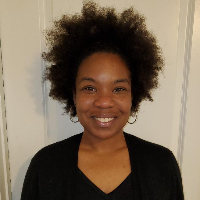
Steven Brashear
LMHC
Practical, values-focused trauma and anxiety help
- Stress, Anxiety
- Trauma and abuse
- Grief
Clinical social work directory
1,330 therapists list communication problems among the things they work with. All offer sessions online, and every profile shows the registering body, the membership number and when it runs to.
This page lists therapists who indicate communication problems as a specialty and who list EMDR among their approaches. Browse the therapist profiles below to review focus areas, therapeutic methods, credentials, languages, and experience.
LMHC
Practical, values-focused trauma and anxiety help
LCSW
Compassionate, practical care for anxiety and trauma
LPC
Trauma-aware counselor focused on practical change
LPC
Compassionate counselor using practical, evidence-informed care
AASW
Practical, compassionate counselling for everyday challenges
LPC
Calm, practical guidance for life’s hard moments
LCSW
Calm guidance for life’s hardest moments
LCSW
Practical trauma-informed care with compassion
LMFT, LCMFT
Helping people break painful relationship patterns
LCMHC
Compassionate trauma-informed counseling
NCPS
Support for anxiety, trauma, and life changes
MD, LCPC
Compassionate practical therapy for life’s challenges
LPC
Compassionate, practical therapy for life’s challenges
BACP
Calm support for life’s difficult chapters
BACP
Compassionate relational counselling for change
AASW
Practical, culturally aware mental health support
LPC
Centered, practical therapy for everyday struggles
LPCC
Practical trauma-informed counseling with EMDR
LPC
Practical, trauma-informed counseling for life challenges
LCMHC
Experienced counselor who uses practical therapies
LMFT
Experienced therapist guiding practical change
BACP
Experienced counsellor for trauma and life change
BACP, NCPS
Therapist combining psychological insight with practical tools
LPC
Compassionate, experienced counseling for adults
LPC
Compassionate counselor focused on practical change
LMHC
Calm, practical support for life and trauma
LMFT
Practical, adaptable therapy for life transitions
LCSW
Trauma-informed LCSW focused on practical skills
NY Psychoanalyst
Experienced New York psychoanalyst blending skills and depth
BACP
Practical, nature-informed counselling and support
LPC
Compassionate, practical counseling for life changes
LPC
Compassionate, practical therapy for real-life struggles
LCSW
Practical, compassionate help for trauma and life change
LPC
Compassionate, practical support for life’s hard moments
LCSW
Compassionate, practical therapy for life challenges
LCSW
Practical, person-focused therapy for stress and trauma
LPC, LPCC
Calm, practical help for life’s hardest moments
LPCC
Practical therapy for trauma and life stress
Some links on this page are partner links. We will earn a commission if you sign up through one, at no cost to you. It does not change what you pay or the order of the listings.
Communication problems cover a wide range of patterns that make it harder for you to express thoughts, understand others, or connect in relationships. You might experience repeated arguments that feel unproductive, persistent misunderstandings, difficulty setting boundaries, or trouble speaking up at work or in social settings. These patterns can be acute after a life stressor or long-standing, and they often show up not only in close relationships but also across family dynamics, friendships, and professional interactions. The impact is emotional and practical - frustration, anxiety, withdrawal, lowered self-esteem, and decisions driven by avoidance or reactivity become common when communication repeatedly breaks down.
It helps to think of communication as a skill set that includes clear expression, active listening, recognizing nonverbal signals, and managing emotions during interactions. When any of these elements is disrupted - for example because of past hurts, cultural differences, trauma, or mismatched expectations - conversations can escalate or shut down. Therapy focused on communication problems can help you understand underlying patterns, learn new ways to relate, and practice skills that reduce friction and increase connection in daily life.
You might be thinking about therapy because repeated conversations leave you feeling unheard, angry, ashamed, or exhausted. If you notice that conflicts follow common scripts - one or both people withdrawing, escalating, blaming, or reverting to sarcasm - that pattern suggests an area to address. Difficulty saying what you need without guilt, trouble hearing criticism without shutting down, or a sense that discussions always end unresolved are other indicators. Communication struggles often coincide with feelings of loneliness even when you are not physically alone, or with a desire for more openness but uncertainty about how to start.
People also seek help for communication challenges when transitions make interaction harder - a new partner, parenting, a career change, or cultural adjustments can reveal or intensify differences in how people give and receive information. If a pattern from your past keeps repeating in current relationships, or if workplace miscommunications are affecting performance and wellbeing, therapy can offer a space to examine those recurring dynamics and to rehearse different responses that lead to better outcomes.
When you begin work with a therapist on communication, sessions typically start with a conversation about goals and recurring situations you want to change. You and the therapist will explore patterns rather than only isolated incidents - how conversations usually start, what emotions are triggered, and how each person tends to respond. That context helps the therapist and you identify where small shifts could produce meaningful change. Sessions often blend exploration of history and immediate, practical skill-building so that you gain both insight and tools.
Expect a mix of reflection and practice. You may be invited to describe recent interactions in detail, notice bodily sensations and emotions that arise during conflict, or try out phrasing for boundary-setting in the room. Therapists commonly use role-play or guided rehearsal to help you experiment with different responses in a contained setting before you try them in real life. Over time, therapy focuses on translating insights into new habits - learning to pause before reacting, naming needs clearly, and listening with the intent to understand rather than to reply.
Therapists who work with communication difficulties often draw on a variety of approaches to match the needs of each person or couple. Some clinicians emphasize skill-based methods that teach concrete techniques like nonviolent communication, assertive expression, or active listening. Others incorporate emotion-focused work that helps you recognize and regulate the feelings that fuel defensive behaviors during conversations. In settings where trauma affects how you relate, therapists may include therapies noted for addressing trauma symptoms; the directory lists therapists who include EMDR among their approaches but that listing does not imply a specific credential - it simply reflects the approaches therapists report using.
Systemic and family-oriented approaches can be useful when communication problems are tied to family roles, cultural expectations, or organizational patterns. Cognitive-behavioral ideas may be used to identify thought patterns that intensify miscommunication, and experiential methods can create opportunities to practice new interaction styles with real-time feedback. Each approach has different emphases - some focus on skills training, others on exploring emotional origin stories, and some on changing the interactional system that keeps problems in place. A therapist will often combine elements to create a practical, tailored plan for your situation.
Online therapy can be well suited to communication work because it allows you to meet from a familiar setting and to schedule sessions around your life. Many people find that video sessions provide an effective place to practice conversational skills and to receive immediate coaching. You can bring recent examples from phone calls, emails, or in-person interactions into the session and role-play new approaches with guidance. Therapists often use screen-based exercises, worksheets, or short audio recordings to support learning between sessions.
If you are engaging in therapy with a partner or family member, online sessions can make it easier to coordinate schedules and to meet together from separate locations when needed. Some therapists also offer blended approaches that combine remote sessions with in-person meetings when appropriate in your area. Regardless of format, what matters is that you feel comfortable trying new ways of communicating and that the therapist explains how they plan to help you practice and measure progress.
When selecting a therapist for communication issues, focus on areas that matter for your situation - whether you want help with couple communication, family dynamics, workplace interactions, cross-cultural communication, or trauma-related reactivity. Read profiles to see how therapists describe their focus areas, the populations they work with, the languages they speak, and the approaches they list. Pay attention to whether they mention experience with the kinds of conversations you find difficult, and to how they describe their process for helping people practice new skills.
Consider practical fit as well. Think about the intensity of change you want, whether you prefer a more skills-focused or emotionally explorative style, and whether working one-on-one or with others is right for you. It is reasonable to look for therapists who explain the kinds of tools they use and how they help clients apply those tools between sessions. Finally, trust your sense of rapport - a therapist who communicates clearly about their methods and who invites questions can make it easier for you to try new patterns and to sustain changes outside of therapy.
Addressing communication problems is often a combination of insight and practice. With attention to patterns, guided rehearsal, and an approach matched to your goals, you can reduce reactive cycles, express your needs more clearly, and build interactions that feel more collaborative and respectful. Use the listings above to explore therapists who list communication problems among their specialties and to find a clinician whose focus, approach, and experience align with what you want to change.