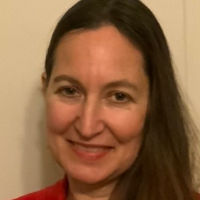
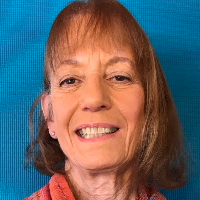
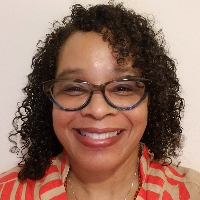
Dr. Natalia Kuzmina
LMFT, LCMFT
Helping people break painful relationship patterns
- Stress, Anxiety
- Relationship
- Family
Clinical social work directory
530 therapists list multicultural concerns among the things they work with. All offer sessions online, and every profile shows the registering body, the membership number and when it runs to.
This page lists therapists who identify multicultural concerns as a focus, including issues around cultural identity, race, immigration and intergenerational experience. Browse the practitioner profiles below to review languages, approaches and areas of emphasis to help find a good match.
LMFT, LCMFT
Helping people break painful relationship patterns
LPC
Compassionate counselor for lasting change
NCPS
Support for anxiety, trauma, and life changes
BACP
Calm support for life’s difficult chapters
BACP
Compassionate relational counselling for change
AASW
Practical, culturally aware mental health support
LPC
Practical, trauma-informed counseling for life challenges
LPC
Supportive counselor focused on practical progress
LPC
Compassionate, experienced counseling for adults
LPC
Compassionate counselor focused on practical change
NY Psychoanalyst
Experienced New York psychoanalyst blending skills and depth
BACP
Practical, nature-informed counselling and support
LPC
Compassionate, practical counseling for life changes
LPC
Compassionate, practical therapy for real-life struggles
LCSW
Practical, compassionate help for trauma and life change
LCSW
Compassionate, practical therapy for life challenges
BACP
Trauma-aware counsellor with multicultural insight
LPCC
Practical therapy for trauma and life stress
LCPC
Experienced counselor focused on trauma and life change
LCSW
Practical, respectful therapy for life challenges
BACP
Compassionate, practical counselling for trauma and anxiety
HCPC
Calm, practical care for emotional difficulty
ACA
Experienced ACA counsellor helping with trauma and stress
LMHC
Compassionate, practical therapy for life challenges
LPC
Calm, practical support for life’s hard moments
LCSW
Experienced LCSW focused on trauma and relationships
BACP
Practical, compassionate support for life’s challenges
LCSW
Experienced LCSW helping people heal and cope
LMHC
Warm, practical support for trauma and life change
NCPS
Compassionate practical therapy for stress and trauma
LPC
Practical, experienced counselor for trauma and addiction
LCPC
Compassionate, trauma-informed counselor
LMFT
Practical therapy for trauma and relationship struggles
NCPS
Practical, person-focused counselling for change
LPC
Trauma-informed counselor focused on connection and coping
BACP
Gentle, mindful support for difficult moments
LMFT
Practical, collaborative therapy for trauma and relationships
LPC
Calm, practical therapy for everyday struggles
LPC
Compassionate counselor focused on practical tools
Some links on this page are partner links. We will earn a commission if you sign up through one, at no cost to you. It does not change what you pay or the order of the listings.
Multicultural concerns encompass the emotional and relational impacts of culture - including race, ethnicity, religion, language, immigration history, socioeconomic background and sexual orientation - on everyday life. When culture shapes how you are seen, treated and understood, it can influence self-concept, relationships, career choices and mental health. You might experience questions about belonging, pressure to assimilate, intergenerational conflicts over values, or the stress of navigating multiple cultural expectations. Those experiences can feel isolating, invisible or minimized in spaces that do not recognize cultural context.
Therapy focused on multicultural concerns aims to attend to the cultural dimensions of your life rather than treating symptoms in isolation. That can mean exploring identity development, how cultural trauma or discrimination shows up in your body and relationships, or strategies for advocating for yourself in work and family systems. You do not have to present with a diagnosable condition to benefit from this kind of work; many people seek help to deepen their understanding of identity, heal from culturally rooted hurts, or strengthen relationships across cultural differences.
You might consider seeking a therapist when questions about identity or cultural fit start affecting your daily functioning or sense of wellbeing. Common signs include persistent feelings of not belonging, repeated conflict with family over values or expectations, difficulty expressing cultural identity at work or school, or chronic stress related to discrimination and stereotyping. You may also notice internal conflicts, such as guilt about cultural change, loss of language or customs, or the weight of being a cultural translator for family and community.
Other indicators are emotional symptoms that seem tied to cultural experiences - recurring anxiety in cross-cultural settings, low mood after incidents of racial microaggression, or avoidance of cultural spaces because of past trauma. If you are wrestling with decisions that hinge on cultural values, such as when to honor tradition, how to parent across cultures, or whether to pursue life choices that differ from family expectations, therapy can provide a reflective space to explore options and consequences.
In early sessions you and your therapist will typically review what brings you in and how culture shows up in your goals. A culturally oriented therapist will ask about your background, family history, language use and the roles culture plays in your relationships and sense of self. That exploration is practical and relational rather than purely academic - the aim is to understand the lived experience that shapes your concerns and to co-create goals that honor your cultural values.
Therapy sessions often involve narrative work to articulate your identity story, skills-building to navigate cross-cultural stressors, and emotion-focused exploration to process hurt from discrimination or intergenerational wounds. You can expect conversations about power, privilege and bias when relevant, and an emphasis on developing strategies you can use outside the session - for example, scripts to respond to microaggressions, ways to negotiate boundaries with family, or exercises to reconnect with cultural practices that feel restorative. Progress is measured by clearer understanding, increased agency in cultural situations and more satisfying relationships, rather than by quick fixes.
Therapists who work with multicultural concerns draw on a range of approaches tailored to your needs. Some professionals emphasize narrative methods to help you re-author the stories you tell about belonging and identity. Others use emotion-focused or somatic techniques to help you process the bodily effects of stress and racial trauma. There are therapists who blend relational and systemic perspectives to address family dynamics that cross cultural lines and to help you negotiate expectations with relatives.
Because modalities are often combined, you will find practitioners who list trauma-focused methods, cognitive behavioral approaches, psychodynamic perspectives or culturally adapted interventions among their approaches. You may also encounter therapists who list EMDR among their approaches as one option for processing difficult memories. The key is to look for therapists who describe how they integrate cultural understanding into their methods rather than relying on any single label as proof of fit.
Online therapy can expand your options when seeking culturally attuned care, especially if there are few local practitioners who share your language or cultural knowledge. Virtual sessions allow you to connect with therapists in other cities or states who list relevant cultural specialties, offer services in your preferred language, or have experience with similar migration or community contexts. Teletherapy also makes it easier to involve family members in joint sessions when distance or schedules would otherwise prevent it.
When you try online therapy, consider practical matters that influence the therapeutic experience. Think about time zone differences, technology needs and whether video, audio-only or a combination feels most comfortable. Reflect on privacy in your physical environment so you can speak freely during sessions, and ask about how a clinician structures online work - for example, how they manage crisis situations, what communication channels they use between sessions, and how they adapt therapeutic techniques for a virtual format. These logistical conversations help you identify a setup that supports consistent and meaningful work on multicultural concerns.
Start by clarifying what cultural factors matter most to you - language, religion, immigration history, race, gender identity or intergenerational roles. Use those priorities to filter practitioner profiles by listed areas of focus and languages spoken. Read descriptions to see whether a therapist explains how they incorporate culture into their practice and whether they discuss working with similar experiences. It is useful to look for clinicians who describe ongoing learning about cultural competence and anti-bias practice rather than relying solely on demographic markers.
Consider how you want culture to be addressed in therapy. You may prefer a therapist who offers direct exploration of identity and social context, or you may want someone who integrates cultural insight into skill-building and symptom management. Look for notes about therapeutic style, session structure and preferred interventions, keeping in mind that many therapists combine multiple methods. Practical considerations such as insurance participation, fees and session length matter as well, and you should evaluate how those factors fit your life. When you contact a therapist, asking about their experience with the specific cultural issues you face and how they approach those topics can help you determine whether their style aligns with your needs. Trust your sense of comfort and mutual respect - effective work on multicultural concerns often rests on a relationship where you feel heard, understood and empowered to make choices that honor your cultural identity.