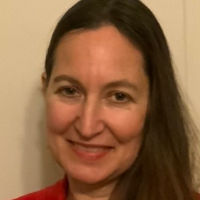
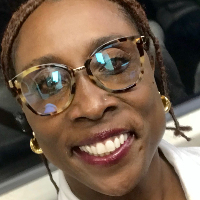
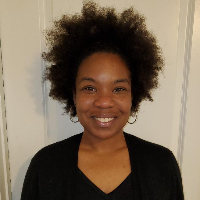
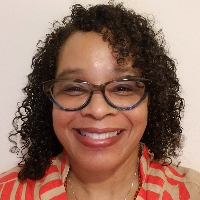
Steven Brashear
LMHC
Practical, values-focused trauma and anxiety help
- Stress, Anxiety
- Trauma and abuse
- Grief
Clinical social work directory
1,170 therapists list forgiveness among the things they work with. All offer sessions online, and every profile shows the registering body, the membership number and when it runs to.
Discover therapists who list forgiveness as a focus and read about approaches, experience and languages to help you move forward. Browse the listings below to compare profiles and learn more about how forgiveness work might fit your needs.
LMHC
Practical, values-focused trauma and anxiety help
LCSW
Compassionate, practical care for anxiety and trauma
LPC
Trauma-aware counselor focused on practical change
LPC
Compassionate counselor using practical, evidence-informed care
LPC
Calm, practical guidance for life’s hard moments
LCSW
Calm guidance for life’s hardest moments
LMFT, LCMFT
Helping people break painful relationship patterns
LCMHC
Compassionate trauma-informed counseling
NCPS
Support for anxiety, trauma, and life changes
MD, LCPC
Compassionate practical therapy for life’s challenges
LPC
Compassionate, practical therapy for life’s challenges
BACP
Calm support for life’s difficult chapters
AASW
Practical, culturally aware mental health support
LPCC
Practical trauma-informed counseling with EMDR
LCMHC
Experienced counselor who uses practical therapies
LCSW, CSW
Connecting strengths with steady change
LMFT
Experienced therapist guiding practical change
BACP, NCPS
Therapist combining psychological insight with practical tools
LPC
Compassionate, experienced counseling for adults
LPC
Compassionate counselor for trauma and life change
LPC
Compassionate counselor focused on practical change
LMHC
Calm, practical support for life and trauma
LCSW
Trauma-informed LCSW focused on practical skills
NY Psychoanalyst
Experienced New York psychoanalyst blending skills and depth
BACP
Practical, nature-informed counselling and support
LPC
Compassionate, practical counseling for life changes
LPC
Compassionate, practical therapy for real-life struggles
LCSW
Practical, compassionate help for trauma and life change
LPC
Compassionate, practical support for life’s hard moments
LCSW
Compassionate, practical therapy for life challenges
LPC, LPCC
Calm, practical help for life’s hardest moments
LPCC
Practical therapy for trauma and life stress
LCSW
Therapist focused on trauma and life change
LCPC
Experienced counselor focused on trauma and life change
LMHC
Practical skills for anxiety and trauma recovery
LCSW
Practical, respectful therapy for life challenges
BACP
Compassionate, practical counselling for trauma and anxiety
Some links on this page are partner links. We will earn a commission if you sign up through one, at no cost to you. It does not change what you pay or the order of the listings.
Forgiveness is often misunderstood as simply forgetting or excusing harm. In practice, it is a process by which you change how you relate to a hurtful event, toward less persistent anger, rumination and avoidance. That shift can influence your sense of self, your relationships and the decisions you make about reconnecting or setting boundaries. Forgiveness does not require reconciliation, and it does not mean you must minimize what happened. For many people, the process of forgiving is more about releasing the emotional load that keeps them tethered to past pain than about altering the reality of what occurred.
You might notice effects of unresolved grievances in how you sleep, how easily you trust others, or in physical tension that never seems to ease. Some people find themselves replaying scenes in their head or feeling ready to react in similar situations long after the original incident. Others carry an inner narrative that the wrong cannot be undone and that holding on to anger is a way of protecting yourself. Therapy focused on forgiveness works with these patterns so you can explore alternatives to holding on and experiment with new ways of relating to memories and people.
If you often find yourself rehearsing hurts or planning ways to get even, therapy could help you create distance from those cycles. You may seek support when resentment limits your ability to enjoy relationships or when a past betrayal colors your expectations of new connections. People also come to forgiveness work when they feel stuck between conflicting impulses - wanting to move on but feeling that doing so would be disloyal to their own sense of justice. That inner conflict can be exhausting and isolating.
Other signs that forgiveness-focused therapy may be useful include chronic stress related to an interpersonal wound, a prolonged sense of bitterness that affects daily functioning, or repeated patterns where old hurts resurface in new situations. You might also notice physical symptoms tied to emotional tension, such as headaches, digestive upset or tightness in the chest, which intensify when you think about the person or event. Therapy is not about forcing forgiveness; it is a space to explore whether letting go serves your goals, and to find ways to reduce harm to your own wellbeing while honoring your values.
In the first phase of therapy you and your therapist will likely spend time building a clear picture of the hurtful event, your reactions to it and the ways you have tried to cope. Your therapist will listen for the meanings you attach to the experience and the ways those meanings shape your emotions and behavior. This is a collaborative exploration rather than a line of questioning designed to validate or invalidate any particular choice. You can expect the therapist to ask about your goals, what forgiveness would look like for you and what concerns you have about that process.
As therapy continues, sessions often include emotional processing to help you tolerate and understand difficult feelings without being overwhelmed by them. You may practice techniques to regulate intense emotions, examine the story you tell yourself about the harm, and develop new responses that align with your values. Therapy can include role-play, guided imagery or written exercises to help you express unresolved thoughts in a contained way. The pace is determined by your comfort and readiness, and your therapist should offer options rather than pushing you toward a predetermined outcome.
Forgiveness work draws on a range of therapeutic traditions, and therapists often combine elements from several approaches to suit your needs. Cognitive approaches help you identify and reframe patterns of thought that keep resentment alive, so you can see alternative interpretations of the event and of your role in it. Emotion-focused approaches pay attention to the felt sense of hurt and aim to transform the emotional response, rather than only changing thoughts. Narrative-oriented work invites you to re-author the story you carry about what happened and about who you are in relation to that story.
Some therapists incorporate compassionate practices to build self-directed kindness, particularly when guilt or shame complicates forgiveness. Mindfulness-based strategies teach you to observe painful memories without immediately reacting to them. Trauma-informed perspectives are used when the hurt involves threats to safety, helping you process memories while maintaining a sense of present-day protection. You may also encounter therapists who list EMDR among their approaches; in that case the therapist is indicating a modality they use with clients who find processing memories through bilateral stimulation helpful. Therapists adapt these methods so the work stays aligned with your pace and goals.
Online therapy can be a practical way to access forgiveness-focused work from your own home or another comfortable setting. Sessions typically take place via video, phone or text-based messaging, and can be scheduled with different rhythms depending on what you and your therapist prefer. Many people find that working remotely makes it easier to maintain continuity when life gets busy or when the person they are working to forgive is nearby in their everyday environment. The remote format does not change the core processes of forgiveness work - you still examine meanings, process emotion and practice new responses - but it does require attention to how you create a personal place to reflect during sessions and how you manage emotions after a session ends.
When choosing a therapist for forgiveness work, focus on fit more than certifications. Look for therapists who describe experience and approaches that resonate with you, such as cognitive, emotion-focused, or narrative methods. Consider the languages they list, cultural perspectives they bring and their stated interest in relational or trauma-related concerns, if relevant to your situation. You might want to read a few profiles to see how therapists describe their work with grief, betrayal or interpersonal conflict. Pay attention to whether they explain how they handle strong emotions and whether they emphasize collaboration and consent in deciding goals.
It can be helpful to prepare a few questions before an initial contact so you can assess fit. You may ask how they typically structure forgiveness work, what kinds of exercises they might use, and how they help clients stay grounded during emotionally intense moments. Ask about experience with populations or contexts similar to yours, and whether they work more experientially or more verbally. Keep in mind that the right match is partly about technique and partly about whether you feel heard and understood. If you do not click with a particular therapist, that is a valid reason to continue exploring other profiles until you find someone whose approach and style align with your needs.
Forgiveness is often less a single event than a series of choices and practices that unfold over time. Therapy offers a space to clarify what letting go would mean for you, to process barriers that keep you stuck and to cultivate alternatives to chronic resentment. Whether your aim is greater inner peace, improved relationships or simply making sense of a past wound, you can use therapy to develop tools and perspectives that support your goals. As you browse profiles and read about approaches, trust your instincts about which descriptions feel most relevant to your story and your values.
Forgiveness work is personal and context dependent. You do not have to navigate it alone, and finding a therapist whose language and methods resonate with you can make the process feel more manageable and meaningful. If you are ready to explore forgiveness, consider starting by identifying a few therapists whose profiles reflect the approaches and experience that matter most to you and reaching out to learn more about how they work.