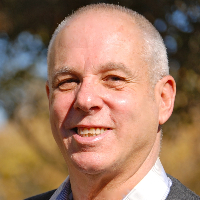
Gary Zarchy, LPC
Arizona · 25 years in practice
Gary Zarchy is a Licensed Professional Counselor with 25 years of experience helping people navigate anxiety, addiction, grief, trauma, and relationship concerns.
License and registration
- LPC, Arizona
- LPC-10642 · expires September 2026
- NPI
- 1598827214 · national provider identifier
- Years in practice
- 25
- Languages
- English
Details are as listed on the therapist's public professional profile. You can check the license with the issuing state board, and the NPI with the national registry.
About Gary
Gary Zarchy is a Licensed Professional Counselor with 25 years of experience helping people navigate anxiety, addiction, grief, trauma, and relationship concerns. He centers the work on each person's own strengths. His role is to guide, teach, and encourage while clients set and reach their goals.
Gary emphasizes practical steps and clear conversation. He draws on client-centered and cognitive behavioral ideas to shape sessions around what the person needs now.
Background and approach
He also uses mindfulness and existential perspectives to help people notice patterns, make meaningful choices, and manage difficult feelings. His background includes a master’s degree from the University of Phoenix and long-standing teaching in their counseling department, both in-person and online for 18 years. That mix of classroom and clinical work informs his straightforward, educational style.
He often blends tools to match a person’s situation rather than following a single plan. EMDR, or Eye Movement Desensitization and Reprocessing, is one of the methods he lists among his approaches. When appropriate, he integrates EMDR techniques alongside talk-based strategies to address trauma-related symptoms and emotional reactions.
Sessions focus on clear goals, coping skills, and steps people can use between meetings. Gary aims to help people build the skills that let them move forward and eventually complete therapy once goals are met.
Focus areas and approaches
Everything Gary lists on their public professional profile, in their own terms.
- Stress, Anxiety
- Addictions
- LGBT
- Relationship issues
- Depression
- Family conflicts
- Trauma and abuse
- Grief
- Intimacy-related issues
- Anger management
- Self esteem
- Career difficulties
- Bipolar disorder
- Coping with life changes
- Coaching
- Compassion fatigue
- Aging and geriatric issues
- Antisocial personality
- Co-morbidity
- Codependency
- Communication problems
- Divorce and separation
- Drug and alcohol addiction
- Emptiness
- Family of origin issues
- First responder issues
- Forgiveness
- Gender dysphoria
- Guilt and shame
- HIV / AIDS
- Hospice and end-of-life counseling
- Infidelity
- Isolation / loneliness
- Life purpose
- Men's issues
- Midlife crisis
- Mood disorders
- Multicultural concerns
- Panic disorder and panic attacks
- Post-traumatic stress
- Prejudice and discrimination
- Process addiction (porn, exercise, gambling)
- Self-love
- Sexuality
- Social anxiety and phobia
Approaches Gary names
- Eye Movement Desensitization and Reprocessing (EMDR)
- Client-Centered Therapy
- Cognitive Behavioral Therapy (CBT)
- Existential Therapy
- Mindfulness Therapy
- Motivational Interviewing
- Solution-Focused Therapy
Naming an approach is not evidence of training in it. This directory copies what each therapist lists and does not check training records.
Online support
Approaches for trauma, coping, and personal growth online
Client-centered therapy focuses on the person's perspective and strengths; the therapist listens deeply and follows the person's lead to build trust and clarify goals. Cognitive Behavioral Therapy, or CBT, breaks problems into thoughts, feelings, and actions and teaches practical skills to change unhelpful patterns. EMDR, when used, pairs structured processing techniques with guided attention to help reduce the intensity of trauma-related memories and reactions.Choosing the right approach is a collaborative process. Gary will talk with a person about their concerns, goals, and preferences and recommend methods that fit. If an approach does not feel right, he adjusts the plan so the work stays relevant and manageable.
Online sessions offer flexibility and a range of ways to connect. Video calls allow face-to-face conversation and visual cues. Phone sessions work well when bandwidth or camera use is limited. Live chat and text-based messaging let people check in between meetings or fit brief check-ins into a busy day. These options make it easier to keep therapy consistent while fitting it into life.
We will earn a commission if you sign up through our link, at no cost to you. It does not change what you pay or the order of the listings.
Questions people ask
What concerns does Gary commonly address?
He works with stress, anxiety, depression, addiction, trauma and relationship issues, plus grief, anger, self-esteem, career questions, and compassion fatigue among other concerns.
What is his therapeutic style like?
Sessions are practical and person-focused. He guides, teaches, and encourages while helping people set clear goals and practice useful skills.
How much clinical experience does he have?
He brings 25 years of clinical experience to his work and combines that with many years teaching in a university counseling department.
What credentials and region are listed for this therapist?
He holds the LPC credential as an Arizona Licensed Professional Counselor and practices in Arizona.
Which languages are supported for sessions?
Sessions are offered in English only.
What session formats are available online?
Gary offers video calls, phone sessions, live chat, and text-based messaging as ways to meet remotely.
How are costs and billing handled?
Session cost varies with location and therapist availability. Therapy uses a subscription model that can be canceled at any time.
How do I begin working with him?
Begin by selecting the Start Therapy button, completing a short matching questionnaire, and then scheduling according to therapist availability.
More therapists in Arizona
See all
Tina Argueta
LPC
Compassionate counselor focused on practical healing
- Addictions
- LGBT
- Trauma and abuse

Lori Smith
LPC
Trauma-informed counselor focused on practical healing
- Stress, Anxiety
- Addictions
- Trauma and abuse

David Burkett
LPC
Compassionate, practical therapy for emotional healing
- Stress, Anxiety
- Relationship
- Trauma and abuse

Is this your profile?
Ask us to correct details or take the page down.
Contact us