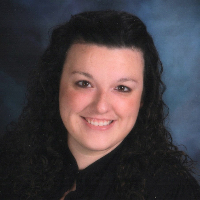
Chelsea Sheedy, LCMHC
Utah · 8 years in practice
Chelsea Sheedy, LCMHC, helps people who are carrying heavy stress, anxiety, or grief find clearer footing.
License and registration
- LCMHC, Utah
- 9662316-6004 · expires September 2026
- NPI
- 1447748660 · national provider identifier
- Years in practice
- 8
- Languages
- English
Details are as listed on the therapist's public professional profile. You can check the license with the issuing state board, and the NPI with the national registry.
About Chelsea
Chelsea Sheedy, LCMHC, helps people who are carrying heavy stress, anxiety, or grief find clearer footing. She works with individuals facing trauma, relationship struggles, parenting pressure, mood changes, addiction, and questions about identity and purpose. Chelsea writes plainly and listens closely to understand what matters most to each person.
She brings eight years of clinical experience and a creative background in music and music therapy to her counseling. That blend means sessions may include talking, writing, movement, or music when it feels helpful.
Background and approach
Chelsea adapts tools from multiple approaches so each plan matches a person’s needs and interests. Her work includes supporting people who have experienced trauma and abuse, including symptoms that can follow complex trauma. She offers EMDR, Eye Movement Desensitization and Reprocessing, as part of a larger toolbox when clients and clinician agree it fits the goals.
Chelsea also uses acceptance and commitment strategies, attachment-informed ideas, and skills from dialectical behavior therapy when relevant. Sessions focus on practical steps you can use between appointments. Chelsea helps clients notice patterns, practice new ways of coping, and rebuild trust with themselves and others.
She also supports people dealing with parenting challenges, career decisions, fertility and family of origin issues, and concerns around gender and sexuality. Chelsea practices as an LCMHC in Utah and provides therapy in English. She welcomes clients from other locations who can work with her online and offers multiple formats to match different schedules and needs.
Focus areas and approaches
Everything Chelsea lists on their public professional profile, in their own terms.
- Stress, Anxiety
- LGBT
- Trauma and abuse
- Intimacy-related issues
- Depression
- Addictions
- Relationship issues
- Family conflicts
- Grief
- Parenting issues
- Anger management
- Self esteem
- Career difficulties
- Bipolar disorder
- Coping with life changes
- Coaching
- Compassion fatigue
- ADHD
- Abandonment
- Attachment issues
- Autism and Asperger Syndrome
- Avoidant personality
- Codependency
- Coping with natural or human-caused disaster
- Dissociation
- Domestic violence
- Emptiness
- Family of origin issues
- Fertility issues
- Gender dysphoria
- Guilt and shame
- Infidelity
- Life purpose
- Men's issues
- Mood disorders
- Multicultural concerns
- Narcissism
- Personality disorders
- Polyamory / non-monogamous relationships
- Postpartum depression
- Post-traumatic stress
- Pregnancy and childbirth
- Prejudice and discrimination
- Process addiction (porn, exercise, gambling)
- Seasonal Affective Disorder (SAD)
- Self-harm
- Sex addiction
- Sexual assault and abuse
- Sexual dysfunction
- Sexuality
- Social anxiety and phobia
- Traumatic brain injury
- Women's issues
- Young adult issues
Approaches Chelsea names
- Eye Movement Desensitization and Reprocessing (EMDR)
- Acceptance and Commitment Therapy (ACT)
- Attachment-Based Therapy
- Client-Centered Therapy
- Dialectical Behavior Therapy (DBT)
- Mindfulness Therapy
- Motivational Interviewing
- Solution-Focused Therapy
- Trauma-Focused Therapy
Naming an approach is not evidence of training in it. This directory copies what each therapist lists and does not check training records.
Online support
How Chelsea blends therapies for online care
Acceptance and Commitment Therapy, or ACT, helps people notice unhelpful thoughts and choose actions that match their values. It’s useful for anxiety, low mood, and life transitions where someone wants to take clearer steps toward what matters. Attachment-Based Therapy looks at how early relationships affect current patterns and focuses on building safety and trust in how someone relates to others and themselves. EMDR, Eye Movement Desensitization and Reprocessing, is a method used to process distressing memories and reduce their emotional intensity when trauma is a concern.Choosing the right mix of methods is collaborative. The therapist will talk with each person about goals, preferences, and what has or hasn’t worked before. Together they decide which approaches to try and adjust the plan as progress or obstacles appear.
Online therapy offers a range of practical options: video calls for face-to-face conversation, phone sessions when bandwidth is limited, live chat for brief check-ins, and text-based messaging for ongoing support between meetings. These formats make it easier to fit therapy into work, parenting, or travel schedules, allow shorter check-ins when needed, and reduce the need to commute. Chelsea uses these options to keep care flexible and focused on what helps each person move forward.
We will earn a commission if you sign up through our link, at no cost to you. It does not change what you pay or the order of the listings.
Questions people ask
What kinds of concerns does Chelsea address?
Chelsea works with stress, anxiety, trauma and abuse, depression, addictions, relationship and intimacy issues, parenting concerns, grief, ADHD, career questions, and related challenges.
How would you describe her therapeutic style?
Her approach is creative and client-centered, mixing talk therapy with practical skills and expressive activities like writing or music when helpful.
What is her clinical background and experience?
She has eight years of clinical experience and a background in music therapy plus a master’s in clinical counseling.
Where is she licensed and based?
She practices as an LCMHC in Utah and delivers care from that base.
Are sessions available in other languages or internationally?
Sessions are offered in English and she accepts clients from other locations who can work with her online.
What session formats are offered?
Therapy is available via video calls, phone sessions, live chat, and text-based messaging to fit different needs.
How does billing and cost work?
Cost varies by location and therapist arrangement; sessions use a subscription model that can be canceled at any time.
How do I begin working with her?
Choose the Start Therapy button, complete a short matching questionnaire, and schedule according to the therapist’s availability.
More therapists in Utah
See allBridgez English
LCMHC
Practical, trauma-informed counseling for adults
- Stress, Anxiety
- Relationship
- Trauma and abuse
Carolshene Powell
LCMHC
Compassionate trauma-informed counseling
- Stress, Anxiety
- Trauma and abuse
- Self esteem

Monica Rawlings
LCMHC
Compassionate care for trauma and life stress
- Stress, Anxiety
- Addictions
- Relationship
Cheli Webb
LCMHC
Practical, strength-focused counseling with EMDR options
- Stress, Anxiety
- Addictions
- Relationship
Is this your profile?
Ask us to correct details or take the page down.
Contact us