
Meghan Bryant, LCSW
Hawaii · 9 years in practice
Meghan Bryant is a Licensed Clinical Social Worker (LCSW) based in Colorado.
License and registration
- LCSW, Hawaii
- LCSW-4101 · expires June 2028
- LCSW, Arizona
- LCSW-21844 · expires September 2027
- LCSW, Arkansas
- 13114-C · expires August 2027
- LCSW, Colorado
- CSW.09929010 · expires August 2027
- LCSW, Texas
- 111022 · expires March 2027
- NPI
- 1649717463 · national provider identifier
- Years in practice
- 9
- Languages
- English
Details are as listed on the therapist's public professional profile. You can check the license with the issuing state board, and the NPI with the national registry.
About Meghan
Meghan Bryant is a Licensed Clinical Social Worker (LCSW) based in Colorado. She focuses on helping people who feel stuck by listening carefully and working alongside them to set clear, manageable goals. She keeps sessions straightforward and practical so conversations stay useful and grounded.
She has nine years of clinical experience and often supports people dealing with trauma and abuse, anxiety, depression, stress, sleep troubles, anger, and low self-esteem. She also helps with career concerns, compassion fatigue, and life transitions.
Background and approach
Meghan addresses related issues such as family of origin problems, caregiver stress, body image, and chronic illness where these problems affect daily life. Her approach centers on the person in front of her. She uses client-centered work to follow what matters most to each person.
She also draws on cognitive behavioral tools to spot unhelpful thinking patterns and on EMDR work when trauma processing is part of the plan. Motivational interviewing and solution-focused strategies are used to build motivation and small, practical next steps. Sessions aim to feel collaborative and down-to-earth.
Meghan helps people break big problems into small actions and reviews progress together. She encourages honest talk and keeps goals flexible so plans can change as needs evolve. People can expect a calm, direct style that focuses on what will make life better this week and next.
Meghan welcomes questions about how therapy might fit into someone's schedule and goals.
Focus areas and approaches
Everything Meghan lists on their public professional profile, in their own terms.
- Trauma and abuse
- Self esteem
- Career difficulties
- Depression
- Coping with life changes
- Stress, Anxiety
- Sleeping disorders
- Anger management
- Compassion fatigue
- Abandonment
- Adoption and foster care
- Avoidant personality
- Body image
- Caregiver issues and stress
- Chronic pain, illness, and disability
- Communication problems
- Control issues
- Dependent personality
- Family of origin issues
- Family problems
- First responder issues
- Forgiveness
- Gender dysphoria
- Guilt and shame
- Hospice and end-of-life counseling
- Immigration issues
- Intellectual disability
- Isolation / loneliness
- Life purpose
- Veteran and Armed Forces Issues
- Money and financial issues
- Mood disorders
- Obsessions, compulsions, and OCD
- Panic disorder and panic attacks
- Post-traumatic stress
- Self-love
- Sexual assault and abuse
- Social anxiety and phobia
- Women's issues
- Workplace issues
- Young adult issues
Approaches Meghan names
- Eye Movement Desensitization and Reprocessing (EMDR)
- Client-Centered Therapy
- Cognitive Behavioral Therapy (CBT)
- Motivational Interviewing
- Solution-Focused Therapy
- Somatic Therapy
- Trauma-Focused Therapy
- Internal Family Systems
Naming an approach is not evidence of training in it. This directory copies what each therapist lists and does not check training records.
Online support
How Meghan's approaches translate to online care
Meghan often blends client-centered work and cognitive behavioral therapy in sessions. Client-centered therapy means she listens closely and follows the concerns that matter most to the person. This approach helps people feel heard and sets the direction of each session based on their goals. Cognitive behavioral therapy focuses on identifying unhelpful thoughts and testing small behavior changes to reduce anxiety, depression, or stress.She also uses Eye Movement Desensitization and Reprocessing, often called EMDR, when trauma processing is part of the plan. EMDR in online sessions involves guided processing and paced bilateral stimulation to help reduce the hold of painful memories. The choice to use EMDR or other tools is collaborative; she will discuss options and recommend what fits each person's goals and comfort level.
Online therapy offers flexibility in how people connect. Video calls let the therapist and client work face-to-face and read nonverbal cues. Phone sessions are useful when lower bandwidth or less screen time is needed. Live chat and text-based messaging allow for shorter check-ins and steady support between longer sessions. These options make it easier to fit therapy into a busy life and try different formats as needs change.
We will earn a commission if you sign up through our link, at no cost to you. It does not change what you pay or the order of the listings.
Questions people ask
What concerns does Meghan help with?
She supports people coping with trauma and abuse, anxiety, depression, stress, sleep issues, anger, low self-esteem, and career challenges, among other related concerns.
How would you describe her therapeutic style?
Her style is collaborative and down-to-earth, combining client-centered listening with practical tools to set goals and track progress.
What is her professional background?
She has nine years of professional experience working in clinical settings and community care before practicing online.
What credentials and location are listed?
Meghan holds the Licensed Clinical Social Worker credential (LCSW) and lists Colorado as her location.
Are sessions available in other languages or internationally?
Sessions are offered in English and international clients are not currently accepted.
Which session formats are offered?
She offers video calls, phone sessions, live chat, and text-based messaging to fit different needs and schedules.
How much do sessions cost?
Cost varies with location and therapist availability; sessions use a subscription model that can be canceled at any time.
What are the first steps to begin therapy?
Start by selecting the Start Therapy button, complete a short matching questionnaire, and schedule a session according to therapist availability.
More therapists in Colorado
See allJai Pitre
LCSW, CSW
Connecting strengths with steady change
- Stress, Anxiety
- Trauma and abuse
- Self esteem

June Santon
LPC
Compassionate, practical counseling for life changes
- Stress, Anxiety
- Addictions
- Trauma and abuse
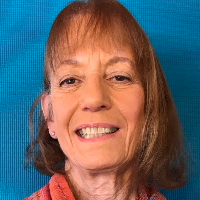
Kelley Sullivan
LCSW
Experienced LCSW focused on trauma and relationships
- Stress, Anxiety
- Relationship
- Trauma and abuse

Kenneth Mowery
LPC
Person-centered therapist informed by neuroscience
- Stress, Anxiety
- Relationship
- Trauma and abuse

Is this your profile?
Ask us to correct details or take the page down.
Contact us