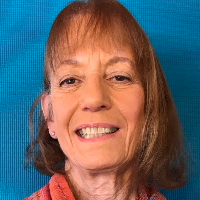
Jai Pitre
LCSW, CSW
Connecting strengths with steady change
- Stress, Anxiety
- Trauma and abuse
- Self esteem
Clinical social work directory
68 therapists in this directory hold a licence issued in Colorado and name EMDR among their approaches. Sessions are online; a US therapist can usually only see people in a state where they hold a licence, so check the credentials panel on each profile.
Welcome to our directory of online therapists serving Colorado. All therapists listed here are licensed in Colorado and many list EMDR among their approaches. Explore the profiles below to compare credentials, specialties, languages, and practice styles to find a clinician who may be a good fit for you.
LCSW, CSW
Connecting strengths with steady change
LPC
Compassionate, practical counseling for life changes
LCSW
Experienced LCSW focused on trauma and relationships
LPC
Person-centered therapist informed by neuroscience
LMFT
Practical, collaborative therapy for adult concerns
LCSW, CSW
Practical, compassionate support for life’s hard moments
LPC
Compassionate, practical care for trauma and recovery
LPC
Experienced counselor using EMDR and skills-based care
LPC
Calm practical support for life’s hard moments
LPC
Compassionate, practical therapy for life’s hard moments
LCSW
Experienced LCSW focusing on practical coping skills
LPC
Compassionate counselor for trauma and life change
LPC
Compassionate counselor who blends listening and practical tools
LPC
Trauma-informed, practical counseling for everyday struggles
LPC
Practical, compassionate support for life changes
LCSW, CSW
Practical trauma-informed care with EMDR options
LPC
Compassionate counselor for life changes
LCSW, CSW
Practical, compassionate therapy focused on healing
LPC
Compassionate, practical therapy for tough moments
LCSW, CSW
Practical, strengths-based therapy with EMDR options
LCSW
Calm, practical therapy for life’s hard moments
LPC
Compassionate counselor focused on trauma recovery
LPC
Compassionate counselor focused on practical tools
LPC
Compassionate, practical counseling for life changes
LCSW, CSW
Compassionate therapist focused on trauma recovery
LPC
Experienced counselor focusing on trauma and relationships
CO Psychologist
Experienced Colorado psychologist focused on trauma recovery
LPC, LPCC
Therapist focused on trauma and relationships
LPC
Calm-focused therapy for trauma and life change
LPC
Focused on trauma recovery and relationships
LPC
Compassionate counselor blending EMDR and practical skills
LPC, LPCC
Compassionate, practical therapy for real problems
LPC
Compassionate, practical counseling for everyday struggles
CO Psychologist, NM Psychologist
Experienced psychologist focusing on trauma recovery
LCSW
Warm, practical therapy for trauma and life change
LPC
Trauma-informed therapist focusing on values and change
LPC, LIMHP
Relationship and intimacy-focused care
LPC
Trauma-informed counselor focused on practical skills
LCSW
Calm, practical support for life’s painful moments
CSW
Trauma-informed social worker focused on practical skills
LCSW, CSW
Experienced trauma-informed social worker
Some links on this page are partner links. We will earn a commission if you sign up through one, at no cost to you. It does not change what you pay or the order of the listings.
Online therapy has become a common way to receive mental health support across Colorado, connecting people in mountain towns, suburbs, and urban centers without the need to travel. In Colorado, licensed clinicians may offer services via video or phone within the boundaries set by state regulators. Telehealth rules guide where a clinician can practice and how services are delivered, and these rules have been shaped by changes in technology and public policy in recent years. When you explore online therapist profiles, you will find a range of license types, practice focuses, and therapeutic approaches, including therapists who list EMDR among their approaches.
If you live in Colorado, online therapy can bridge geographic gaps or simplify logistics when you have a busy schedule. It also enables you to search for clinicians whose language skills or cultural background align with yours, regardless of their physical office location. While the format can vary from video sessions to phone-only support, the core of the work is about building a therapeutic relationship and working toward goals that matter to you.
Online therapy offers several practical benefits that may be especially relevant if you live in Colorado. If you are commuting from a rural area, traveling across mountain passes, or balancing work and family responsibilities, being able to connect from home can reduce the time and effort needed to access care. You may also find a wider range of specialties and languages when you look beyond local offices, allowing you to seek clinicians with experience related to your needs. For people who prefer the familiarity of a home environment, online sessions can feel more approachable and reduce barriers to beginning therapy.
Additionally, online therapy can help you maintain continuity of care when life circumstances change - for example, if you move within the state or travel temporarily. Many clinicians describe ways to protect your privacy and data, explain how they handle records, and provide a clear plan for technology use so you know what to expect. Being intentional about creating a quiet, interruption-free space and testing your technology before a session can help you get the most out of remote sessions.
Online therapists in Colorado work with a wide range of concerns. You can find clinicians who focus on anxiety, depression, stress management, grief, relationship issues, life transitions, and work-related challenges. Many therapists also list experience supporting people coping with trauma, chronic health conditions, or effects of discrimination and identity-related stress. Because online work can reduce geographic limits, you may be able to connect with clinicians who share cultural background, speak your language, or have experience with specific life stages and communities.
Approaches vary across individual clinicians. Some therapists list cognitive-behavioral, psychodynamic, solution-focused, or somatic methods, and others list EMDR among their approaches. When a therapist lists a modality, it indicates an orientation they use in practice rather than a guarantee about formal credentials. As you read profiles, pay attention to the descriptions of how a therapist frames their work and the kinds of goals they help people pursue, so you can imagine what a therapy process might feel like for you.
Verifying a therapist's license is an important step to make sure you are working with someone who is recognized by state regulators. In Colorado, the Department of Regulatory Agencies and its related licensing boards maintain public license lookup tools where you can check a clinician's license type, status, expiration date, and any disciplinary history. To use these tools, you can search by the therapist's name or license number if one is listed on their profile. The public record will typically indicate the license category - for example, psychologist, licensed clinical social worker, or licensed professional counselor - and any board actions that are on file.
When you look up a license, note the date of issuance, whether the license is active, and whether the clinician is listed to practice within Colorado. These records can also help you confirm professional credentials and see if there are any consumer notices or restrictions. If you have questions about what you find, you can contact the licensing board for clarification. Verifying credentials gives you clear information to base your decision on and can be part of your broader process for evaluating a therapist's fit.
Getting started with an online therapist usually begins with searching profiles, reading bios, and identifying clinicians whose experience, approach, and languages align with your needs. Once you have a few names, you can reach out to the clinician or their practice to ask about their methods, typical session length, fees, whether they bill insurance or provide documentation for out-of-network reimbursement, and how they handle record keeping. It is reasonable to ask how they protect client information, what technology they use for video sessions, and what measures they take to maintain privacy during remote work.
As you prepare for your first session, think about what you want to address in therapy and what a successful outcome would look like. You do not need to have a fully formed plan - a therapist will work with you to clarify goals - but having a few priorities can make the initial session more productive. Choose a quiet, comfortable location with a reliable internet connection, test your camera and microphone in advance, and make sure you have a backup plan in case of technical interruptions. If you have safety concerns or a history of crises, ask a prospective clinician how they handle emergency situations and what local resources they recommend in Colorado.
Choosing the right therapist is a personal process that balances practical considerations with the interpersonal feel of working together. Start by matching credentials and experience to the concerns you want to address, and give weight to clinicians who describe work with similar issues or populations. Consider the therapeutic approaches a clinician uses and whether those methods appeal to you; for example, if you are curious about EMDR, look for therapists who list EMDR among their approaches and ask how they integrate that work into a treatment plan.
Think about cultural and language needs as well. If cultural understanding is important to you, search for clinicians who describe relevant experience or who speak your preferred language. Logistics matter too - session length, fee structure, and insurance billing can influence whether ongoing care is sustainable. Finally, trust your instincts about interpersonal fit. Many people know quickly whether they feel heard and understood in an initial conversation. If you feel comfortable asking questions and the clinician responds with clear, respectful information, that is often a positive sign. Remember that therapy is a collaborative process - finding someone you can work with through challenges and progress is key.
When you are ready, use the directory profiles to compare clinicians by license type, specializations, languages, and practice approach. Reach out with specific questions about methods, fees, and how they protect your information so you can make an informed decision. With thoughtful preparation and clear communication, you can find an online therapist in Colorado who supports the goals you want to pursue.