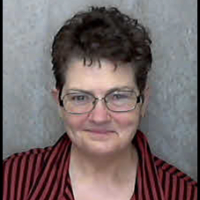
Eboney Roney
LPC
Calm, practical guidance for life’s hard moments
- Stress, Anxiety
- Trauma and abuse
- Self esteem
Clinical social work directory
182 therapists in this directory hold a licence issued in Texas and name EMDR among their approaches. Sessions are online; a US therapist can usually only see people in a state where they hold a licence, so check the credentials panel on each profile.
Welcome to the Texas page for online therapists on EMDR Therapy Directory. All therapists listed here hold a current license in Texas and indicate EMDR among the approaches they use.
Explore the listings to review credentials, approaches and languages so you can find a therapist who matches your needs.
LPC
Calm, practical guidance for life’s hard moments
LPC
Compassionate counselor for lasting change
LPC
Centered, practical therapy for everyday struggles
LPC
Supportive counselor focused on practical progress
LPC
Compassionate, practical support for life’s hard moments
LCSW
Compassionate, practical therapy for life challenges
LPC, LPCC
Calm, practical help for life’s hardest moments
LPC
Practical, steady support for anxiety and trauma
LPC
Practical trauma-informed therapy that teaches skills
LPC
Calm practical therapy for life’s stressors
LCSW
Experienced Texas LCSW focused on trauma recovery
LPC
Calm, practical therapy for everyday struggles
LPC
Compassionate counselor focused on practical tools
LPC
Calm, practical therapy for tough life moments
MD, LCSW-C, LCSW
Seasoned clinician blending medical insight and social work
LPC
Compassionate trauma and addiction counselor
LMFT
Relationship-focused therapist using EMDR and EFT
LCSW, LMSW
Trauma-informed social worker focused on recovery and growth
LPC
Practical, values-based therapy for everyday life
LPC
Practical, collaborative counseling with a warm style
LPC
Calm, practical support for emotional healing
LPC
A practical, respectful counselor for life transitions
LPC
Trauma-focused counselor with a compassionate style
LPC
Compassionate practical therapy for life's challenges
LCSW
Practical, brief sessions with everyday language
LPC
Experienced counselor with practical wellness focus
LPC
Calm, practical support for stress and trauma
LPC
Practical help for stress, trauma, and change
LCSW
Trauma-informed care for relationship and life challenges
LPC
Calm, practical counseling for life challenges
LPC
Compassionate trauma-informed online counselor
LPC
Helping people get unstuck with practical tools
LCSW, LICSW
Trauma-informed clinician focused on identity and recovery
LCSW
Practical, collaborative therapy for life challenges
LCMHC, LPC
Practical, collaborative counseling for life challenges
LPC
Practical strategies for clearer days and steadier moods
LPC
Compassionate trauma-informed counseling
LPC
Compassionate help for stress and trauma
Some links on this page are partner links. We will earn a commission if you sign up through one, at no cost to you. It does not change what you pay or the order of the listings.
If you are considering online therapy in Texas, you will find a growing number of licensed mental health professionals offering remote sessions across the state. Online care can be offered by clinicians whose primary license is issued by Texas regulatory bodies, and many clinicians list a range of therapeutic approaches on their profiles including EMDR among those they use. The availability of remote care means you can connect with a clinician from different parts of Texas - from major cities to more rural communities - without needing to travel long distances. Laws and rules govern where a clinician may practice, and licensed clinicians must follow Texas regulations when providing services to people located in the state.
When you search listings, each profile typically indicates the clinician's license type, professional credentials, languages spoken and the approaches they list. Profiles are a starting point to learn about a clinician's focus areas and how they describe their way of working. Because profiles reflect what clinicians choose to share, you may want to read several to understand how they describe their experience and how they talk about goals for therapy.
Online sessions are conducted with a range of platforms and formats, from real-time video to phone-based sessions and other supported communication tools. Your experience will depend on the clinician's approach to telehealth, whether they emphasize structured interventions or a more exploratory conversation, and how they integrate approaches such as EMDR among their methods. Regulations in Texas address professional boundaries, record keeping and informed consent when care is delivered remotely, so clinicians should provide clear information about how sessions are delivered and what to expect.
Online therapy offers practical benefits that matter for day to day life in Texas. You can access therapy from your home, workplace or another comfortable environment, which can reduce commute time and make it easier to fit sessions into a busy schedule. For people who live far from major metropolitan areas, remote sessions broaden the pool of clinicians you can consider. This wider pool can increase the chances of finding someone who lists EMDR among their approaches or who has experience with your particular concerns.
Beyond convenience, remote care can make it easier to maintain continuity if you move within Texas or have a job that requires travel. Online sessions also let you choose clinicians who speak your preferred language or who describe experience with specific populations or life stages. While the medium of online therapy is different from in-person work, many people find that a thoughtful therapeutic relationship can develop effectively through video or phone when both parties establish clear expectations and a reliable rhythm of sessions.
To make the most of online therapy, consider how you will create a comfortable environment for sessions and what technology will be used. Some clinicians will send guidance on lighting and sound, how to handle interruptions, and how to proceed if a technical issue arises. Asking about session length, frequency and how the clinician handles emergency situations will help you feel prepared before you begin.
Online therapists in Texas work with a wide range of concerns that many people bring to therapy. Common areas include managing anxiety and depression, coping with traumatic experiences, navigating relationship challenges, addressing life transitions such as career changes or parenting, and working through grief and loss. Clinicians who list EMDR among their approaches may also describe working with trauma-related symptoms or distress following specific events, while others may emphasize integrative work that combines different modalities to match a client's needs.
Because therapists list the approaches they use rather than formal certifications on many directories, you can focus on how they describe their work with particular issues. Look for language that explains the kinds of goals they help clients pursue, the populations they mention such as adolescents or older adults, and any specialty areas like perinatal mental health or work-related stress. This context helps you understand whether a clinician frames their practice in a way that aligns with what you are seeking.
Online therapy can be especially helpful when your primary needs involve talk-based interventions, skills practice, processing emotions or learning coping strategies. If your concerns include trauma processing or distress after a difficult event, therapists who list EMDR among their approaches may incorporate elements of that work into sessions. For some concerns that require in-person assessment or coordination with medical care, clinicians will explain how they handle referrals and collaboration with other providers in Texas.
Verifying a therapist's license is an important step in choosing a clinician. You can begin by noting the clinician's full name and the license type shown on their profile, such as Licensed Professional Counselor, Licensed Clinical Social Worker, Licensed Marriage and Family Therapist or Psychologist. Use the Texas state licensing resources and public license lookup tools to confirm that the license is current and issued by the appropriate Texas board. These public records typically show license status, issue and expiration dates, and whether any disciplinary actions are recorded.
Search for a clinician by name or license number to view official details. If you encounter a common name, you can narrow results by including city or license type. Reviewing the license record helps you understand the scope of practice associated with that license and whether the clinician is authorized to provide clinical services in Texas. If anything in the public record is unclear, you can contact the licensing office for clarification and guidance.
On a license lookup you should confirm that the license is active and valid in Texas and note the license type and any public notes about disciplinary history. The record will not typically describe therapeutic approaches, so you will rely on the clinician's profile or intake conversation to learn about how they work. Verifying the license ensures you are connecting with someone who holds the legal authorization to practice in the state and gives you a factual basis to ask further questions during an initial conversation.
Starting with online therapy can feel straightforward when you break it into a few steps. Begin by identifying what you want from therapy - whether it is symptom relief, support through a life change, trauma-focused work or a combination of objectives. Use the directory profiles to find clinicians who list relevant approaches, languages and populations. Read profile descriptions for clues about how a clinician frames collaboration, and note any logistical details such as session formats and fees that are shared.
When you reach out to clinicians, prepare a short summary of your goals and a few questions about how they work. You might ask how they describe their approach in practice, what kind of collaboration they expect from clients, and how they structure sessions over time. Because profiles indicate approaches rather than formal certifications, asking about the clinician's experience with particular methods and populations helps you determine fit. During an early conversation you can also get a sense of communication style, whether they explain methods in plain language and how they handle follow-up between sessions.
Trust your impressions as you review profiles and have initial conversations. Matching with a therapist often depends on how comfortable you feel discussing personal topics with them, how they explain their approach, and whether their stated focus areas align with your goals. You may find that a clinician who lists EMDR among their approaches frames trauma work in a way that resonates with you, or you may prefer someone whose description emphasizes skills-based coping or relational work. Either way, clear communication about goals, expectations and practical logistics will help you begin therapy with confidence.
As you move forward, keep a record of questions that matter most to you and revisit them after a few sessions. Therapy is a collaborative process and being proactive about the fit between you and a clinician improves the likelihood of a productive working relationship. If you need assistance interpreting licensing information or determining which license type matches your needs, state licensing offices can provide authoritative guidance.