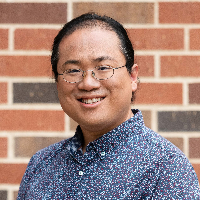
James Dinh, LCSW, LICSW
Texas · 9 years in practice
James Dinh is a clinical social worker who combines client-centered care with practical therapies to address trauma, anxiety, and identity concerns.
License and registration
- LCSW, Texas
- 61941 · expires May 2027
- LICSW, Washington
- LW61548945 · expires May 2027
- NPI
- 1184904385 · national provider identifier
- Years in practice
- 9
- Languages
- English
Details are as listed on the therapist's public professional profile. You can check the license with the issuing state board, and the NPI with the national registry.
About James
James Dinh is a clinical social worker who combines client-centered care with practical therapies to address trauma, anxiety, and identity concerns. James holds LCSW (Licensed Clinical Social Worker) in Texas and LICSW (Licensed Independent Clinical Social Worker) in Washington and brings nine years of clinical experience to each session.
James often uses Eye Movement Desensitization and Reprocessing, commonly called EMDR, to help people work through trauma. He also draws on cognitive behavioral techniques and acceptance-based strategies to manage anxiety, mood problems, and stress.
Background and approach
Sessions are shaped to fit each person's values and goals rather than a single method. Many people seek James for help with depression, relationship and intimacy issues, grief, and career stress. He also addresses concerns related to gender and sexuality, LGBT issues, and identity exploration.
Additional focus areas include obsessive-compulsive problems, panic attacks, mood disorders, and multicultural stressors. In sessions James makes space to process difficult feelings while also identifying small, concrete steps forward. He aims to balance listening with teaching skills that can be practiced between meetings.
Therapy may include short-term tools for coping and longer-term work on life changes and values-based living. James is openly queer, non-binary, and a person of color, and this perspective informs a respectful, culturally aware approach. Sessions are offered in English and are provided via online formats to fit different schedules.
Focus areas and approaches
Everything James lists on their public professional profile, in their own terms.
- Stress, Anxiety
- LGBT
- Trauma and abuse
- Coping with life changes
- Compassion fatigue
- Relationship issues
- Family conflicts
- Grief
- Intimacy-related issues
- Anger management
- Self esteem
- Career difficulties
- Bipolar disorder
- Depression
- Autism and Asperger Syndrome
- BDSM, kink, and alternative sex culture
- Communication problems
- Family of origin issues
- Forgiveness
- Gender dysphoria
- Guilt and shame
- Isolation / loneliness
- Mood disorders
- Multicultural concerns
- Obsessions, compulsions, and OCD
- Panic disorder and panic attacks
- Polyamory / non-monogamous relationships
- Post-traumatic stress
- Prejudice and discrimination
- Self-harm
- Self-love
- Sexual assault and abuse
- Sexuality
- Social anxiety and phobia
Approaches James names
- Eye Movement Desensitization and Reprocessing (EMDR)
- Acceptance and Commitment Therapy (ACT)
- Client-Centered Therapy
- Cognitive Behavioral Therapy (CBT)
- Dialectical Behavior Therapy (DBT)
- Mindfulness Therapy
- Motivational Interviewing
- Narrative Therapy
- Solution-Focused Therapy
Naming an approach is not evidence of training in it. This directory copies what each therapist lists and does not check training records.
Online support
Approaches that translate well to online therapy
James often uses EMDR to address traumatic memories and the distress they cause; EMDR helps people reduce the intensity of upsetting memories and related reactions. He also uses Cognitive Behavioral Therapy, which focuses on identifying unhelpful thoughts and trying different behaviors to change mood and stress. Acceptance and Commitment Therapy is another tool he draws on to clarify personal values and take committed steps toward a meaningful life while learning to live with difficult feelings.Choosing the right approach is a collaborative process. James will talk with clients about their goals, try methods that fit their personality, and adjust over time. Together they decide which techniques feel most helpful and practical for day-to-day life.
Online formats include video calls, phone sessions, live chat, and text-based messaging. Video calls allow a fuller face-to-face conversation, phone sessions work well when bandwidth is limited, and text or live chat can be useful for brief check-ins or skill practice between meetings. These options make it easier to fit therapy into work, family, or school schedules and provide flexibility for different communication preferences.
We will earn a commission if you sign up through our link, at no cost to you. It does not change what you pay or the order of the listings.
Questions people ask
What concerns does James typically help with?
James focuses on trauma, anxiety, depression, relationship and intimacy issues, grief, and identity-related concerns including gender and sexuality.
What is James' general approach in therapy?
He blends client-centered listening with practical methods like EMDR, cognitive behavioral techniques, and acceptance-based strategies to match each person's needs.
How much clinical experience does James have?
James has nine years of experience working with adults across a range of mental health and identity concerns.
What credentials and location are listed for James?
He is listed as LCSW and LICSW with a practice based in Texas while holding licensure in Washington as well.
In which language are sessions conducted?
Sessions are offered in English.
What session formats are available?
James offers video calls, phone sessions, live chat, and text-based messaging to accommodate different preferences.
How are fees and subscriptions handled?
Costs vary with location and therapist availability; sessions are delivered through a subscription model that can be canceled at any time.
How do I begin working with James?
Start by selecting the Start Therapy button, complete a short matching questionnaire, and then schedule sessions according to the therapist's availability.
More therapists in Texas
See allEboney Roney
LPC
Calm, practical guidance for life’s hard moments
- Stress, Anxiety
- Trauma and abuse
- Self esteem

Patricia Olachea Haessly
LPC
Compassionate counselor for lasting change
- Stress, Anxiety
- Relationship
- Family

Shelby Wright
LPC
Centered, practical therapy for everyday struggles
- Stress, Anxiety
- Relationship
- Family


Is this your profile?
Ask us to correct details or take the page down.
Contact us