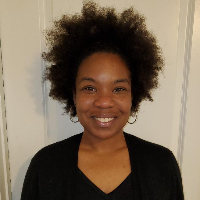
Mary Kallenbach
LCMHC
Experienced counselor who uses practical therapies
- Stress, Anxiety
- Relationship
- Trauma and abuse
Clinical social work directory
64 therapists in this directory hold a licence issued in North Carolina and name EMDR among their approaches. Sessions are online; a US therapist can usually only see people in a state where they hold a licence, so check the credentials panel on each profile.
Welcome to the North Carolina section of EMDR Therapy Directory. All therapists listed here are licensed clinicians who list EMDR among their approaches. Explore profiles to review credentials, specialties and session formats that may fit your needs.
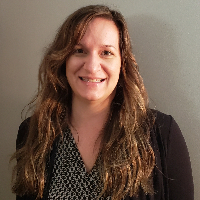
LCMHC
Experienced counselor who uses practical therapies
LCSW
Trauma-informed LCSW focused on practical support
LCSW
Resilient-focused trauma and behavior support
LCMHC
Calm guidance for stress and trauma recovery
LCSW
Compassionate, practical therapy for life changes
LCSW
Compassionate trauma-informed therapist
LCSW, CSW
Supportive LCSW helping people move forward
LCMHC
Practical, person-focused care for life’s toughest moments
LCMHC
Experienced counselor focused on practical healing
LCSW
Experienced LCSW focused on practical healing
LCMHC
Trauma-informed counselor focused on recovery
LPCC, LPC
Compassionate therapist focused on practical change
LCSW
Compassionate, practical therapy for life’s storms
LCSW
Therapist blending trauma-informed care and practical skills
LCSW
Compassionate coaching for stress and trauma
LCSW
Practical, collaborative care for trauma and stress
LCMHC
Practical, strengths-based therapy for life challenges
LCSW, LICSW
Compassionate care for trauma and life stress
LCSW
Calm, practical therapy for stress and trauma
LCMHC, LMFT
Experienced therapist focusing on practical healing
LCMHC
Practical, values-focused therapy with EMDR options
LCSW
Compassionate trauma-informed therapist
LCMHC
Practical, person-focused therapy for trauma and life stress
LCSW
Practical, compassionate therapy for life challenges
LCSW
Compassionate, practical therapy with EMDR-informed care
LCSW
Gentle, practical therapy with trauma awareness
LCSW
Calm, goal-focused therapy with practical tools
LCMHC
Supportive counselor focused on practical progress
LCMHC
Therapist who blends skills and practical tools
LMFT
Practical, trauma-informed therapy focused on healing
LCSW
Trauma-informed, person-centered care
LCSW
Compassionate trauma-informed care with practical tools
LMFT
Trauma-informed therapist focused on relationships
LMHC, LCMHC
Integrative talk and expressive arts therapy
LCMHC, LMHC
Experienced counselor focused on trauma recovery
LCMHC
Practical, respectful therapy for stress and trauma
LCMHC, LMFT
Practical, steady support for anxiety and trauma
LPC, LCMHC
Practical support for stress, trauma, and change
LCMHC
Compassionate, practical therapy for adults
LCSW
Experienced LCSW blending clinical and practical care
LCMHC
Warm, practical counseling for family and trauma concerns
LPC, LCMHC
Compassionate counselor for life transitions
LCSW
Compassionate, practical therapy for real-life struggles
Some links on this page are partner links. We will earn a commission if you sign up through one, at no cost to you. It does not change what you pay or the order of the listings.
If you live in North Carolina and are considering online therapy, you will find a range of clinicians offering remote sessions across the state. State licensing rules allow mental health professionals to provide teletherapy when they hold a North Carolina license or meet requirements for practicing with residents of the state. That means you can search for counselors, social workers, marriage and family therapists, and psychologists who identify telehealth or online sessions in their profiles. Many describe the approaches they use, and you will see practitioners who list EMDR among their approaches alongside other modalities. Online therapy can be delivered via video, phone, or asynchronous messaging depending on a therapist's practice model and your preferences.
Online therapy can make accessing care more convenient, especially if you live in a rural county, have limited transportation options, or manage a busy schedule. When you work with an online therapist you can attend sessions from your home, office, or another comfortable environment without traveling long distances. This flexibility can reduce the time cost of care and make it easier to maintain a consistent schedule. For some people online sessions feel less formal, which can help you open up sooner. Others appreciate the ability to connect with clinicians who share language skills, cultural backgrounds, or specialized approaches that may not be available locally.
Technology also allows for creative session structures. You might coordinate shorter check-ins between longer sessions, combine video work with emailed worksheets, or use digital tools a therapist recommends. While remote work is not a fit for every clinical need, it expands your options and often makes it easier to find a clinician whose approach resonates with you.
Online therapists in North Carolina work with a broad range of concerns that include stress, anxiety, depression, relationship challenges, life transitions, grief, trauma-related symptoms, and adjustments related to work or family. Many clinicians describe specialties such as trauma-focused care, anxiety management, mood concerns, and relationship work. If you are exploring EMDR approaches specifically, you will encounter therapists who list EMDR among their approaches; some combine that approach with cognitive-behavioral strategies, mindfulness-informed work, or psychodynamic perspectives. The remote format can be suitable for processing difficult memories, practicing emotion regulation strategies, and developing tools to manage day-to-day symptoms when both you and the clinician agree that online sessions are appropriate.
It is important to note that not all issues are best addressed exclusively online. Your therapist can discuss whether remote sessions are appropriate for your situation and, when needed, offer guidance about in-person resources in North Carolina. Many clinicians also coordinate care with local medical providers when a collaborative approach is helpful.
Before starting with an online therapist, it is helpful to confirm licensure and the scope of practice. North Carolina maintains online license lookup tools for mental health professions that allow you to verify a clinician's status, license type, and any public disciplinary history. When you view a therapist profile you can note the license listed and then use the state board's search function to confirm that information. The license record will typically show the issuing board, the credential type, and whether the license is active or has restrictions. Checking a license provides reassurance that a clinician is authorized to practice in the state.
In addition to verifying a license, you may want to review the professional's listed education, years in practice, clinical interests, and languages spoken. Profiles often include a short statement about therapeutic approach and the populations a clinician commonly sees. Remember that a therapist describing EMDR among their approaches is indicating an area they work with, not a licensing credential. If you have questions about training or methods, you can ask the clinician directly during an initial conversation so you understand how they integrate different approaches into care.
Begin by clarifying what matters most to you in a therapist - for example, a clinician who lists experience working with trauma, someone who speaks a particular language, or a therapist who offers evening video sessions. Use those priorities to filter profiles and read clinician statements so you can form a short list. When you contact a therapist or their practice, ask about their session format, typical session length, methods they use, and whether they work with issues similar to yours. It is appropriate to ask how they handle emergencies and what options exist if you need in-person support in North Carolina. A clear conversation up front helps you understand whether their approach fits your needs.
Decide what technology you are comfortable using. Many therapists use supported video platforms that work in a web browser or through a mobile app. Make sure your device has a reliable internet connection, good lighting, and a headset or speakers so audio is clear. Think about where you will sit for sessions - a quiet, interruption-free room or a quiet space in your home where you feel comfortable sharing. If you use insurance, review the therapist's listing for insurance acceptance or ask about fee policies and any sliding scale options. You can also inquire about paperwork and whether initial forms will be completed online prior to your first session. Taking these practical steps will make the start of care smoother for both you and the clinician.
Choosing a therapist is a personal decision and it is reasonable to trust your instincts as you review profiles. Read clinician biographies and pay attention to language that resonates with you. Notice whether a therapist mentions populations or concerns that align with your situation, and whether they describe an approach that fits your preferences - some people prefer a skills-based approach, while others seek a more insight-oriented process. Consider cultural competence and whether a clinician's background or language skills will help you feel understood. If a therapist lists EMDR among their approaches and that method is important to you, ask how they incorporate it into sessions and what to expect in an initial phase of care.
After an initial conversation, reflect on how the interaction felt. Did the clinician listen to your concerns and explain their approach in a way you understood? Did they outline practical steps and answer your questions thoughtfully? You do not need to commit long term right away. Many people try a few sessions to see if the therapist's style aligns with their goals. If something does not feel like a fit, it is reasonable to seek a different clinician whose practice is a better match. The right therapeutic relationship is one where you feel respected, heard, and able to engage in the work you want to do.
Finding an online therapist in North Carolina can expand your options and make it easier to connect with clinicians who list EMDR among their approaches or who focus on the issues that matter most to you. By verifying licensure, preparing for remote sessions, and reflecting on fit, you can take clear steps toward starting care in a way that supports your goals and circumstances.