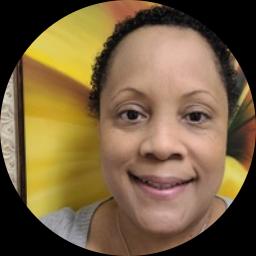
Darlene Hill, LMHC
Washington · 8 years in practice
Darlene Hill is a Licensed Mental Health Counselor (LMHC) who uses practical therapies to help people move forward after hard events.
License and registration
- LMHC, Washington
- LH61176686 · expires August 2026
- NPI
- 1629435425 · national provider identifier
- Years in practice
- 8
- Languages
- English
Details are as listed on the therapist's public professional profile. You can check the license with the issuing state board, and the NPI with the national registry.
About Darlene
Darlene Hill is a Licensed Mental Health Counselor (LMHC) who uses practical therapies to help people move forward after hard events. She focuses on clear strategies to reduce anxiety, manage stress, and address depression and trauma. Her style aims to make change feel possible, one step at a time.
She draws on Cognitive Behavioral Therapy to identify unhelpful thoughts and build new coping habits. Eye Movement Desensitization and Reprocessing (EMDR) is part of her work when past distress affects daily life.
Background and approach
Motivational Interviewing and Solution-Focused Therapy help people find motivation and set manageable goals. Clients often bring concerns such as relationship and intimacy challenges, grief, sleep problems, anger, or struggles with self-esteem. She also supports people facing addiction, career transitions, and life changes like separation or loss.
Additional focuses include attachment and abandonment issues, communication problems, and multicultural or prejudice-related stressors. With eight years of clinical experience in Washington, she approaches sessions in a straightforward way. Conversations center on what is most pressing and what can help in the coming days and weeks.
Sessions aim to be practical, with tools and small experiments to try between meetings. Therapy options include video, phone, live chat, and text-based messaging. Sessions are scheduled through a subscription model that can be canceled at any time.
To begin, users complete a short matching questionnaire and schedule according to therapist availability.
Focus areas and approaches
Everything Darlene lists on their public professional profile, in their own terms.
- Stress, Anxiety
- Relationship issues
- Trauma and abuse
- Grief
- Depression
- Addictions
- LGBT
- Family conflicts
- Intimacy-related issues
- Sleeping disorders
- Anger management
- Self esteem
- Career difficulties
- Coping with life changes
- ADHD
- Abandonment
- Attachment issues
- Communication problems
- Control issues
- Divorce and separation
- First responder issues
- Forgiveness
- Guilt and shame
- Infidelity
- Isolation / loneliness
- Life purpose
- Veteran and Armed Forces Issues
- Multicultural concerns
- Post-traumatic stress
- Prejudice and discrimination
- Women's issues
- Workplace issues
- Young adult issues
Approaches Darlene names
- Eye Movement Desensitization and Reprocessing (EMDR)
- Cognitive Behavioral Therapy (CBT)
- Motivational Interviewing
- Solution-Focused Therapy
Naming an approach is not evidence of training in it. This directory copies what each therapist lists and does not check training records.
Online support
Therapeutic approaches and online care
She uses Cognitive Behavioral Therapy to help people notice thoughts and habits that keep problems going and then build practical alternatives. CBT sessions often include small homework tasks and skills to try between meetings.She also incorporates Eye Movement Desensitization and Reprocessing, or EMDR, when past events continue to cause distress. EMDR is used to reduce the intense reactions tied to painful memories and make them easier to manage in daily life.
Choosing an approach is a team effort. The therapist talks with each person about goals, preferences, and what feels most helpful. Treatment is adjusted over time so techniques match the client’s needs and pace.
Online formats include video calls, phone sessions, live chat, and text-based messaging to offer flexibility. Video is useful for deeper conversational work and guided exercises, phone can be easier when bandwidth is limited, live chat works for shorter check-ins, and messaging supports ongoing contact and brief reflections between sessions. These options make it easier to fit therapy into work, family, and travel schedules while keeping the focus on progress and practical change.
We will earn a commission if you sign up through our link, at no cost to you. It does not change what you pay or the order of the listings.
Questions people ask
What kinds of concerns does Darlene address?
She helps people managing stress, anxiety, depression, trauma and abuse. Other areas include grief, sleep troubles, anger, addiction, relationship and intimacy-related issues.
How would you describe her therapeutic style?
Her approach is practical and collaborative. She uses structured tools and conversational coaching to set small, achievable goals.
What experience does she bring to sessions?
She has eight years of clinical experience working with adults on a range of concerns including post-traumatic stress and life transitions.
What are her credentials and where is she based?
She is a Licensed Mental Health Counselor - LMHC - practicing in Washington.
Which languages are supported for sessions?
Sessions are offered in English.
What session formats are offered?
She provides video calls, phone sessions, live chat, and text-based messaging to suit different needs and schedules.
How does pricing work for therapy with her?
Cost varies with location and therapist availability; sessions are provided through a subscription that can be canceled at any time.
How do I begin working with her?
Start by selecting the Start Therapy button, completing a brief matching questionnaire, and then scheduling sessions based on therapist availability.
More therapists in Washington
See allTina Resneck
LMHC
Warm, practical support for trauma and life change
- LGBT
- Trauma and abuse
- Self esteem

Debra "Debbie" Briggs
LMHC
Calm, practical support for trauma and anxiety
- Stress, Anxiety
- Trauma and abuse
- Self esteem

Benjamin Di Biase
LICSW
Practical, collaborative therapy for real-life struggles
- Stress, Anxiety
- Relationship
- Family

Is this your profile?
Ask us to correct details or take the page down.
Contact us