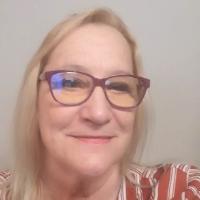
Carole LaFreniere, LCSW, CSW
Kansas · 8 years in practice
Carole LaFreniere, LCSW, CSW, helps people facing stress, anxiety, depression, trauma, grief, and relationship or intimacy concerns.
License and registration
- LSCSW, Kansas
- LSCSW 05454 · expires May 2027
- LCSW, Colorado
- CSW.09930309 · expires August 2027
- LCSW, New Hampshire
- 3900 · expires June 2028
- LCSW, Wisconsin
- 12247-123 · expires February 2027
- NPI
- 1326667288 · national provider identifier
- Years in practice
- 8
- Languages
- English
Details are as listed on the therapist's public professional profile. You can check the license with the issuing state board, and the NPI with the national registry.
About Carole
Carole LaFreniere, LCSW, CSW, helps people facing stress, anxiety, depression, trauma, grief, and relationship or intimacy concerns. She also supports those managing addiction, ADHD, career strain, compassion fatigue, and life transitions. Carole practices in Wisconsin and brings eight years of experience to her work.
She focuses on building a trusting, collaborative relationship. Sessions are practical and goal-oriented. Carole uses talk, skills practice, and guided exercises to address problems people bring into the room.
Background and approach
Her style blends cognitive behavioral ideas with client-centered listening and mindfulness practices. She also uses Eye Movement Desensitization and Reprocessing, or EMDR, when appropriate for trauma work. The aim is to tailor approaches to each person’s needs rather than a one-size-fits-all plan.
Carole values a strengths-based view and considers the whole person and their environment. She works with people to set realistic goals and to try small changes that add up over time. She keeps a sense of humor and a nonjudgmental stance during sessions.
Her schedule includes evening and weekend appointments to suit working adults. Carole asks new clients to start with a short matching questionnaire so she can get a sense of goals and fit before scheduling.
Focus areas and approaches
Everything Carole lists on their public professional profile, in their own terms.
- Stress, Anxiety
- Trauma and abuse
- Grief
- Self esteem
- Depression
- Addictions
- LGBT
- Relationship issues
- Family conflicts
- Intimacy-related issues
- Parenting issues
- Anger management
- Career difficulties
- Bipolar disorder
- Coping with life changes
- Coaching
- Compassion fatigue
- ADHD
- Aging and geriatric issues
- Autism and Asperger Syndrome
- Caregiver issues and stress
- Communication problems
- Control issues
- Divorce and separation
- Drug and alcohol addiction
- Forgiveness
- Guilt and shame
- Hospice and end-of-life counseling
- Immigration issues
- Isolation / loneliness
- Life purpose
- Midlife crisis
- Veteran and Armed Forces Issues
- Panic disorder and panic attacks
- Postpartum depression
- Post-traumatic stress
- Pregnancy and childbirth
- Seasonal Affective Disorder (SAD)
- Self-love
- Sexual assault and abuse
- Social anxiety and phobia
- Women's issues
- Young adult issues
Approaches Carole names
- Eye Movement Desensitization and Reprocessing (EMDR)
- Acceptance and Commitment Therapy (ACT)
- Client-Centered Therapy
- Cognitive Behavioral Therapy (CBT)
- Mindfulness Therapy
- Narrative Therapy
- Solution-Focused Therapy
- Trauma-Focused Therapy
Naming an approach is not evidence of training in it. This directory copies what each therapist lists and does not check training records.
Online support
How Carole’s approaches work in online therapy
Carole commonly uses Cognitive Behavioral Therapy, Acceptance and Commitment Therapy, and EMDR for trauma. CBT helps people notice unhelpful thoughts and try new behaviors to reduce symptoms like anxiety or depression. Acceptance and Commitment Therapy focuses on values and small actions that move a person toward a meaningful life while teaching ways to accept difficult feelings. EMDR is used with trauma to process painful memories using bilateral stimulation alongside talk work when appropriate.Finding the right approach is a team effort. The therapist and client discuss goals, preferences, and what has or hasn’t worked before. Together they try methods and adjust over time so the plan fits the person’s needs and pace.
Online sessions offer flexibility through video calls, phone visits, live chat, and text messaging. Video is useful for deeper conversations and EMDR work that benefits from visual contact, while phone calls can be easier when bandwidth is limited. Live chat or text can support short check-ins, homework review, or coaching-style messages between longer sessions. These options make it easier to fit therapy into evenings, weekends, or busy schedules.
We will earn a commission if you sign up through our link, at no cost to you. It does not change what you pay or the order of the listings.
Questions people ask
What issues does she address?
Carole works with stress, anxiety, depression, trauma and abuse, grief, self-esteem, addictions, relationship and intimacy issues, parenting concerns, ADHD, and related life changes.
How would you describe her therapy style?
She uses a collaborative, strengths-based style that combines listening with practical skill building and problem solving. Sessions aim to set clear goals and try manageable changes.
What is her professional background?
Carole has eight years of experience in mental health, including work with inpatient psychiatric settings and individual clients in the community.
What credentials and location information are listed?
She holds LCSW and CSW credentials and practices in Wisconsin.
Which languages and international options are available?
Sessions are offered in English and she is not accepting international clients.
What session formats are offered?
Carole meets by video calls, phone sessions, live chat, or text-based messaging to fit different needs and schedules.
How does cost and payment work?
Costs vary with location and therapist availability; sessions use a subscription that can be canceled at any time.
How do I begin working with her?
Start by selecting the Start Therapy button, complete a short matching questionnaire, and then schedule according to therapist availability.
More therapists in Wisconsin
See allHolly Gardenier
LPC
Compassionate counselor for trauma and life change
- Addictions
- LGBT
- Trauma and abuse

Linda Richards
LPC
Helping people move past repeating stuck patterns
- Stress, Anxiety
- Relationship
- Family

Nicole Lewandowski
LCSW
Compassionate LCSW offering trauma-informed care
- Stress, Anxiety
- Trauma and abuse
- Grief

Steven Kirkilas
LCSW, CSW
Practical, trauma-aware social worker
- Stress, Anxiety
- Trauma and abuse
- Anger

Is this your profile?
Ask us to correct details or take the page down.
Contact us