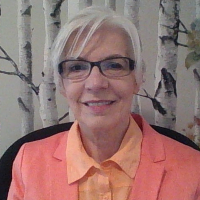
Terrianne Yanulavich
LMHC
Calm, practical support for life and trauma
- Stress, Anxiety
- Relationship
- Trauma and abuse
Clinical social work directory
47 therapists in this directory hold a licence issued in New York and name EMDR among their approaches. Sessions are online; a US therapist can usually only see people in a state where they hold a licence, so check the credentials panel on each profile.
Welcome to our directory of online therapists serving New York. All therapists listed here are licensed; explore the profiles to compare approaches, credentials, languages, and experience.
LMHC
Calm, practical support for life and trauma
NY Psychoanalyst
Experienced New York psychoanalyst blending skills and depth
LCSW
Therapist focused on trauma and life change
LMHC
Compassionate practical support for life challenges
LCSW
Practical support for trauma and relationships
LMHC
Practical, collaborative therapy for life’s challenges
LCSW, LMHC
Experienced, practical therapy for life changes
LCSW
Practical trauma-informed therapy with cultural awareness
LMHC
Calm, practical support for life’s hard moments
LMHC
Practical trauma-informed counseling with mindfulness
LCSW
Practical, long‑time LCSW focused on recovery
LMHC
Practical, experienced counseling for life challenges
LCSW
Compassionate, experienced social worker focused on practical change
LCSW-R
Experienced LCSW focused on trauma and coping
LCSW
Compassionate therapist focused on practical change
LMHC
Grounded, practical support for life’s challenges
LMHC
Practical, culturally aware trauma and relationship care
LMHC
Calm, practical therapy for life’s hard moments
LMHC
Trauma-informed counselor focused on practical change
LCSW
Practical, experienced care for trauma and relationships
NY Psychologist
Practical, collaborative therapy for everyday struggles
LMHC
Calm, direct therapy focused on real-life change
LMHC
Practical, person-focused counseling in New York
LMHC
Compassionate, practical support for life changes
LCSW
Compassionate social worker focused on healing relationships
LCSW
Compassionate practical therapy for life challenges
LCSW
Compassionate practical therapy for everyday struggles
LMHC, LPCC
Experienced therapist for relationship and trauma recovery
LMHC
Focused practical therapy for everyday challenges
LMHC
Compassionate, practical therapy focused on trauma recovery
LMHC
Practical, person-centered therapy for real life
LCSW
Person-focused therapy for trauma and work stress
LMHC, LPCC
Direct, practical support for trauma and anxiety
LCSW
Straightforward therapy focused on trust and practical change
LCSW
Experienced LCSW for trauma and mood support
LMHC
Client-centered counselor using practical trauma tools
NY Psychologist
Experienced New York psychologist focused on healing
LCSW
Compassionate, practical therapy with EMDR available
LMHC
Focused, practical care for anxiety and life changes
Some links on this page are partner links. We will earn a commission if you sign up through one, at no cost to you. It does not change what you pay or the order of the listings.
Online therapy has become a common way to meet with a clinician in New York, offering sessions by video, phone, or messaging. In recent years, state rules and professional practices have evolved to support remote work between practitioners and people seeking help, making it easier for you to connect from home, work, or another location within the state. Many practitioners list a variety of approaches and specialties on their profiles, and you will find therapists who list EMDR among their approaches as well as those who note other modalities and areas of focus. While the technology and formats vary, what matters most is how a therapist’s methods, credentials, and communication style align with your needs.
If you live in New York City, upstate, or any part of the state, online therapy can reduce travel time and broaden the pool of clinicians you can consider. Practitioners may provide services in multiple languages, work with specific age groups, or describe specialties such as trauma, anxiety, mood concerns, relationship issues, grief, or life transitions. Your search can focus on those criteria to narrow the list of profiles you view. This page is meant to help you understand what to expect when seeking online therapy in New York and how to make an informed choice.
Choosing online therapy can offer practical advantages that fit into your daily life in New York. You may spend less time commuting across busy streets or between boroughs and more time engaging in sessions that fit your schedule. For people balancing work, family, or school, remote sessions can make ongoing care more manageable. Online formats can also allow you to continue seeing the same therapist if you move within the state for work or school, as many clinicians maintain services for clients who remain in New York.
Beyond convenience, online therapy can expand access to clinicians who speak your preferred language or who have experience with the particular issues you want to address. If you live in a rural or underserved area of the state, remote sessions can connect you with practitioners in other regions without the need for long travel. You may also find that certain communication formats - whether video calls that resemble in-person visits or text-based messaging that lets you write between sessions - better match your comfort level and style. Ultimately, the value of online therapy comes from the therapeutic relationship and how well the clinician’s approach fits your goals.
Online therapists in New York often work with a wide range of concerns similar to those addressed in traditional in-person settings. Many people seek support for stress related to work, school, and family life, as well as anxiety and depressive symptoms that affect daily functioning. Others look for help navigating relationship challenges, parenting issues, or major life transitions such as relocation, career change, or the end of a relationship. Therapists in the directory commonly describe experience with trauma-related concerns and bereavement, and some list EMDR among their approaches as one option they use with appropriate clients.
Therapists may also work with people who want to build coping skills, manage chronic health conditions that affect mood, or develop healthier habits and boundaries. Some clinicians focus on identity-related issues, including sexual orientation, gender identity, cultural background, or immigration-related stress. Because practitioners describe a variety of specialties and approaches, you can look for profiles that emphasize the issues most relevant to you and read how clinicians explain their ways of working. This will help you decide who might be a good fit for the specific challenges you want to address.
Verifying a therapist’s license is an important step in choosing a clinician. In New York, licensed mental health practitioners fall under regulatory oversight by the state, and you can use the state’s license lookup tools to confirm that a clinician holds an active license to practice. When you view a profile, note the type of license a clinician lists - for example, licensed clinical social worker, licensed psychologist, licensed mental health counselor, or licensed marriage and family therapist - and use the state’s public license verification service to confirm the license status and any public disciplinary history.
When checking a license, you will typically see the license type, the expiration date, and whether any actions are recorded. If you are unsure how to interpret the information you find, you can contact the appropriate state office for clarification. It also helps to review a therapist’s listed credentials and education on their profile and to ask questions directly about their background during an initial conversation. While a profile description indicates the approaches a clinician lists, such as EMDR or other modalities, note that those listings reflect what the therapist advertises rather than a separate verification of training or certification in that modality.
Starting with an online therapist begins with identifying what matters most to you in a clinician. Think about the challenges you want to address, any preferences for communication style, and practical considerations like language or cultural background. Use the directory filters to find profiles that describe approaches and focus areas that match your goals. Reading several profiles gives you a sense of how clinicians describe their work and what you might expect in sessions.
When you reach out to a therapist, you can ask about their general approach, the populations they work with, and how they structure sessions. Many therapists will describe whether they prefer video, phone, or messaging formats and how they handle scheduling and fees. During an initial conversation, you can discuss your goals and ask questions about how the therapist typically supports clients with similar concerns. Treat this first interaction as an opportunity to assess communication style and rapport rather than as a test of the therapist’s expertise.
Choosing a therapist is a personal decision that hinges on fit as much as on credentials. Start by clarifying your goals - whether you want symptom relief, long-term personal growth, or help with a specific life transition. Look for therapists who describe experience with those goals and whose profiles convey a therapeutic approach that resonates with you. Pay attention to how clinicians describe their work with particular populations, their language offerings, and whether they explain session formats that match how you like to communicate.
When you speak with potential therapists, notice how they respond to your questions and whether their style feels respectful and attuned to your concerns. It is reasonable to ask about the therapist’s experience working with issues like trauma, relationship difficulties, or anxiety, and to request examples of typical strategies they use. Keep in mind that a therapist’s profile indicating EMDR among their approaches does not replace asking about how they integrate that method into care. Finally, give yourself permission to try a few different clinicians before settling on someone you feel comfortable with. The right match often depends on the personal rapport you build and how supported you feel in pursuing your goals.
As you explore online therapists in New York, remember that the directory helps you narrow options based on approach, focus areas, credentials, and languages. Use the information in profiles to guide your questions and listen for how a therapist describes the therapeutic relationship and the practical details of telehealth sessions. If you have specific needs related to culture, identity, or life circumstances, seek clinicians who explicitly address those topics in their descriptions. Making an informed choice takes time, and beginning with clear goals and thoughtful questions will help you find a clinician whose approach matches what you are looking for.
Starting therapy is a step toward making changes you want in your life. Whether you are exploring EMDR as one of several approaches listed by clinicians or seeking other therapeutic methods, focusing on fit, licensure verification, and clear communication will help you navigate the process with confidence. Use the listings to learn about therapists who serve New York and reach out to begin a conversation about how they might support your goals.