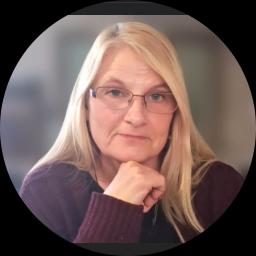
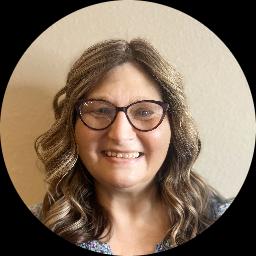
Tracy Rider, LMHC
New York · 10 years in practice
Tracy Rider is a New York licensed clinical mental health counselor who helps people handle stress, anxiety, trauma and abuse, anger, low self-esteem, and big life changes.
License and registration
- LMHC, New York
- 007933 · expires June 2028
- NPI
- 1174068183 · national provider identifier
- Years in practice
- 10
- Languages
- English
Details are as listed on the therapist's public professional profile. You can check the license with the issuing state board, and the NPI with the national registry.
About Tracy
Tracy Rider is a New York licensed clinical mental health counselor who helps people handle stress, anxiety, trauma and abuse, anger, low self-esteem, and big life changes. She brings a calm, direct style to sessions and focuses on practical steps that fit each person's life. Tracy aims to build safety and steady progress so people can feel more in control again.
Her approach blends several ways of working to meet individual needs.
Background and approach
She uses cognitive behavioral techniques to spot unhelpful thoughts and try new responses. Narrative work helps people separate themselves from painful stories and see different possibilities. Tracy also uses Eye Movement Desensitization and Reprocessing, a trauma-focused method, when it fits a person's goals.
Tracy draws on ten years of professional experience and holds the LMHC credential, which means she is a New York licensed clinical mental health counselor. Her background includes time supporting veterans and volunteer counseling work, which shaped how she responds to trauma and stress. She values a respectful, collaborative process and tailors sessions to what each person actually needs.
Sessions are paced to match readiness and real-life demands. Messaging between sessions is used as a supplement when helpful. Tracy encourages small, manageable steps and practical strategies people can try between meetings to build confidence and reduce overwhelm.
People who choose her work with someone who listens, offers clear tools, and adapts methods to their situation. The aim is steady, achievable change rather than quick fixes. Tracy focuses on helping people reclaim day-to-day functioning and a clearer sense of purpose.
Focus areas and approaches
Everything Tracy lists on their public professional profile, in their own terms.
- Stress, Anxiety
- Trauma and abuse
- Anger management
- Self esteem
- Coping with life changes
- Attachment issues
- Chronic pain, illness, and disability
- Communication problems
- Coping with natural or human-caused disaster
- Dissociation
- Domestic violence
- First responder issues
- Guilt and shame
- Life purpose
- Narcissism
- Post-traumatic stress
- Pregnancy and childbirth
- Women's issues
Approaches Tracy names
- Eye Movement Desensitization and Reprocessing (EMDR)
- Cognitive Behavioral Therapy (CBT)
- Existential Therapy
- Gottman Method
- Narrative Therapy
- Psychodynamic Therapy
- Trauma-Focused Therapy
- Internal Family Systems
Naming an approach is not evidence of training in it. This directory copies what each therapist lists and does not check training records.
Online support
How specific approaches translate to online work
Tracy often uses cognitive behavioral therapy to help people identify unhelpful thinking patterns and try new behaviors. CBT is practical and goal-oriented, which can be useful for anxiety, stress, and managing everyday symptoms. Narrative therapy is another tool she uses; it helps people separate themselves from painful stories and rewrite how they see their experiences, which supports healing from trauma and shame.She also includes Eye Movement Desensitization and Reprocessing when appropriate. EMDR focuses on reducing the intensity of traumatic memories so daily life feels less overwhelmed by past events. Which approach to emphasize is decided together, based on the person's goals, history, and what feels most comfortable; Tracy sees finding the right mix as a collaborative process rather than a preset plan.
Online sessions are offered via video calls, phone sessions, live chat, or text-based messaging to make therapy flexible. Video allows face-to-face conversation and visual cues. Phone can be easier when bandwidth is limited or for shorter check-ins. Live chat and text messaging let people share between sessions in writing and fit therapy around work or caregiving demands. These options help therapy fit into busy lives while keeping the focus on steady progress and practical tools.
We will earn a commission if you sign up through our link, at no cost to you. It does not change what you pay or the order of the listings.
Questions people ask
What concerns does Tracy commonly address?
She supports people dealing with stress, anxiety, trauma and abuse, anger, self-esteem, and coping with life changes, plus related issues like attachment, chronic illness, dissociation, and post-traumatic stress.
How would you describe her therapy style?
Her style is calm, direct, and collaborative. She focuses on practical steps and adapts approaches to match each person's needs and pace.
What is her professional background?
Tracy has ten years of clinical experience and a history of volunteer counseling with veterans. Her work has been shaped by long-term personal and professional experience with chronic illness and caregiving roles.
What credentials and location apply to her practice?
She holds the LMHC credential as a New York licensed clinical mental health counselor and practices from New York.
Which languages and international options are available?
Sessions are offered in English. International clients are not currently accepted.
What session formats are offered?
She connects by video calls, phone sessions, live chat, and text-based messaging, with messaging used as a supportive supplement between scheduled sessions.
How does cost and billing work?
Cost varies with location and therapist availability; sessions use a subscription model that can be canceled at any time.
What are the first steps to begin working together?
Use the Start Therapy button, complete a short matching questionnaire, and then schedule sessions based on therapist availability.
More therapists in New York
See allTerrianne Yanulavich
LMHC
Calm, practical support for life and trauma
- Stress, Anxiety
- Relationship
- Trauma and abuse
Dr. Sung Ho Kim
NY Psychoanalyst
Experienced New York psychoanalyst blending skills and depth
- Stress, Anxiety
- Relationship
- Trauma and abuse
Richard Strand
LCSW
Therapist focused on trauma and life change
- Stress, Anxiety
- Addictions
- Trauma and abuse
Tammy Piazza
LMHC
Compassionate practical support for life challenges
- Stress, Anxiety
- Addictions
- Trauma and abuse
Is this your profile?
Ask us to correct details or take the page down.
Contact us