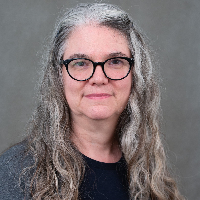
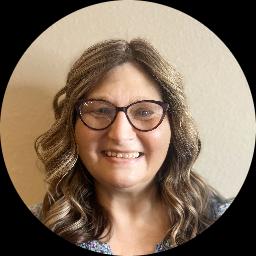
Christine Wagner, LMHC
New York · 20 years in practice
Christine Wagner is a licensed mental health counselor with 20 years of experience.
License and registration
- LMHC, New York
- 004701 · expires May 2028
- NPI
- 1801482559 · national provider identifier
- Years in practice
- 20
- Languages
- English
Details are as listed on the therapist's public professional profile. You can check the license with the issuing state board, and the NPI with the national registry.
About Christine
Christine Wagner is a licensed mental health counselor with 20 years of experience. She offers calm, practical support for stress, anxiety, trauma, grief, relationship strain, parenting worries, and LGBT-related concerns. She also helps people facing chronic illness or pain, gender dysphoria, post-traumatic stress, and the everyday shifts that come with young adulthood.
Christine practices in New York and conducts sessions in English. Christine aims to meet people where they are and keep things simple in sessions.
Background and approach
She listens closely, helps people name what matters to them, and suggests small steps to try between meetings. Her style feels collaborative and down-to-earth rather than overly clinical. Her work draws on Acceptance and Commitment Therapy, Dialectical Behavior Therapy, and Eye Movement Desensitization and Reprocessing.
She also uses client-centered principles and mindfulness practice to help people build coping skills, manage strong emotions, and process difficult memories. Mindfulness is a regular part of her approach and personal practice. Much of Christine's background is in hospital and outpatient behavioral health settings.
She began providing telehealth counseling in March 2020 and continues to offer remote formats alongside other options. She is also an adjunct professor and brings a teaching mindset to her clinical work, explaining techniques clearly and helping people practice them. People who choose to work with her can expect individualized care that focuses on practical changes.
Christine emphasizes collaboration, steady pacing, and real-world tools so people can try new ways of coping between sessions.
Focus areas and approaches
Everything Christine lists on their public professional profile, in their own terms.
- Stress, Anxiety
- LGBT
- Family conflicts
- Trauma and abuse
- Depression
- Relationship issues
- Grief
- Parenting issues
- Coping with life changes
- Compassion fatigue
- Chronic pain, illness, and disability
- Gender dysphoria
- Post-traumatic stress
- Sexuality
- Traumatic brain injury
- Women's issues
- Young adult issues
Approaches Christine names
- Eye Movement Desensitization and Reprocessing (EMDR)
- Acceptance and Commitment Therapy (ACT)
- Client-Centered Therapy
- Dialectical Behavior Therapy (DBT)
- Mindfulness Therapy
Naming an approach is not evidence of training in it. This directory copies what each therapist lists and does not check training records.
Online support
Approaches that translate well to online care
Acceptance and Commitment Therapy (ACT) focuses on clarifying personal values and taking small committed actions toward them while learning to live with difficult thoughts and feelings. It can help with anxiety, depression, and life transitions by shifting attention toward what matters most. Eye Movement Desensitization and Reprocessing (EMDR) aims to reduce the intensity of distressing memories and the strong emotions tied to them by using structured processing techniques to help the brain reframe past events. Dialectical Behavior Therapy (DBT) teaches practical skills for emotion regulation, distress tolerance, and better relationships, making it useful for overwhelming emotion or persistent stress.Finding the right approach is part of the work. Christine will collaborate with each person to decide which methods fit their needs, goals, and pace. She combines approaches when helpful and checks in regularly to adjust direction based on progress and preference.
Online sessions are offered as video calls, phone sessions, live chat, or text-based messaging to make care more flexible. Video is useful for full sessions with visual cues, phone works when bandwidth is limited or for shorter check-ins, and chat or text can support quick updates or ongoing check-ins between meetings. These options help people fit therapy into busy schedules and maintain momentum between appointments.
We will earn a commission if you sign up through our link, at no cost to you. It does not change what you pay or the order of the listings.
Questions people ask
What concerns does she help with?
She supports people facing stress, anxiety, trauma and abuse, depression, grief, relationship challenges, parenting stress, LGBT-related concerns, and compassion fatigue, among other issues.
How would you describe her therapeutic style?
Her style is collaborative and down-to-earth. She listens carefully, helps people set goals, and suggests practical steps to try between sessions.
What is her clinical background and experience?
She has 20 years of experience, including work in hospital settings and outpatient behavioral health clinics, and has provided telehealth counseling since March 2020.
What credentials and location are listed?
She practices as an LMHC and holds a New York LMHC credential. Her practice is based in New York.
Which languages are supported and can she work with international clients?
Sessions are offered in English. She is not accepting international clients.
What session formats are available?
Sessions can be scheduled as video calls, phone sessions, live chat, or text-based messaging to fit different needs and schedules.
How does billing and cost work?
Cost varies with location and therapist availability. Sessions are delivered through a subscription model that can be canceled at any time.
How do I begin working with her?
To get started, select the Start Therapy button, complete a short matching questionnaire, and schedule a time based on therapist availability.
More therapists in New York
See allTerrianne Yanulavich
LMHC
Calm, practical support for life and trauma
- Stress, Anxiety
- Relationship
- Trauma and abuse
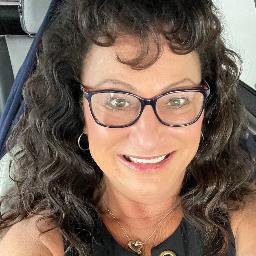
Dr. Sung Ho Kim
NY Psychoanalyst
Experienced New York psychoanalyst blending skills and depth
- Stress, Anxiety
- Relationship
- Trauma and abuse
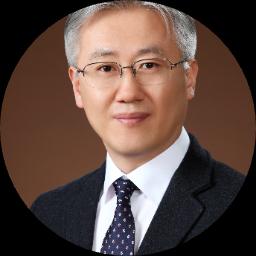
Richard Strand
LCSW
Therapist focused on trauma and life change
- Stress, Anxiety
- Addictions
- Trauma and abuse
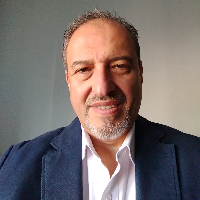
Tammy Piazza
LMHC
Compassionate practical support for life challenges
- Stress, Anxiety
- Addictions
- Trauma and abuse
Is this your profile?
Ask us to correct details or take the page down.
Contact us