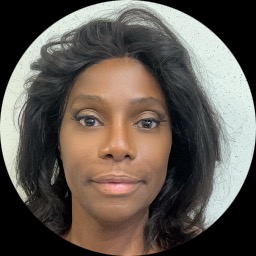
Dorothy Frazier, LCSW-R
New York · 30 years in practice
Dorothy Frazier is a licensed clinical social worker with thirty years of practice in New York.
License and registration
- LCSW-R, New York
- 038378 · expires June 2027
- NPI
- 1083953954 · national provider identifier
- Years in practice
- 30
- Languages
- English
Details are as listed on the therapist's public professional profile. You can check the license with the issuing state board, and the NPI with the national registry.
About Dorothy
Dorothy Frazier is a licensed clinical social worker with thirty years of practice in New York. She draws on long experience treating stress, anxiety, addiction, relationship concerns, and trauma and abuse. Dorothy approaches each person with respect and clear goals.
She aims to help people take practical steps toward feeling better. She completed clinical training at Columbia University and has held postgraduate roles at multiple institutes. Dorothy has worked across settings such as inpatient psychiatric care, employee assistance programs, correctional systems, and outpatient clinics.
Background and approach
She has also provided services for professional athletes and has lectured and published on trauma and addiction. In sessions she uses client-centered methods to focus on the person’s needs and goals. She also uses cognitive behavioral techniques to help people spot unhelpful thinking and try different behaviors.
Dorothy incorporates Eye Movement Desensitization and Reprocessing, when appropriate, to address trauma-related distress. Her work often focuses on practical problems like communication difficulties, control issues, divorce and separation, and coping with guilt or shame. She also supports people dealing with hoarding, immigration stress, infidelity, and loneliness.
She works with those managing panic attacks, post-traumatic stress, and social anxiety. Dorothy aims to create an open space where thoughts and feelings can be shared without judgment. She emphasizes collaboration and clear steps so progress can be measured.
For many people, this translates into manageable change over time rather than sudden fixes.
Focus areas and approaches
Everything Dorothy lists on their public professional profile, in their own terms.
- Stress, Anxiety
- Addictions
- Relationship issues
- Trauma and abuse
- Coaching
- Communication problems
- Control issues
- Divorce and separation
- Forgiveness
- Guilt and shame
- Hoarding
- Immigration issues
- Infidelity
- Intellectual disability
- Isolation / loneliness
- Life purpose
- Panic disorder and panic attacks
- Post-traumatic stress
- Self-love
- Social anxiety and phobia
Approaches Dorothy names
- Eye Movement Desensitization and Reprocessing (EMDR)
- Client-Centered Therapy
- Cognitive Behavioral Therapy (CBT)
Naming an approach is not evidence of training in it. This directory copies what each therapist lists and does not check training records.
Online support
Approaches for Trauma, Thoughts, and Everyday Stress
Dorothy uses client-centered work that focuses on the person in front of her. This approach means she listens carefully and helps people set goals that matter to them, adapting sessions to the client’s pace and preferences.She also uses cognitive behavioral therapy, which looks at the links between thoughts, feelings, and actions. CBT helps people identify unhelpful thinking patterns and try practical changes to reduce anxiety, panic, or social fears.
Dorothy incorporates Eye Movement Desensitization and Reprocessing when addressing trauma-related symptoms. EMDR involves guiding attention while revisiting difficult memories to reduce their emotional intensity and the distress they cause.
Finding the right approach is part of the work. She will talk with each person about goals, symptoms, and preferences, and they will decide together which methods to try and when to adapt them.
Online therapy offers flexibility in how sessions happen. Video calls let people use face-to-face interaction from another location. Phone sessions work when bandwidth is limited or when someone prefers not to be on camera. Live chat or text messaging can fit quick check-ins, shorter sessions, or times when writing helps express thoughts more clearly.
These options make it easier to fit therapy into a busy life and to keep consistent appointments across time zones, including international clients.
We will earn a commission if you sign up through our link, at no cost to you. It does not change what you pay or the order of the listings.
Questions people ask
What concerns does Dorothy address?
She helps people with stress, anxiety, addictions, relationship problems, trauma and abuse, and coaching around life direction.
How would you describe her therapeutic style?
She works in a collaborative, client-centered way and sets clear goals with each person to guide progress.
What kind of experience does she bring?
She has thirty years of professional experience, including work in inpatient, outpatient, correctional, and employee assistance settings.
What are her credentials and where is she based?
She holds the LCSW-R credential and practices from New York.
Can sessions be conducted in languages other than English?
Sessions are offered in English.
What session formats are available online?
Sessions can be scheduled as video calls, phone sessions, live chat, or text-based messaging.
How does pricing work for her sessions?
Cost varies with location and therapist availability and sessions use a subscription that can be canceled at any time.
How do I begin working with her?
Select the Start Therapy button, complete a short matching questionnaire, and then schedule according to therapist availability.
More therapists in New York
See allTerrianne Yanulavich
LMHC
Calm, practical support for life and trauma
- Stress, Anxiety
- Relationship
- Trauma and abuse
Dr. Sung Ho Kim
NY Psychoanalyst
Experienced New York psychoanalyst blending skills and depth
- Stress, Anxiety
- Relationship
- Trauma and abuse

Richard Strand
LCSW
Therapist focused on trauma and life change
- Stress, Anxiety
- Addictions
- Trauma and abuse
Tammy Piazza
LMHC
Compassionate practical support for life challenges
- Stress, Anxiety
- Addictions
- Trauma and abuse
Is this your profile?
Ask us to correct details or take the page down.
Contact us