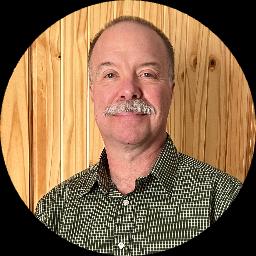
Scott Wetherhold, LPC, LMHC
Florida · 5 years in practice
Scott Wetherhold is a licensed professional counselor and licensed mental health counselor who helps people facing stress, anxiety, trauma, depression, and life changes.
License and registration
- LMHC, Florida
- MH19456 · expires March 2027
- LPC, Georgia
- LPC015916 · expires September 2026
- LPC, Colorado
- LPC.0022857 · expires August 2027
- LPC, Virginia
- 0701015480 · expires June 2026
- NPI
- 1578134565 · national provider identifier
- Years in practice
- 5
- Languages
- English
Details are as listed on the therapist's public professional profile. You can check the license with the issuing state board, and the NPI with the national registry.
About Scott
Scott Wetherhold is a licensed professional counselor and licensed mental health counselor who helps people facing stress, anxiety, trauma, depression, and life changes. He offers a calm, straightforward presence and aims to make sessions feel manageable for someone who is worried or overwhelmed. Scott practices in Georgia and works with people who want practical tools and space to talk.
He uses a mix of approaches to meet each person where they are.
Background and approach
Sessions often focus on learning coping strategies, investigating unhelpful thoughts, and building actions that match personal values. Scott integrates Eye Movement Desensitization and Reprocessing (EMDR) along with cognitive and acceptance-based methods when those approaches fit the situation. Scott draws on five years of clinical experience across several states.
He pays attention to how trauma, caregiving strain, work demands, and relationship stress show up in day-to-day life. He also addresses concerns like panic attacks, grief, addiction, and struggles with self-worth. In therapy he emphasizes collaboration and clear steps.
People can expect goal-focused conversations, skill practice between sessions, and time to reflect on what matters. Spiritual concerns and life purpose can be part of the work when clients bring them up. Sessions are offered in English and Scott accepts international clients.
He provides multiple remote session formats so people can choose what fits their routine and needs.
Focus areas and approaches
Everything Scott lists on their public professional profile, in their own terms.
- Stress, Anxiety
- Trauma and abuse
- Self esteem
- Depression
- Coping with life changes
- Addictions
- Relationship issues
- Family conflicts
- Grief
- Anger management
- Career difficulties
- Compassion fatigue
- Caregiver issues and stress
- Communication problems
- First responder issues
- Forgiveness
- Guilt and shame
- Isolation / loneliness
- Life purpose
- Men's issues
- Midlife crisis
- Panic disorder and panic attacks
- Post-traumatic stress
- Self-love
- Sexual assault and abuse
- Social anxiety and phobia
Approaches Scott names
- Eye Movement Desensitization and Reprocessing (EMDR)
- Acceptance and Commitment Therapy (ACT)
- Client-Centered Therapy
- Cognitive Behavioral Therapy (CBT)
- Existential Therapy
- Mindfulness Therapy
- Motivational Interviewing
- Narrative Therapy
- Solution-Focused Therapy
- Trauma-Focused Therapy
- Internal Family Systems
Naming an approach is not evidence of training in it. This directory copies what each therapist lists and does not check training records.
Online support
Approaches that translate well to online care
Acceptance and Commitment Therapy (ACT) helps people clarify their values and take small steps aligned with those values. It focuses on accepting difficult feelings and committing to action that matters. Cognitive Behavioral Therapy (CBT) looks at the link between thoughts, feelings, and behaviors and teaches concrete skills to shift unhelpful patterns. Eye Movement Desensitization and Reprocessing (EMDR) is used to process distressing memories and reduce their emotional intensity when appropriate.Choosing the best approach is a shared process. The therapist will discuss goals, preferences, and specific challenges during early sessions and adjust methods as needed. That collaborative planning helps find what fits each person's situation and rhythm.
Online options include video calls, phone sessions, live chat, and text-based messaging. Video sessions work well for in-depth conversations and skill practice, while phone calls can be easier when bandwidth is limited or you prefer not to use a camera. Live chat and messaging let people check in between sessions or have shorter check-ins during a busy day. These formats offer flexibility to fit therapy into work, caregiving, or travel routines while maintaining continuity of care.
We will earn a commission if you sign up through our link, at no cost to you. It does not change what you pay or the order of the listings.
Questions people ask
What kinds of problems does Scott address?
He helps people dealing with stress, anxiety, trauma and abuse, depression, grief, addiction, anger, and relationship or family concerns.
What is his general approach in sessions?
Sessions are collaborative and practical, focusing on coping skills, thought patterns, and actions that match personal values.
How much clinical experience does he have?
Scott has five years of experience working with a range of concerns including panic attacks, post-traumatic stress, and compassion fatigue.
What credentials and location are listed?
He holds LPC and LMHC credentials and practices in Georgia.
Can I work with him if I live outside the United States?
International clients are accepted and sessions are offered in English.
Which session formats are offered?
He provides video calls, phone sessions, live chat, and text-based messaging to fit different schedules and preferences.
How does payment and cost work?
Cost varies with location and therapist availability; sessions use a subscription model that can be canceled at any time.
How do I begin therapy with him?
Click the Start Therapy button, complete a short matching questionnaire, and then schedule sessions according to therapist availability.
More therapists in Georgia
See allDr. Natalia Kuzmina
LMFT, LCMFT
Helping people break painful relationship patterns
- Stress, Anxiety
- Relationship
- Family

Janice Withrow
LPC
Practical, trauma-informed counseling for life challenges
- Relationship
- Family
- Trauma and abuse
Kenneth Denny
LCSW, CSW
Calm, experienced social worker focused on practical change
- Stress, Anxiety
- Relationship
- Family
Gwendolyn Scrutchins
LPC
Compassionate counselor with practical therapeutic tools
- Stress, Anxiety
- Anger
- Self esteem
Is this your profile?
Ask us to correct details or take the page down.
Contact us