
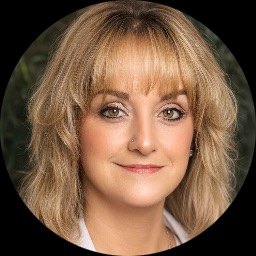
Dr. Ratha Zeidan-Lukacs, LMHC, LPC
Florida · 15 years in practice
Dr. Ratha Zeidan-Lukacs is a licensed mental health counselor who helps people facing stress, anxiety, depression, relationship strain, trauma, and parenting concerns.
License and registration
- LMHC, Florida
- MH10051 · expires March 2027
- LPC, Virginia
- 0701011067 · expires June 2026
- NPI
- 1770877532 · national provider identifier
- Years in practice
- 15
- Languages
- English
Details are as listed on the therapist's public professional profile. You can check the license with the issuing state board, and the NPI with the national registry.
About Ratha
Dr. Ratha Zeidan-Lukacs is a licensed mental health counselor who helps people facing stress, anxiety, depression, relationship strain, trauma, and parenting concerns. She brings 15 years of clinical experience and aims for straightforward, practical support.
Her style is warm and direct so people feel heard and understood from the first session. She blends several approaches to match each person's needs. That may include cognitive behavioral techniques to notice and change unhelpful thoughts and behaviors.
Background and approach
She also uses attachment-focused ideas to look at how early relationships shape current patterns. Dr. Zeidan-Lukacs describes therapy as a team effort.
She helps clients set clear, manageable goals and tries different strategies until something fits. Sessions can address grief, addiction, eating and sleeping problems, anger, career issues, and many other concerns listed on her profile. She has worked across settings and with a wide range of life problems for over a decade.
Her dual credentials - Licensed Mental Health Counselor and Licensed Professional Counselor - reflect training in counseling and clinical care. She offers services while based in Virginia and conducts sessions in English. Practical work in sessions often includes skills practice, focused discussion, and goal-setting.
For people coping with trauma, she may integrate specific trauma-informed methods including EMDR as part of treatment planning. The overall aim is to help clients move toward more balanced daily life and better relationships.
Focus areas and approaches
Everything Ratha lists on their public professional profile, in their own terms.
- Stress, Anxiety
- Relationship issues
- Self esteem
- Depression
- Coping with life changes
- Addictions
- Family conflicts
- Trauma and abuse
- Grief
- Intimacy-related issues
- Eating disorders
- Sleeping disorders
- Parenting issues
- Anger management
- Career difficulties
- Bipolar disorder
- Compassion fatigue
- ADHD
- Abandonment
- Adoption and foster care
- Aging and geriatric issues
- Attachment issues
- Commitment issues
- Coping with natural or human-caused disaster
- Emptiness
- Family problems
- Fatherhood issues
- Fertility issues
- Forgiveness
- Impulsivity
- Isolation / loneliness
- Life purpose
- Midlife crisis
- Mood disorders
- Multicultural concerns
- Paranoia
- Postpartum depression
- Pregnancy and childbirth
- Seasonal Affective Disorder (SAD)
- Social anxiety and phobia
- Workplace issues
- Young adult issues
Approaches Ratha names
- Eye Movement Desensitization and Reprocessing (EMDR)
- Attachment-Based Therapy
- Client-Centered Therapy
- Cognitive Behavioral Therapy (CBT)
- Dialectical Behavior Therapy (DBT)
- Existential Therapy
- Motivational Interviewing
- Narrative Therapy
- Solution-Focused Therapy
Naming an approach is not evidence of training in it. This directory copies what each therapist lists and does not check training records.
Online support
How her approaches translate to online therapy
Dr. Zeidan-Lukacs often draws on cognitive behavioral therapy to help clients spot and change unhelpful thoughts and behaviors. CBT is useful for anxiety, depression, sleep and eating problems by teaching step-by-step skills and practical homework.She also uses attachment-based ideas to look at relationship patterns and how early bonds affect current connections. That work helps people improve communication, trust, and intimacy in day-to-day life.
Choosing an approach is collaborative. She will discuss goals, preferences, and what feels most useful, then try techniques together to find what helps. The first few sessions are often about figuring out that fit and setting clear, achievable steps.
Online therapy options include video calls, phone sessions, live chat, and text-based messaging. Video sessions allow face-to-face conversation and visual cues. Phone sessions can be simpler when bandwidth is limited or for shorter check-ins. Live chat and text messaging offer flexibility for quick check-ins, journaling between sessions, or support when a written format feels easier to use. These formats make it easier to fit therapy into busy schedules and everyday life.
We will earn a commission if you sign up through our link, at no cost to you. It does not change what you pay or the order of the listings.
Questions people ask
What concerns does this therapist commonly address?
She works with stress, anxiety, depression, relationship and intimacy issues, trauma and abuse, grief, addictions, parenting and many related life challenges.
What is the therapeutic style and approach?
Her style is collaborative and practical. She combines client-centered listening with strategies from CBT, DBT, attachment-based work and existential ideas to help people set and reach goals.
How much clinical experience does she have?
She has 15 years of professional experience working with a range of mental health and relationship concerns.
What are her credentials and where does she practice?
She holds LMHC and LPC credentials and practices while based in Virginia, with license details listed as FL LMHC and VA LPC.
Which language are sessions offered in?
Sessions are offered in English only and international clients are not currently accepted.
What session formats are available?
She offers video calls, phone sessions, live chat, and text-based messaging to suit different schedules and needs.
How does payment and cost work?
Cost varies with location and therapist availability; sessions use a subscription model that can be canceled at any time.
What are the first steps to start therapy?
Begin by selecting the Start Therapy button, complete a short matching questionnaire, and then schedule sessions according to therapist availability.
More therapists in Virginia
See allKitty Hall
LCSW
Practical, person-focused therapy for stress and trauma
- Stress, Anxiety
- Trauma and abuse
- Grief

Andrew Leonard
LCSW
Helping people manage stress and relationships
- Stress, Anxiety
- Relationship
- Family

Venise Darisme
LCMHC, LPC
Calm, practical therapy for trauma and life change
- Stress, Anxiety
- Grief
- Eating

Is this your profile?
Ask us to correct details or take the page down.
Contact us