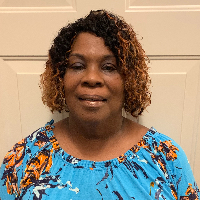
Kitty Hall
LCSW
Practical, person-focused therapy for stress and trauma
- Stress, Anxiety
- Trauma and abuse
- Grief
Clinical social work directory
34 therapists in this directory hold a licence issued in Virginia and name EMDR among their approaches. Sessions are online; a US therapist can usually only see people in a state where they hold a licence, so check the credentials panel on each profile.
Welcome to the Virginia directory for online therapists on EMDR Therapy Directory. All therapists listed here are licensed in Virginia, so you can review credentials and approaches with confidence.
Explore the listings to learn which clinicians list EMDR among their approaches, review languages and experience, and find a fit for your needs.
LCSW
Practical, person-focused therapy for stress and trauma
LCSW
Helping people manage stress and relationships
LMHC, LPC
Practical therapy for life stress and relationships
LCMHC, LPC
Calm, practical therapy for trauma and life change
LPC
Thoughtful, experienced counseling for everyday challenges
LCMHC, LPC
Practical, experienced counselor for trauma and anxiety
LPCC, LPC
Compassionate clinician focused on practical change
LCSW
Compassionate trauma-informed therapy for everyday life
LPC
Compassionate, relationship-focused care
LPC
Compassionate trauma-informed counseling
LPC
Practical, trauma-aware counseling with faith-informed care
LPC
Practical trauma-informed counseling with EMDR
LCSW
Empathetic LCSW helping people manage trauma and stress
LCSW
Compassionate, practical support for life changes
LISW, LCSW
Compassionate trauma-informed care with practical tools
LPCC, LPC
Calm, practical therapy for trauma and life change
LPC
Experienced LPC offering practical, compassionate therapy
LICSW, LCSW, CSW
Practical support for stress and trauma
LMFT
Compassionate therapist focused on trauma recovery
LICSW, LCSW
Compassionate social worker focused on healing
LMFT
Empathic therapist focusing on trauma and relationships
LPC
Compassionate, practical therapy for trauma and anxiety
LPC
Compassionate counselor who emphasizes strengths
LPC
Compassionate counseling for life’s hard changes
LPC
Guide for people facing life crossroads
LCSW
Compassionate LCSW focused on relationship healing
LCSW
Trauma-informed care with practical tools
LCSW
Practical, strength-focused trauma and recovery care
Some links on this page are partner links. We will earn a commission if you sign up through one, at no cost to you. It does not change what you pay or the order of the listings.
Online therapy has become a widely used option for people across Virginia who want counseling without traveling to an office. In Virginia, licensed clinicians offer work through video sessions, phone calls, and messaging formats that allow sessions to happen from your home, work, or another comfortable environment. The clinicians shown on this directory are licensed to practice in the Commonwealth of Virginia and many list specific approaches, including EMDR among their approaches. That listing indicates the clinician identifies that approach as part of their practice profile, not proof of certification. When you use online therapy, you will generally interact with a licensed counselor, social worker, psychologist, or other mental health professional who offers care across the state - making it possible to connect with practitioners whose languages, specialties, or clinical approaches align with your needs.
Because licensing rules differ by profession, therapists on this page may hold licenses under different Virginia boards. The way online sessions are conducted will vary by clinician - for example, some use video only while others combine video with text-based messaging for between-session check-ins. Before you begin, it is helpful to review each clinician's profile to understand their stated approaches, credentials, and the populations they mention working with.
Online therapy can reduce logistical barriers that sometimes make in-person care difficult. If you live in a rural part of Virginia, have transportation constraints, or need flexibility around work and family responsibilities, online sessions can help you engage in care without a commute. You may also find a wider range of clinicians who list specialized approaches, languages, or experience working with specific communities compared with what is available in a small local area.
Another benefit is that you can often select a clinician whose stated approach aligns with your goals. For example, some therapists on this directory list EMDR among their approaches, which may be relevant if you are exploring trauma-focused options. Using online care can make it easier to maintain continuity when you move within Virginia or need to coordinate care across different locations in the state. Finally, online formats can allow for more consistent scheduling for those balancing school, shift work, or caregiving responsibilities. Consider your preferences for session style, communication, and the clinician's approach when evaluating whether an online arrangement is right for you.
Online therapists in Virginia address a broad range of concerns. Many people seek help for anxiety, depression, stress related to work or family life, relationship challenges, major life transitions, and grief. Therapists also frequently support people coping with trauma, post-traumatic symptoms, and the aftereffects of difficult experiences. The therapists listed here indicate a variety of approaches and focus areas; some list EMDR among their approaches, while others mention modalities such as cognitive or relational approaches. That variety means you can look for clinicians who describe experience with issues like trauma processing, mood regulation, coping strategies, or life-stage concerns.
Beyond clinical symptoms, therapists often help with practical life skills like improving communication, managing parenting stresses, navigating career changes, and developing coping plans for chronic health conditions. If you have intersectional concerns - for example, the interplay of cultural identity, sexuality, or disability with mental health - you can look for clinicians who note relevant language skills or experience working with specific communities. When exploring listings, pay attention to the way clinicians describe the populations they work with and the outcomes they aim to support, so you can find a practitioner whose approach resonates with your priorities.
Confirming a clinician's license is an important step before beginning online therapy. In Virginia, different professions are regulated by separate boards, such as the Board of Counseling, the Board of Social Work, and the Board of Psychology. To verify a license, start by noting the clinician's professional title and the license number if it is listed on their profile. You can then search the appropriate Virginia licensing board's online lookup tool by name or license number to confirm that the license is active and to view any public actions or restrictions.
When you review a license record, check the license type, original issue date, and expiration date where available. Look for any listed disciplinary actions or public orders and review the summary information provided by the board. If you have questions about the meaning of information on a licensing board page, you can contact the board's office directly - staff can often clarify status details and explain any public records. Verifying the license gives you factual background about a clinician's legal standing to practice in Virginia and is a practical step when narrowing your choices.
In addition to verifying licensure, consider asking clinicians about the degrees and supervised experience that form their background. Many profiles will mention an academic degree and professional licenses, but if the information you want is not listed, you can request clarification about clinical focus, education, and the populations they work with. Remember that listings may note approaches such as EMDR among their approaches - that language reflects a clinician's description of their practice, not an external endorsement. Asking clear questions about how a clinician typically structures sessions, their approach to treatment planning, and what progress tends to look like for your concern can help you make an informed decision.
When you are ready to reach out to a clinician, begin by reviewing profiles for approach, professional credentials, language skills, and experience with issues similar to yours. Narrowing by these factors helps you identify clinicians whose stated focus aligns with your needs. At first contact, many clinicians offer a brief introductory conversation to discuss goals, session format, and fees - use that opportunity to ask about session length, how they structure work, whether they use any specific therapeutic approaches, and how they measure progress. You can also ask how they address crises or urgent concerns between sessions, and what you should expect if you need immediate support.
Choosing the right therapist is a personal decision and often depends on factors beyond credentials. Consider whether you feel heard and respected during initial conversations, whether the clinician's areas of focus relate to your goals, and whether language and cultural considerations are addressed. Think about logistical details that matter to you, such as preferred session times, communication style, and whether you want a clinician who lists EMDR among their approaches or who emphasizes other modalities. If you have insurance, check with your plan about coverage for online therapy and what documentation or billing codes the clinician will use.
Start by making a short list of clinicians whose profiles match your priorities. Prepare a few questions that address your main concerns and the clinician's approach, and reach out via the contact method listed on their profile. During initial conversations, observe whether the clinician explains session structure clearly and whether you feel comfortable with their communication style. You do not need to make a long-term commitment immediately - many people begin with a short series of sessions to gauge fit. Trust your judgment about whether a clinician's approach and manner feel like a good match for your needs, and remember that it is okay to continue searching if you do not find the right fit at first.
Online therapy in Virginia offers a flexible way to access licensed mental health professionals who describe a range of approaches and specialties. By verifying licensure, reviewing approaches like EMDR where listed, and asking thoughtful questions about approach and logistics, you can find a clinician whose experience and style align with your goals. Use the directory listings to explore profiles, compare credentials and languages, and reach out when you are ready to begin.