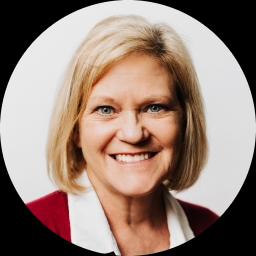
Marla Anderson, LPC
Texas · 7 years in practice
Marla Anderson is a Licensed Professional Counselor (LPC) based in Texas who focuses on practical methods to reduce worry and regain control.
License and registration
- LPC, Texas
- 79992 · expires March 2027
- NPI
- 1649890120 · national provider identifier
- Years in practice
- 7
- Languages
- English
Details are as listed on the therapist's public professional profile. You can check the license with the issuing state board, and the NPI with the national registry.
About Marla
Marla Anderson is a Licensed Professional Counselor (LPC) based in Texas who focuses on practical methods to reduce worry and regain control. She centers sessions on the person in front of her and uses clear tools to address stress, anxiety, addiction, anger, and self-esteem concerns.
Marla began in school counseling more than 15 years ago and shifted into full-time LPC practice in 2021. That background means she has worked with a wide age range and seen many life stages and challenges.
Background and approach
She draws on this variety when she helps people facing big life changes. Her work often mixes patient-focused listening with hands-on techniques from cognitive behavioral therapy and dialectical behavior therapy. She also uses EMDR, which she offers as an additional option for processing upsetting memories.
Sessions aim to be straightforward and goal-oriented. Marla helps people break down problems into small, manageable steps. She teaches coping skills for handling triggers, managing urges, and improving day-to-day functioning.
She also supports people working through issues like abandonment, attachment, blended family stress, and caregiving strain. Clients can expect a respectful and calm approach that balances listening with practical strategies. Marla emphasizes collaboration when building a plan so goals match each person’s needs.
She communicates in plain language and focuses on what can change now.
Focus areas and approaches
Everything Marla lists on their public professional profile, in their own terms.
- Stress, Anxiety
- Addictions
- Anger management
- Self esteem
- Coping with life changes
- Abandonment
- Adoption and foster care
- Attachment issues
- Blended family issues
- Cancer
- Caregiver issues and stress
- Chronic pain, illness, and disability
- Codependency
- Commitment issues
- Communication problems
- Control issues
- Divorce and separation
- Domestic violence
- Drug and alcohol addiction
- Eating and food-related issues
- Emptiness
- Family of origin issues
- Family problems
- Forgiveness
- Guilt and shame
- Infidelity
- Isolation / loneliness
- Jealousy
- Life purpose
- Midlife crisis
- Money and financial issues
- Obsessions, compulsions, and OCD
- Panic disorder and panic attacks
- Post-traumatic stress
- Self-harm
- Self-love
- Social anxiety and phobia
- Women's issues
- Workplace issues
- Young adult issues
Approaches Marla names
- Eye Movement Desensitization and Reprocessing (EMDR)
- Client-Centered Therapy
- Cognitive Behavioral Therapy (CBT)
- Dialectical Behavior Therapy (DBT)
- Motivational Interviewing
- Solution-Focused Therapy
Naming an approach is not evidence of training in it. This directory copies what each therapist lists and does not check training records.
Online support
How therapeutic methods translate to online care
Client-Centered Therapy focuses on listening and building trust so the person sets the pace and priorities; online sessions use the same approach and let conversations unfold naturally. Cognitive Behavioral Therapy (CBT) breaks problems into patterns of thoughts, feelings, and actions and teaches specific exercises to change them; online work often includes worksheets, behavioral experiments, and step-by-step skill practice. Eye Movement Desensitization and Reprocessing (EMDR) helps process upsetting memories and reduce their emotional hold; when offered online it involves guided bilateral stimulation and structured processing adapted for remote sessions.Finding the right approach is part of the work together. The therapist will talk about goals, try techniques, and adjust the plan based on what helps most. This is a collaborative process that balances what the client prefers with what seems effective for the issue at hand.
Online formats - video calls, phone sessions, live chat, and text messaging - make it easier to fit therapy into a busy life. Video is useful for full therapy sessions and learning new skills. Phone calls can be a lower-bandwidth option or a way to check in when video is difficult. Live chat and text messaging work well for brief updates, homework review, or short coaching between sessions. These options support flexibility, steady progress, and easier scheduling across different days and routines.
We will earn a commission if you sign up through our link, at no cost to you. It does not change what you pay or the order of the listings.
Questions people ask
What concerns does Marla commonly address?
She works with stress, anxiety, addictions, anger, low self-esteem, and coping with life changes. Additional focus areas include attachment issues, abandonment, caregiver stress, chronic illness, and relationship communication problems.
What is her therapy style like?
Marla combines person-centered listening with practical techniques from CBT and DBT. She uses clear skills training, goal setting, and offers EMDR as an option for processing difficult memories.
How much clinical experience does she have?
She has seven years as a Licensed Professional Counselor and more than 15 years of experience that started in school counseling. That history informs her work with different age groups and life stages.
What credentials and location are listed?
She holds the LPC credential and practices in Texas. The profile lists her as a Licensed Professional Counselor in the state.
Which languages are sessions offered in?
Sessions are offered in English only. International clients are not currently accepted.
What session formats are available online?
Marla meets by video calls, phone sessions, live chat, and text-based messaging. These options allow for flexible ways to check in, work through skills, or do brief coaching between longer sessions.
How are fees handled?
Cost varies by location and therapist availability and sessions use a subscription model. The subscription can be canceled at any time.
How do I begin working with her?
Start by selecting the Start Therapy button and completing the short matching questionnaire. After that you can schedule sessions according to the therapist's availability.
More therapists in Texas
See allEboney Roney
LPC
Calm, practical guidance for life’s hard moments
- Stress, Anxiety
- Trauma and abuse
- Self esteem

Patricia Olachea Haessly
LPC
Compassionate counselor for lasting change
- Stress, Anxiety
- Relationship
- Family

Shelby Wright
LPC
Centered, practical therapy for everyday struggles
- Stress, Anxiety
- Relationship
- Family


Is this your profile?
Ask us to correct details or take the page down.
Contact us