Bridgez English
LCMHC
Practical, trauma-informed counseling for adults
- Stress, Anxiety
- Relationship
- Trauma and abuse
Clinical social work directory
64 therapists in this directory list Licensed Clinical Mental Health Counselor (LCMHC). Registration details are shown as each therapist lists them; the body's own public register is the place to check a number.
A Licensed Clinical Mental Health Counselor (LCMHC) is a clinician trained to provide assessment, diagnosis, and evidence-informed mental health care. Browse the verified LCMHC therapists listed below to review credentials, specialties, and therapeutic approaches.
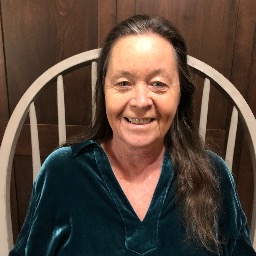
LCMHC
Practical, trauma-informed counseling for adults
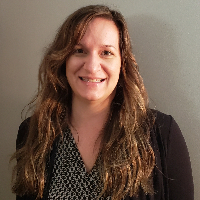
LCMHC
Compassionate trauma-informed counseling
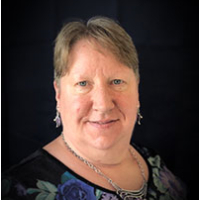
LCMHC
Experienced counselor who uses practical therapies
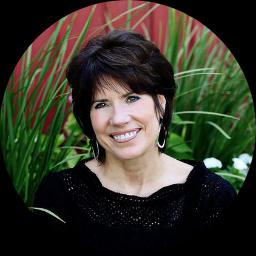
LCMHC
Compassionate care for trauma and life stress
LCMHC
Practical, strength-focused counseling with EMDR options
LCMHC
Practical therapy for stress and trauma
LCMHC
Calm guidance for stress and trauma recovery
LPC, LCMHC
Practical, experienced counselor for life transitions
LCMHC
Practical, person-focused care for life’s toughest moments
LCMHC
Experienced counselor focused on practical healing
LCMHC
Trauma-informed counselor focused on practical tools
LCMHC
Compassionate clinician blending creativity and clinical care
LCMHC
Trauma-informed counselor focused on recovery
LCMHC
Calm trauma-informed therapist using EMDR
LMHC, LCMHC
Practical trauma and resilience-focused counseling
LCMHC, LPC
Practical, collaborative counseling for life challenges
LPC, LCMHC
Compassionate counselor focused on trauma recovery and coping
LCMHC
Practical, strengths-based therapy for life challenges
LCMHC
Calm, practical therapy for life changes
LCMHC, LMFT
Experienced therapist focusing on practical healing
LCMHC, LPC
Therapy focused on healing and practical change
LCMHC
Compassionate, practical therapy for trauma and addiction
LCMHC
Practical, values-focused therapy with EMDR options
LCMHC
Heard, understood, and moving forward
LCMHC, LPC
Calm, practical therapy for trauma and life change
LCMHC, LPC
Practical, experienced counselor for trauma and anxiety
LCMHC
Calm, practical support for life’s difficult moments
LPC, LCMHC
Compassionate counselor focused on healing
LCMHC
Practical, person-focused therapy for trauma and life stress
LMHC, LCMHC
Therapist focused on practical healing
LCMHC
Compassionate, practical therapy for life challenges
LCMHC
Practical, compassionate therapy focused on healing
LMHC, LCMHC
Practical, strengths-based therapy with EMDR included
LPCC, LCMHC
Compassionate trauma-informed counseling focused on healing
LPC, LCMHC
Therapist focused on trauma and coping skills
LCMHC
Supportive counselor focused on practical progress
LCMHC
Therapist who blends skills and practical tools
LCMHC, LMHC
Compassionate trauma-informed care focused on growth
LMHC, LCMHC
Integrative talk and expressive arts therapy
LCMHC, LMHC
Experienced counselor focused on trauma recovery
LCMHC
Compassionate counselor focusing on trauma recovery
LCMHC
Practical, respectful therapy for stress and trauma
LCMHC, LMFT
Practical, steady support for anxiety and trauma
LPC, LCMHC
Practical support for stress, trauma, and change
LMHC, LCMHC
Calm, practical therapy for life challenges
Some links on this page are partner links. We will earn a commission if you sign up through one, at no cost to you. It does not change what you pay or the order of the listings.
The LCMHC credential denotes a state-issued license for clinicians who have completed specific education, supervised clinical experience, and testing requirements focused on mental health counseling. In most states the pathway begins with a graduate degree in counseling, psychology, or a closely related field. That academic foundation includes study of human development, psychopathology, counseling theories, ethics, and assessment techniques. After graduation you would typically complete a period of post-degree supervised practice, which can range from several hundred to a few thousand hours depending on state rules. Licensure also generally requires passing a clinical exam recognized by the licensing board in your jurisdiction and fulfilling continuing education expectations to maintain competence over time.
When you look at an LCMHC profile, you will often see mention of a master’s or doctorate degree and a description of supervised clinical hours. Those supervised hours are earned under the oversight of a licensed clinician and are intended to build the practical skills needed for independent practice. The combination of graduate coursework and supervised experience is what distinguishes the LCMHC pathway from credentials that emphasize other scopes of practice.
As an LCMHC, a clinician is authorized by the state to provide comprehensive mental health services that commonly include assessment, diagnosis, psychotherapy, crisis intervention, and treatment planning for individuals, couples, families, and groups. You can expect LCMHCs to work with a wide range of presenting concerns such as anxiety, depression, trauma-related symptoms, relationship challenges, and life transitions. Their training typically emphasizes counseling and psychotherapy techniques rather than medical interventions.
Different license titles reflect different training emphasis and regulatory frameworks. For example, some licenses are focused on clinical social work, marriage and family therapy, or psychology, each with distinct educational and supervised practice requirements. While these professionals may provide overlapping services, an LCMHC’s training is centered on counseling theories and clinical techniques. If you are deciding between license types, look at the clinician’s stated specialties, theoretical approaches, and experience to understand how their background aligns with your goals.
LCMHCs tend to offer a broad array of specialties reflecting the variety of needs people bring to counseling. You will find clinicians who focus on trauma-related work, anxiety and mood disorders, grief and loss, substance use concerns, adolescent and child therapy, perinatal mental health, and relationship counseling. Many LCMHCs also work with vocational stress, identity and cultural concerns, and adjustment issues across the lifespan. The skillset you can expect from an LCMHC includes clinical assessment, therapeutic intervention, and collaborative treatment planning tailored to individual circumstances.
Therapists often describe the theoretical frameworks and modalities they use to guide treatment. In a directory listing you may see approaches named alongside a notice that a therapist lists EMDR among their approaches. That phrasing reflects that the therapist cites that approach, and you may want to read their description to learn how they apply different methods in practice. When you are choosing a clinician, consider how their stated approaches and population focus align with the issues you want to address and how they describe the therapeutic relationship.
Verifying an LCMHC license is an important step when you want to confirm a clinician’s standing. Most states publish license verification tools on their licensing board websites where you can search by name or license number to see current licensure status, any public disciplinary actions, and the expiration date of the license. You can also review a clinician’s educational background and licensure history in those public records. If a listing includes a license number, cross-check it with the state board. If you do not see a license number, you can still search the licensing board by the clinician’s full name and location.
If you are unsure about a credential, you can contact the state licensing board directly to confirm details. It is reasonable to ask a clinician for the state where they hold their LCMHC and for the license number so you can verify their status. Licensing boards can clarify whether a license is active, whether there are any restrictions on practice, and what continuing education requirements were met. These checks help you make an informed choice and better understand the clinician’s professional background.
Choosing an LCMHC may be a good fit if you want a clinician whose training emphasizes counseling and psychotherapy across a range of mental health concerns. Benefits often cited by people working with LCMHCs include a focus on collaborative treatment planning, skill-building strategies for managing symptoms, and experience with both short-term and longer-term therapeutic work. Many LCMHCs also integrate attention to cultural context, developmental stage, and interpersonal dynamics into their practice.
When you search for a therapist, start by identifying the specific concerns you want to address and the qualities that matter to you, such as experience with trauma, work with adolescents, or language and cultural competence. Read clinician profiles to understand their stated specialties and the populations they describe working with. Pay attention to how a therapist describes their approach and the kinds of outcomes they aim to support. If you notice a clinician lists EMDR among their approaches, remember that means they include that approach in their practice description. Consider whether the therapist’s theoretical orientation, years of experience, and language offerings align with your needs.
Beyond credentials and specialties, practical factors like session format, insurance participation, and whether the clinician works with individuals, couples, or families may shape your choice. You may also want to read about a clinician’s focus on cultural competence and life-stage experience to ensure the match feels appropriate. Taking time to review profiles and licensing information can help you identify clinicians whose background and approach resonate with what you are seeking in therapy.
Finding an LCMHC is a step toward accessing focused mental health care guided by training in counseling theory and clinical practice. Use the information available in therapist profiles and state licensing resources to confirm credentials and to choose a clinician whose specialties and approach align with your goals.