
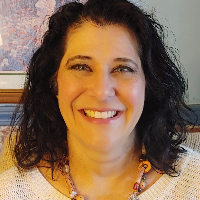
Catherine (Cate) Beaton, LCMHC
Vermont · 15 years in practice
Catherine (Cate) Beaton uses EMDR alongside several other approaches to help people process traumatic memories and move forward.
License and registration
- LCMHC, Vermont
- 068.0084098 · expires January 2027
- LCMHC, New Hampshire
- 1183 · expires April 2026
- NPI
- 1982830030 · national provider identifier
- Years in practice
- 15
- Languages
- English
Details are as listed on the therapist's public professional profile. You can check the license with the issuing state board, and the NPI with the national registry.
About Catherine
Catherine (Cate) Beaton uses EMDR alongside several other approaches to help people process traumatic memories and move forward. She brings 15 years of clinical experience and a calm, practical style to sessions. Cate is a Licensed Clinical Mental Health Counselor, LCMHC, practicing in Vermont and offering online formats.
She listens carefully and aims to make therapy understandable and doable for busy people. Cate's background began as a paramedic, where she saw how sudden events affect bodies and minds.
Background and approach
That work led her to study counseling and psychology, including a master’s degree in Transpersonal Counseling Psychology and later an Educational Specialist degree in School Psychology. Those roles shaped how she thinks about stress, trauma, and the role of relationships in recovery. In sessions she blends practical skills with deeper processing.
Cognitive Behavioral Therapy helps identify unhelpful thoughts and change behaviors. Acceptance and Commitment Therapy supports values-based action when emotions feel overwhelming. EMDR is used as a method to work with difficult memories when that fits a person’s goals.
Cate also draws on client-centered and existential ideas to help people find meaning, build self-understanding, and weigh life choices. She has spent years supervising other clinicians and supporting helpers facing burnout and compassion fatigue. That experience informs her work with caregivers and professionals who feel drained.
People come to her for a range of concerns, including anxiety, depression, trauma, parenting stress, relationship and family worries, grief, mood disorders, ADHD, and career strain. She offers video calls, phone sessions, live chat, and text messaging to fit different needs and schedules.
Focus areas and approaches
Everything Catherine lists on their public professional profile, in their own terms.
- Stress, Anxiety
- Trauma and abuse
- Parenting issues
- Career difficulties
- Compassion fatigue
- Addictions
- Relationship issues
- Family conflicts
- Grief
- Anger management
- Self esteem
- Bipolar disorder
- Depression
- Coping with life changes
- Coaching
- ADHD
- Attachment issues
- Blended family issues
- Caregiver issues and stress
- Codependency
- Dissociation
- Divorce and separation
- Emptiness
- First responder issues
- Guilt and shame
- Mood disorders
- Multicultural concerns
- Postpartum depression
- Post-traumatic stress
- Social anxiety and phobia
- Young adult issues
Approaches Catherine names
- Eye Movement Desensitization and Reprocessing (EMDR)
- Acceptance and Commitment Therapy (ACT)
- Client-Centered Therapy
- Cognitive Behavioral Therapy (CBT)
- Existential Therapy
- Motivational Interviewing
- Trauma-Focused Therapy
- Internal Family Systems
Naming an approach is not evidence of training in it. This directory copies what each therapist lists and does not check training records.
Online support
Approaches that guide online sessions
EMDR is an approach Cate uses to help process distressing memories so they feel less charged and interfere less with daily life; it can be a fit for people coping with trauma or persistent intrusive memories. Cognitive Behavioral Therapy, CBT, focuses on identifying unhelpful thoughts and testing them with practical behavior changes to reduce anxiety and low mood. Acceptance and Commitment Therapy, ACT, helps people clarify their values and take actions that align with those values even when strong emotions are present.Finding the right mix of approaches is part of the work. Cate collaborates with each person to choose methods that match their goals, needs, and comfort level. She adjusts pacing and techniques over time based on progress and feedback so the plan stays relevant and manageable.
Online therapy offers flexibility for people with busy lives. Video calls let the therapist and client work face to face when conversation and visual cues help. Phone sessions are useful when bandwidth is limited or a quieter check-in is needed. Live chat and text messaging support shorter check-ins, ongoing coaching, or moments when writing feels easier than speaking. These options make it simpler to keep momentum between appointments and fit therapy into a full schedule.
We will earn a commission if you sign up through our link, at no cost to you. It does not change what you pay or the order of the listings.
Questions people ask
What kinds of issues does she focus on?
Cate works with stress, anxiety, trauma and abuse, depression, bipolar mood concerns, grief, relationship and family worries, parenting strain, career questions, and related issues such as ADHD and substance concerns.
What is her therapeutic style like?
She combines EMDR with approaches like Cognitive Behavioral Therapy and Acceptance and Commitment Therapy to mix skills work and deeper memory processing. Sessions are practical and collaborative, with attention to values and meaning.
How much clinical experience does she have?
Cate has 15 years of clinical experience and has served as a Clinical and Executive Director and supervisor, which shapes her work supporting helpers and caregivers.
What are her credentials and where is she based?
She is a Licensed Clinical Mental Health Counselor, LCMHC, holding licenses in Vermont and New Hampshire, and practices from Vermont.
Can I work with her in a language other than English?
Sessions are offered in English.
Which session formats does she offer?
She provides video calls, phone sessions, live chat, and text-based messaging to accommodate different schedules and communication preferences.
How are sessions paid for and what do they cost?
Cost varies with location and therapist availability; sessions are provided through a subscription model that can be canceled at any time.
How do I begin working with her?
Select the Start Therapy button, complete a short matching questionnaire, and schedule sessions based on the therapist's availability.
More therapists in Vermont
See allDr. Nancy Kenyon Richardson
LCMHC
Heard, understood, and moving forward
- Addictions
- Relationship
- Trauma and abuse
Jessyca Nellé
LCMHC
Compassionate, practical therapy for life challenges
- Stress, Anxiety
- Family
- Trauma and abuse

Roc Kauffman
LMHC, LCMHC
Practical, strengths-based therapy with EMDR included
- Stress, Anxiety
- Trauma and abuse
- Grief

Andrea Alli
LCMHC
Compassionate counselor focusing on trauma recovery
- Stress, Anxiety
- Addictions
- Trauma and abuse

Is this your profile?
Ask us to correct details or take the page down.
Contact us