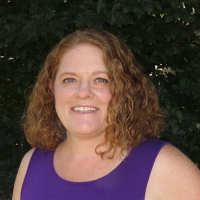
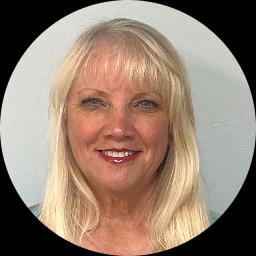
Jennifer Branin, LCMHC
Utah · 13 years in practice
Jennifer Branin is a Licensed Clinical Mental Health Counselor (LCMHC) based in Utah with 13 years of experience.
License and registration
- LCMHC, Utah
- 6821236-6004 · expires September 2026
- NPI
- 1992313936 · national provider identifier
- Years in practice
- 13
- Languages
- English
Details are as listed on the therapist's public professional profile. You can check the license with the issuing state board, and the NPI with the national registry.
About Jennifer
Jennifer Branin is a Licensed Clinical Mental Health Counselor (LCMHC) based in Utah with 13 years of experience. She helps people facing stress, anxiety, depression, addictions, trauma, and relationship or family concerns. She listens with respect and aims to create practical steps toward change.
Her approach is warm and direct. Jennifer asks about what you want to get from therapy and listens to your story. She offers insight and gently challenges unhelpful thoughts and behaviors so you can move toward clearer goals.
Background and approach
In sessions she uses tools from cognitive behavioral therapy and dialectical behavior therapy to help manage emotions and change patterns. She also uses EMDR to address painful memories and mindfulness strategies to reduce reactivity and improve focus. Motivational interviewing helps when substance use or other behaviors feel stuck.
Jennifer often works with people coping with grief, compassion fatigue, problems with sleep or eating, low self-esteem, ADHD, bipolar mood issues, and a wide range of trauma and abuse concerns. She also supports those dealing with first responder or veteran-related stress, process addictions, codependency, and relationship questions including non-monogamy. Her style is practical and supportive.
Sessions involve talking through current problems, practicing new skills, and building daily habits that reinforce progress. She encourages self-care and realistic steps you can take between meetings.
Focus areas and approaches
Everything Jennifer lists on their public professional profile, in their own terms.
- Stress, Anxiety
- Addictions
- Trauma and abuse
- Depression
- Compassion fatigue
- LGBT
- Relationship issues
- Family conflicts
- Grief
- Eating disorders
- Sleeping disorders
- Anger management
- Self esteem
- Bipolar disorder
- ADHD
- Antisocial personality
- Codependency
- Control issues
- Disruptive Mood Dysregulation Disorder (DMDD)
- Domestic violence
- Drug and alcohol addiction
- First responder issues
- Guilt and shame
- Veteran and Armed Forces Issues
- Mood disorders
- Personality disorders
- Polyamory / non-monogamous relationships
- Post-traumatic stress
- Process addiction (porn, exercise, gambling)
- Sexual assault and abuse
Approaches Jennifer names
- Eye Movement Desensitization and Reprocessing (EMDR)
- Cognitive Behavioral Therapy (CBT)
- Dialectical Behavior Therapy (DBT)
- Mindfulness Therapy
- Motivational Interviewing
- Solution-Focused Therapy
- Trauma-Focused Therapy
Naming an approach is not evidence of training in it. This directory copies what each therapist lists and does not check training records.
Online support
Approaches you can use in online sessions
Jennifer commonly draws from cognitive behavioral therapy and EMDR when working online. Cognitive behavioral therapy focuses on identifying unhelpful thoughts and testing new behaviors to reduce anxiety and depressive symptoms. EMDR addresses painful memories by processing them in a structured way to reduce their emotional intensity and improve daily functioning.She also uses mindfulness techniques to help people notice their reactions and respond more calmly in stressful moments. Finding the right approach is part of the work together; the therapist will talk with each person about goals and preferences and choose or combine methods that fit their needs.
Online sessions are offered as video calls, phone sessions, live chat, or text-based messaging to make therapy more flexible. Video calls allow face-to-face conversation and skill practice, phone sessions can fit into busy days or lower bandwidth situations, live chat is useful for brief check-ins, and text messaging supports ongoing reflection between sessions. These formats help people access consistent care while balancing work, family, and other commitments.
We will earn a commission if you sign up through our link, at no cost to you. It does not change what you pay or the order of the listings.
Questions people ask
What concerns does Jennifer commonly address?
She helps people with stress, anxiety, depression, trauma and abuse, addictions, relationship and family issues, grief, sleep and eating problems, anger, self-esteem, bipolar disorder, and ADHD.
What is her therapeutic style like?
Her approach is compassionate and direct. She listens respectfully, offers insight, and gently challenges unhelpful thinking while encouraging self-care and concrete habits.
How much clinical experience does she have?
She has 13 years of experience working in counseling settings with a broad range of concerns including addictions, trauma, and first responder issues.
What credentials does she hold and where is she located?
She holds the LCMHC credential - Licensed Clinical Mental Health Counselor - in Utah and practices from that state.
Are sessions available in other languages or internationally?
Sessions are offered in English. International clients are not currently accepted.
Which session formats does she offer?
She provides video calls, phone sessions, live chat, and text-based messaging to accommodate different needs and schedules.
How does payment and cost work?
Cost varies with location and therapist availability; sessions use a subscription model that can be canceled at any time.
What are the first steps to start therapy?
Click the Start Therapy button, complete a short matching questionnaire, and schedule sessions based on therapist availability.
More therapists in Utah
See allBridgez English
LCMHC
Practical, trauma-informed counseling for adults
- Stress, Anxiety
- Relationship
- Trauma and abuse
Carolshene Powell
LCMHC
Compassionate trauma-informed counseling
- Stress, Anxiety
- Trauma and abuse
- Self esteem
Monica Rawlings
LCMHC
Compassionate care for trauma and life stress
- Stress, Anxiety
- Addictions
- Relationship
Cheli Webb
LCMHC
Practical, strength-focused counseling with EMDR options
- Stress, Anxiety
- Addictions
- Relationship
Is this your profile?
Ask us to correct details or take the page down.
Contact us