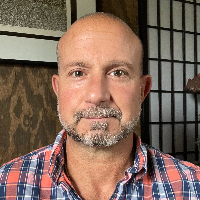
Richard Reihing
LPCC
Practical trauma-informed counseling with EMDR
- Trauma and abuse
- Self esteem
- Depression
Clinical social work directory
80 therapists in this directory list Licensed Professional Clinical Counselor (LPCC). Registration details are shown as each therapist lists them; the body's own public register is the place to check a number.
A Licensed Professional Clinical Counselor (LPCC) is a state-issued licensure for clinicians qualified to provide psychotherapy and clinical counseling. Browse the verified LPCC therapists below to review their listed approaches, specialties, languages, and credentials.
LPCC
Practical trauma-informed counseling with EMDR
LPCC
Healing practical steps for anxiety and trauma
LPC, LPCC
Calm, practical help for life’s hardest moments
LPCC
Practical therapy for trauma and life stress
LPCC
Practical, compassionate therapy for life changes
LPCC
Compassionate clinician focused on practical change
LPCC
Calm, experienced counseling for life's challenges
LPCC
Practical counseling for stress and trauma
LPCC
Practical, goal-focused counseling with trauma care
LPCC, LMHC
Practical trauma-informed counseling with EMDR
LPCC
Calm, practical care for trauma and stress
LPCC, LPC
Practical therapy for relationships and life changes
LPCC, LPC
Therapist focused on stress, trauma, and identity
LPCC
Practical therapy for stress, trauma, and parenting
LPCC, LPC
Compassionate therapist focused on practical change
LPCC
Compassionate counselor focusing on practical growth
LPCC
Practical, compassionate counseling for life challenges
LPCC
Practical, strengths-focused therapy with EMDR included
LPCC
Compassionate practical support for everyday struggles
LPC, LPCC
Guided care for stress, trauma, and growth
LMFT, LPCC
Compassionate trauma and relationship therapist
LPCC
Therapist focused on healing and clarity
LPCC
Compassionate skills-based care for everyday struggles
LPCC, LMHP
Compassionate counselor for lasting change
LPCC
Direct, trauma-informed therapy with practical tools
LPCC
Collaborative counselor focused on recovery and coping
LPCC, LPC
Calm, practical support for life changes
LPCC
Helpful support for stress and relationships
LPCC, LPC
Compassionate clinician focused on practical change
LPCC, LMHC
Compassionate counselor offering practical trauma-informed care
LMFT, LPCC
Calm guidance for trauma, stress, and relationships
LPCC, LCMHC
Compassionate trauma-informed counseling focused on healing
LPC, LPCC
Therapist focused on trauma and relationships
LPCC
Calm, practical care for daily struggles
LPCC
Compassionate, practical therapy for life transitions
LPC, LPCC
Compassionate, practical therapy for life challenges
LPCC, LMHC
Trauma-informed therapist focused on practical skills
LPCC, LPC
Practical support for family and trauma concerns
LPC, LPCC
Warm, practical counseling for healing and direction
LMHC, LPCC
Compassionate counselor focused on practical healing
LPC, LPCC
Compassionate, practical therapy for real problems
LPCC
Empowering, practical therapy for stress and trauma
LPCC
Calm guidance for stress, trauma, and family concerns
Some links on this page are partner links. We will earn a commission if you sign up through one, at no cost to you. It does not change what you pay or the order of the listings.
When you see the LPCC credential, it indicates that a clinician has met state requirements to practice as a professional counselor. Those requirements typically include a graduate degree in counseling or a closely related mental health field, a designated number of supervised clinical hours, and passage of a state or national licensing exam. The exact titles and rules vary by state, but the credential signals that the counselor has gone through a formal licensure process and is authorized to provide psychotherapy and clinical services within the scope defined by their licensing board.
Your counselor with an LPCC generally has completed coursework in areas such as counseling theories, assessment, ethics, lifespan development, and techniques for working with individuals, couples, and families. After the academic portion, they complete supervised clinical hours in practicum and internship settings and then a post-graduate supervised experience. These supervised hours are intended to provide hands-on learning under the oversight of an experienced clinician. State boards require documentation of education and supervision before issuing the LPCC credential.
LPCCs are licensed to deliver psychotherapy and counseling services, conduct clinical assessments, and develop treatment plans within their state-defined scope of practice. You can expect an LPCC to work with a range of mental health and life concerns, using clinical judgement informed by their education and supervised experience. The scope of practice emphasizes talk therapy, behavioral interventions, and care coordination rather than medical interventions.
Different licenses reflect different educational backgrounds and regulatory frameworks. For example, some clinicians hold psychology or social work licenses that have distinct graduate curricula and board rules. While LPCCs focus on counseling approaches and clinical interventions rooted in counseling theory, other license types may include broader training in assessment, research, or medical collaboration. When you compare clinicians, it helps to note degree type, supervised clinical hours, and the license's legal scope rather than assuming that one license is categorically broader or narrower in every state.
LPCCs often work with a wide variety of concerns across the lifespan, including anxiety, depression, relationship issues, life transitions, stress management, grief, and coping with trauma. Many LPCCs choose specialty areas such as work with adolescents, couples counseling, family systems, or adult mental health. Some also list areas like addiction recovery or career counseling among their focus areas. When you read profiles, you will see clinicians describe particular populations and problems they focus on, which can help you identify a match for your needs.
LPCCs may describe the therapeutic approaches they use in their practice. It is important to read phrasing carefully. Profiles often list approaches without indicating formal certification. For example, you might find therapists who list EMDR among their approaches as one of several methods they use. Other approaches commonly mentioned include cognitive-behavioral techniques, humanistic methods, psychodynamic-informed work, and experiential strategies. These descriptions help you understand how a clinician frames treatment and what to expect in sessions.
The most reliable place to verify an LPCC credential is the state licensing board that issues counselor licenses. Each state maintains a license lookup tool or verification service where you can enter a clinician's name or license number to confirm active licensure, expiration dates, and whether any disciplinary actions are recorded. Using the official board website gives you documentation that the license exists and is in good standing according to state records.
When you verify a credential, pay attention to the exact license title, the license number, the status and expiration date, and any notes about restrictions or disciplinary history. You can also confirm the issuing state and check educational credentials if those details are provided. Remember that a license indicates the clinician has met regulatory requirements; it does not measure therapeutic style or match. Use verification as one step in evaluating a clinician's qualifications alongside information about their listed specialties, languages, and experience.
Choosing an LPCC clinician often appeals to people who want a practitioner trained specifically in counseling theories and therapeutic interventions. LPCCs typically have a background focused on clinical counseling and applied skills for working with a broad range of emotional and relational concerns. That emphasis can be especially helpful if you are seeking regular psychotherapy, skill-building for coping strategies, or a clinician who highlights counseling frameworks in their work.
Start by looking at profiles to compare focus areas, stated approaches, languages spoken, and years of experience. Pay attention to how clinicians describe the populations they work with and the issues they list as specialties. If a profile mentions approaches you are interested in, such as EMDR among their approaches, read the wording carefully to understand it as a self-reported practice preference rather than a certification claim. Consider reaching out with questions about their experience with your concern, their general session structure, and how they measure progress. You may also want to confirm licensure through the state board lookup before making a choice.
Think about logistics that matter to you, including whether you prefer in-person or remote work, language needs, and cultural competence. Look for clinicians who describe experience with the populations or life stages relevant to your situation. Note any listed additional credentials or supervision experience that align with your preferences. Ultimately, the therapeutic relationship plays a large role in outcomes, so prioritize clinicians whose communication style and stated focus feel like a match for how you prefer to work in therapy.
Finding the right LPCC therapist involves balancing verification of formal credentials with an honest appraisal of therapy style and specialty areas. Use official license lookups to confirm standing, read profiles for detailed descriptions of approach and focus, and consider reaching out with focused questions about how a clinician typically supports clients with concerns like yours. With careful review, you can identify LPCC clinicians who align with your goals, language needs, and expectations for therapy.