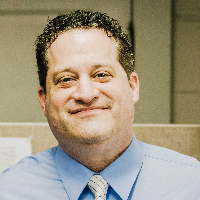
Shlomo Lawrence, LMFT
Florida · 12 years in practice
Shlomo Lawrence is a Licensed Marriage and Family Therapist (LMFT) who helps people facing stress, anxiety, trauma, addiction, relationship strain, grief, and struggles with mood or self-worth.
License and registration
- LMFT, Florida
- MT2918 · expires March 2027
- LMFT, Texas
- 204306 · expires May 2027
- NPI
- 1871878140 · national provider identifier
- Years in practice
- 12
- Languages
- English
Details are as listed on the therapist's public professional profile. You can check the license with the issuing state board, and the NPI with the national registry.
About Shlomo
Shlomo Lawrence is a Licensed Marriage and Family Therapist (LMFT) who helps people facing stress, anxiety, trauma, addiction, relationship strain, grief, and struggles with mood or self-worth. He practices in Florida and brings 12 years of clinical experience to his work. He aims to create a calm space where people can talk and begin to feel steadier in day-to-day life.
He uses straightforward conversation and skills-based work. Sessions focus on small, practical steps that fit into real life.
Background and approach
He draws from approaches such as cognitive behavioral work, mindfulness, dialectical skills, and EMDR to address trauma and painful memories. His background includes years in community and addiction treatment settings and focused work in trauma care. That experience shaped how he responds to crisis, relapse, and recurring distress.
He also has experience helping people manage sleep, eating concerns, and problems tied to caregiving or medical illness. Shlomo describes himself as compassionate and an active listener. He emphasizes trust-building and open dialogue.
He aims to meet people where they are and pace work according to each persons comfort and goals. In sessions he blends problem-solving, skill training, and memory-focused work when appropriate. He also uses coaching-style conversation for career and life-change issues.
His approach tends to be practical, plainspoken, and aimed at helping people regain a sense of control and hope.
Focus areas and approaches
Everything Shlomo lists on their public professional profile, in their own terms.
- Stress, Anxiety
- Addictions
- Relationship issues
- Family conflicts
- Trauma and abuse
- LGBT
- Grief
- Intimacy-related issues
- Eating disorders
- Sleeping disorders
- Parenting issues
- Anger management
- Self esteem
- Career difficulties
- Bipolar disorder
- Depression
- Coping with life changes
- Coaching
- ADHD
- Abandonment
- Adoption and foster care
- Aging and geriatric issues
- Antisocial personality
- Attachment issues
- BDSM, kink, and alternative sex culture
- Blended family issues
- Body image
- Cancer
- Caregiver issues and stress
- Codependency
- Commitment issues
- Communication problems
- Control issues
- Coping with natural or human-caused disaster
- Divorce and separation
- Drug and alcohol addiction
- Eating and food-related issues
- Emptiness
- Hospice and end-of-life counseling
- Impulsivity
- Infidelity
- Intellectual disability
- Isolation / loneliness
- Jealousy
- Life purpose
- Men's issues
- Midlife crisis
- Veteran and Armed Forces Issues
- Money and financial issues
- Mood disorders
- Multicultural concerns
- Narcissism
- Self-love
- Sex addiction
- Sexuality
- Social anxiety and phobia
- Women's issues
- Workplace issues
- Young adult issues
Approaches Shlomo names
- Eye Movement Desensitization and Reprocessing (EMDR)
- Client-Centered Therapy
- Cognitive Behavioral Therapy (CBT)
- Dialectical Behavior Therapy (DBT)
- Mindfulness Therapy
- Motivational Interviewing
- Narrative Therapy
- Psychodynamic Therapy
- Solution-Focused Therapy
- Trauma-Focused Therapy
Naming an approach is not evidence of training in it. This directory copies what each therapist lists and does not check training records.
Online support
Therapeutic approaches and online care
Shlomo commonly uses cognitive behavioral therapy and EMDR-informed methods along with client-centered work. Cognitive behavioral therapy (CBT) focuses on identifying unhelpful thoughts and testing new behaviors to reduce anxiety and depression. EMDR-informed work addresses disturbing memories and their emotional impact using structured processing techniques to help reduce distress. Client-centered therapy centers on listening, empathy, and collaborative goal-setting so people feel heard and respected.Choosing the right approach is a shared process. The therapist will talk with each person about symptoms, history, and goals, and together they decide whether skill training, memory-focused work, or a mix of methods will be most helpful. Plans are adjusted over time based on what feels useful and doable.
Online sessions offer several practical benefits. Video calls allow face-to-face conversation when a fuller check-in is useful. Phone sessions can be shorter or easier when bandwidth or being on camera is not desirable. Live chat and text-based messaging support brief check-ins, ongoing coaching, or supplemental contact between sessions. These options make it easier to fit therapy around work, caregiving, or travel while keeping consistent progress.
We will earn a commission if you sign up through our link, at no cost to you. It does not change what you pay or the order of the listings.
Questions people ask
What concerns does Shlomo help with?
He works with stress, anxiety, addiction, trauma and abuse, relationship and family issues, grief, mood disorders, and life transitions. He also supports people with intimacy, eating or sleeping struggles, parenting strain, and career questions.
How would you describe his therapy style?
Sessions are practical and conversational with an emphasis on listening and trust. He mixes skill teaching, problem-solving, and memory-focused methods to fit each person's goals.
What is his clinical background?
He has 12 years of experience working in community treatment, addiction programs, and trauma settings. That experience informs his work with co-occurring issues and complex stress.
What credentials and location are listed?
He is a Licensed Marriage and Family Therapist (LMFT) with licensure in Florida and Texas, and practices from Florida.
Which languages are supported and are international clients accepted?
Sessions are offered in English. International clients are not currently accepted.
What session formats are available?
He provides video calls, phone sessions, live chat, and text-based messaging to fit different schedules and preferences.
How does pricing work?
Cost varies with location and therapist availability; sessions use a subscription model that can be canceled at any time.
How do I begin working with him?
Choose the Start Therapy button, complete a short matching questionnaire, and schedule sessions according to the therapist's availability.
More therapists in Florida
See allSteven Brashear
LMHC
Practical, values-focused trauma and anxiety help
- Stress, Anxiety
- Trauma and abuse
- Grief

Debra Matthews-Robinson
LCSW
Calm guidance for life’s hardest moments
- Stress, Anxiety
- Addictions
- Grief
Daniele Trevathan
LMHC
Practical skills for anxiety and trauma recovery
- Stress, Anxiety
- Addictions
- Trauma and abuse
Is this your profile?
Ask us to correct details or take the page down.
Contact us