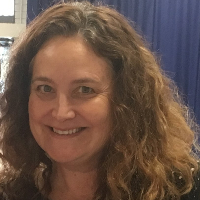
Rhonda Hunt, LMFT
California · 20 years in practice
Rhonda Hunt is a California-based licensed marriage and family therapist (LMFT) with 20 years of clinical experience.
License and registration
- LMFT, California
- 44141 · expires June 2026
- NPI
- 1821118183 · national provider identifier
- Years in practice
- 20
- Languages
- English
Details are as listed on the therapist's public professional profile. You can check the license with the issuing state board, and the NPI with the national registry.
About Rhonda
Rhonda Hunt is a California-based licensed marriage and family therapist (LMFT) with 20 years of clinical experience. She helps people who are struggling with anxiety, depression, trauma, relationship tension, grief, and life changes. Her work often covers stress, addiction concerns, parenting strain, and issues around intimacy and self-esteem.
Rhonda uses straightforward, collaborative sessions. She listens first, then helps clients set small, practical goals. Conversations focus on improving communication, managing panic or worry, and rebuilding self-worth.
Background and approach
Sessions can include mindfulness exercises and skill-building to handle daily stresses. Her background includes long experience guiding people through trauma and abuse recovery. Eye Movement Desensitization and Reprocessing (EMDR) is one approach she uses when working through traumatic memories.
She also draws on cognitive behavioral techniques to change patterns of thinking and client-centered methods to keep the client's priorities central. Rhonda pays attention to family of origin issues, abandonment wounds, codependency, and forgiveness work. She supports people dealing with career shifts, money worries, and midlife transitions.
Practical steps and homework are often part of the process to keep momentum between sessions. Sessions are offered in English and delivered remotely to people in California. Communication options include video calls, phone sessions, live chat, and text-based messaging.
Rhonda frames therapy as a partnership focused on steady, manageable change.
Focus areas and approaches
Everything Rhonda lists on their public professional profile, in their own terms.
- Stress, Anxiety
- Relationship issues
- Family conflicts
- Trauma and abuse
- Depression
- Addictions
- LGBT
- Grief
- Intimacy-related issues
- Parenting issues
- Anger management
- Self esteem
- Career difficulties
- Coping with life changes
- Compassion fatigue
- Abandonment
- Codependency
- Communication problems
- Coping with natural or human-caused disaster
- Family of origin issues
- Fatherhood issues
- Forgiveness
- Guilt and shame
- Life purpose
- Midlife crisis
- Money and financial issues
- Mood disorders
- Panic disorder and panic attacks
- Post-traumatic stress
- Self-love
- Social anxiety and phobia
- Women's issues
Approaches Rhonda names
- Eye Movement Desensitization and Reprocessing (EMDR)
- Client-Centered Therapy
- Cognitive Behavioral Therapy (CBT)
- Imago Relationship Therapy
- Mindfulness Therapy
- Motivational Interviewing
- Psychodynamic Therapy
- Solution-Focused Therapy
Naming an approach is not evidence of training in it. This directory copies what each therapist lists and does not check training records.
Online support
Therapeutic approaches you can access online
Rhonda often combines client-centered work with cognitive behavioral strategies to create clear, practical plans. Client-centered Therapy focuses on listening, reflecting, and following the client's priorities to build trust and self-direction. Cognitive Behavioral Therapy (CBT) addresses unhelpful thoughts and behaviors with hands-on exercises and homework to reduce anxiety, panic attacks, and mood symptoms.She also uses Eye Movement Desensitization and Reprocessing (EMDR) for trauma processing when appropriate. EMDR involves guided techniques to help lessen the intensity of traumatic memories and associated reactions. Choosing which approach to use is a team effort; Rhonda works with each person to test what helps most and adjusts methods based on goals and responses.
Online formats include video calls, phone sessions, live chat, and text-based messaging. Video lets people work face-to-face from home while phone sessions can be a simpler option that uses less bandwidth. Live chat and messaging can support brief check-ins, ongoing coaching, or between-session follow-up. These options make it easier to fit therapy into work, childcare, or busy schedules while maintaining a consistent course of care.
We will earn a commission if you sign up through our link, at no cost to you. It does not change what you pay or the order of the listings.
Questions people ask
What concerns does Rhonda address?
She works with stress, anxiety, depression, trauma and abuse, relationship tension, grief, addictions, parenting issues, and many related concerns such as abandonment, codependency, and self-esteem.
What is her therapeutic style like?
Sessions are collaborative and client-focused. Rhonda listens first, then helps set concrete goals and practical steps to manage symptoms and improve communication.
How much clinical experience does she have?
Rhonda has 20 years of experience as a practicing clinician working with a broad range of emotional and relational issues.
What credentials does she hold and where is she based?
She is a licensed marriage and family therapist - LMFT - licensed in California and practices with clients located in that state.
Which languages are sessions offered in?
Sessions are offered in English.
What session formats are available?
Rhonda offers video calls, phone sessions, live chat, and text-based messaging to accommodate different schedules and needs.
How are costs and billing handled?
Costs vary with location and therapist availability. Sessions use a subscription model that can be canceled at any time.
How do I begin working with her?
Start by selecting the Start Therapy button and completing a short matching questionnaire, then schedule sessions according to therapist availability.
More therapists in California
See allKatherine Eldean
LMFT
Experienced therapist guiding practical change
- Stress, Anxiety
- Addictions
- Relationship

Menachem Stulberger
LMFT
Compassionate therapist combining practical strategies
- Stress, Anxiety
- Family
- Parenting
Dr. Monica Kelson
CA Psychologist
Calm, experienced psychologist focused on trauma care
- Stress, Anxiety
- Trauma and abuse
- Self esteem

Is this your profile?
Ask us to correct details or take the page down.
Contact us