
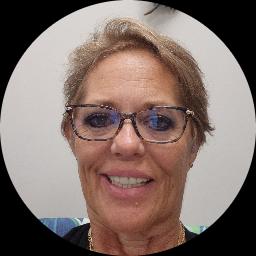
Patricia Karl, LMHC
Florida · 16 years in practice
Patricia Karl is a Licensed Mental Health Counselor (LMHC) in Florida with 16 years of clinical experience.
License and registration
- LMHC, Florida
- MH12429 · expires March 2027
- NPI
- 1124311378 · national provider identifier
- Years in practice
- 16
- Languages
- English
Details are as listed on the therapist's public professional profile. You can check the license with the issuing state board, and the NPI with the national registry.
About Patricia
Patricia Karl is a Licensed Mental Health Counselor (LMHC) in Florida with 16 years of clinical experience. She focuses on helping adults who feel overwhelmed by anxiety, trauma, depression, or major life changes. Patricia uses a direct and compassionate style to support practical steps forward.
She combines client-centered work with focused strategies to help people see patterns in their reactions. Patricia draws on Cognitive Behavioral Therapy to identify unhelpful thoughts and build new skills.
Background and approach
She also uses EMDR to address trauma-related memories when that fits a person's needs. Patricia pays attention to how attachment and early relationships shape current behavior. She helps people understand where patterns come from and how to change them in small, manageable steps.
That can include improving communication, setting boundaries, or coping with grief and loss. Sessions mix short-term problem solving and deeper exploration depending on goals. Patricia aims to give tools people can use between appointments to feel steadier day to day.
Her approach is practical, collaborative, and aimed at creating measurable shifts in how someone copes. People who seek her help often want relief from stress, better emotional balance, or clearer direction after a life shift. Patricia works with concerns such as addiction, anger, intimacy-related issues, caregiver stress, chronic illness, codependency, dissociation, and related challenges.
She meets clients where they are and helps them move forward.
Focus areas and approaches
Everything Patricia lists on their public professional profile, in their own terms.
- Stress, Anxiety
- Trauma and abuse
- Depression
- Addictions
- Family conflicts
- Grief
- Intimacy-related issues
- Anger management
- Self esteem
- Coping with life changes
- Abandonment
- Attachment issues
- Blended family issues
- Caregiver issues and stress
- Chronic pain, illness, and disability
- Co-morbidity
- Codependency
- Commitment issues
- Communication problems
- Control issues
- Dependent personality
- Disruptive Mood Dysregulation Disorder (DMDD)
- Dissociation
- Divorce and separation
- Emptiness
- Family of origin issues
- Family problems
- Forgiveness
- Guilt and shame
- Impulsivity
- Isolation / loneliness
- Jealousy
- Life purpose
- Midlife crisis
- Money and financial issues
- Mood disorders
- Panic disorder and panic attacks
- Post-traumatic stress
- Self-love
- Sexual assault and abuse
- Social anxiety and phobia
- Workplace issues
Approaches Patricia names
- Eye Movement Desensitization and Reprocessing (EMDR)
- Client-Centered Therapy
- Cognitive Behavioral Therapy (CBT)
- Psychodynamic Therapy
- Solution-Focused Therapy
- Somatic Therapy
- Trauma-Focused Therapy
- Internal Family Systems
Naming an approach is not evidence of training in it. This directory copies what each therapist lists and does not check training records.
Online support
How EMDR, CBT, and Client-Centered Work Translate Online
Client-centered therapy focuses on the person's experience and values. It involves open listening and reflection to help someone feel understood and to clarify goals. This approach helps with building trust and deciding what to work on first.Cognitive Behavioral Therapy (CBT) looks at thoughts and behaviors that keep problems going. Online CBT often uses short exercises, worksheets, and skill practice between sessions to reduce anxiety, depression, or unhelpful habits. Eye Movement Desensitization and Reprocessing (EMDR) addresses distressing memories and related symptoms through structured processing techniques when appropriate for the person's goals.
Choosing the right approach is a shared process. Patricia will talk with each person about their symptoms, goals, and preferences and will adapt methods over time. The plan can mix therapy styles and change as progress is made, keeping the client involved in decisions.
Online formats include video calls, phone sessions, live chat, and text-based messaging. Video calls let people work visually and practice skills in real time. Phone sessions can suit someone who needs lower bandwidth or wants a focused check-in. Live chat and messaging allow brief check-ins, reflections, and ongoing support between appointments. These options make scheduling more flexible and can help therapy fit into busy lives.
We will earn a commission if you sign up through our link, at no cost to you. It does not change what you pay or the order of the listings.
Questions people ask
What kinds of concerns does Patricia address?
She supports adults with stress, anxiety, trauma and abuse, depression, addictions, grief, intimacy-related issues, anger, self-esteem struggles, and coping with life changes.
What is her therapeutic style like?
Her style is direct, compassionate, and collaborative, blending insight work with practical tools to help people feel steadier between sessions.
How much experience does she have?
She has 16 years of experience working as a mental health counselor in Florida.
What are her credentials and where is she based?
She is a Licensed Mental Health Counselor, listed as LMHC, and practices in Florida.
Which languages are offered for sessions?
Sessions are offered in English.
What session formats are available?
Therapy is offered via video calls, phone sessions, live chat, or text-based messaging to fit different needs and schedules.
How are fees and billing handled?
Costs vary with location and therapist availability; sessions use a subscription model that can be canceled at any time.
How do I begin working with her?
Start by selecting the Start Therapy button, complete a short matching questionnaire, and then schedule sessions according to therapist availability.
More therapists in Florida
See allSteven Brashear
LMHC
Practical, values-focused trauma and anxiety help
- Stress, Anxiety
- Trauma and abuse
- Grief

Debra Matthews-Robinson
LCSW
Calm guidance for life’s hardest moments
- Stress, Anxiety
- Addictions
- Grief
Daniele Trevathan
LMHC
Practical skills for anxiety and trauma recovery
- Stress, Anxiety
- Addictions
- Trauma and abuse
Is this your profile?
Ask us to correct details or take the page down.
Contact us