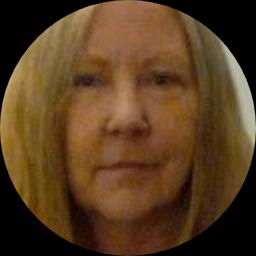
Mary Radaker, LPC
Pennsylvania · 18 years in practice
Mary Radaker is a licensed professional counselor (LPC) practicing in Pennsylvania with 18 years of experience.
License and registration
- LPC, Pennsylvania
- PC008134 · expires February 2027
- NPI
- 1235505157 · national provider identifier
- Years in practice
- 18
- Languages
- English
Details are as listed on the therapist's public professional profile. You can check the license with the issuing state board, and the NPI with the national registry.
About Mary
Mary Radaker is a licensed professional counselor (LPC) practicing in Pennsylvania with 18 years of experience. She focuses on helping people manage stress, anxiety, addiction concerns, trauma, and depression. Mary aims to make the first step into therapy feel manageable and supportive.
Mary creates a calm space where clients can share thoughts and feelings without judgment. She listens closely and helps people name what feels hardest. Sessions are practical and down-to-earth, with a focus on small, useful changes that fit everyday life.
Background and approach
Her work draws on several approaches including client-centered methods, cognitive behavioral techniques, dialectical behavior strategies, and EMDR. That mix lets her match tools to the issue at hand, whether it is panic, intrusive memories, or persistent low mood. Mary also pays attention to life situations that often get overlooked, such as body image, isolation and relationship struggles like communication problems or divorce.
She supports people dealing with guilt, shame, impulsivity, and the ripple effects of infidelity. In sessions she breaks problems into small steps. She helps clients build coping skills, practice new ways of thinking, and try experiments between meetings.
The aim is steady progress toward clearer goals and a more manageable day-to-day life.
Focus areas and approaches
Everything Mary lists on their public professional profile, in their own terms.
- Stress, Anxiety
- Addictions
- Trauma and abuse
- Depression
- Body image
- Communication problems
- Divorce and separation
- Guilt and shame
- Impulsivity
- Infidelity
- Intellectual disability
- Isolation / loneliness
- Life purpose
- Mood disorders
- Obsessions, compulsions, and OCD
- Panic disorder and panic attacks
- Personality disorders
- Phobias
- Post-traumatic stress
- Process addiction (porn, exercise, gambling)
- Seasonal Affective Disorder (SAD)
- Self-harm
- Social anxiety and phobia
- Women's issues
Approaches Mary names
- Eye Movement Desensitization and Reprocessing (EMDR)
- Client-Centered Therapy
- Cognitive Behavioral Therapy (CBT)
- Dialectical Behavior Therapy (DBT)
- Gottman Method
- Mindfulness Therapy
- Narrative Therapy
- Solution-Focused Therapy
- Trauma-Focused Therapy
Naming an approach is not evidence of training in it. This directory copies what each therapist lists and does not check training records.
Online support
How therapy approaches work online
Client-centered therapy focuses on the person's own goals and perspective. The therapist listens closely, reflects what is said, and helps people find their own solutions to stress and relationship struggles.Cognitive behavioral therapy, or CBT, looks at how thoughts and behaviors keep problems going. It teaches concrete skills to change unhelpful thinking patterns and build better routines for anxiety, mood concerns, and compulsive behaviors.
Eye Movement Desensitization and Reprocessing, EMDR, is used to reduce the hold of painful memories. Sessions involve guided attention to help people process traumatic events and reduce distress linked to those memories.
Choosing the right approach is a joint process. The therapist will talk through goals, preferences, and day-to-day challenges to decide which methods to try first. That plan can change as progress is made, and clients are invited to give feedback along the way.
Online therapy offers several practical benefits. Video calls let people work face-to-face when schedules or distance make in-person visits hard. Phone sessions and live chat require less setup and can fit into a break from work or a busy day. Text-based messaging supports short check-ins and ongoing reflection between sessions. These options make it easier to keep continuity of care and to practice skills in real-life moments.
We will earn a commission if you sign up through our link, at no cost to you. It does not change what you pay or the order of the listings.
Questions people ask
What concerns does Mary often address?
She works with stress, anxiety, addictions, trauma and abuse, and depression, along with related issues such as body image, isolation, and panic attacks.
What is her therapeutic style like?
Her approach is warm and down-to-earth, focusing on listening, practical coping skills, and clear steps clients can try between sessions.
How much experience does she have?
Mary has 18 years of professional experience providing counseling services in clinical settings and outpatient work.
What are Mary’s credentials and location?
She holds the LPC credential and practices in Pennsylvania.
Which languages are supported?
Sessions are offered in English.
Can people outside the United States work with her?
International clients are not currently accepted.
What session formats are used?
Mary offers video calls, phone sessions, live chat, and text-based messaging for flexible scheduling and communication.
How are sessions priced and scheduled?
Cost varies by location and therapist availability and uses a subscription that can be canceled at any time; to start, select the Start Therapy button and complete a short matching questionnaire.
More therapists in Pennsylvania
See all
Constance Moody
LPC
Practical therapy for stress and addiction recovery
- Stress, Anxiety
- Addictions
- Depression
Susan Lockard
LPC
Compassionate, practical therapy for life’s storms
- Stress, Anxiety
- Trauma and abuse
- Self esteem
Is this your profile?
Ask us to correct details or take the page down.
Contact us