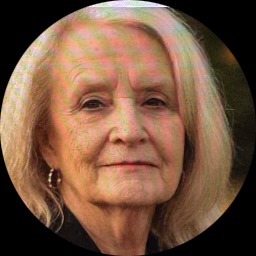
Constance Moody, LPC
Pennsylvania · 20 years in practice
Constance Moody is a licensed professional counselor (LPC) with 20 years of experience.
License and registration
- LPC, Pennsylvania
- PC003240 · expires February 2027
- NPI
- 1578184008 · national provider identifier
- Years in practice
- 20
- Languages
- English
Details are as listed on the therapist's public professional profile. You can check the license with the issuing state board, and the NPI with the national registry.
About Constance
Constance Moody is a licensed professional counselor (LPC) with 20 years of experience. She focuses on practical, skills-based work to help people manage stress, anxiety, addictions, mood concerns, and self-esteem struggles. Her approach is down-to-earth and goal-oriented so families and individuals can see progress in daily life.
Constance draws on cognitive behavioral therapy to help people notice unhelpful thinking patterns. She teaches simple tools to shift those patterns and change how people feel and act.
Background and approach
She also uses dialectical behavior therapy skills for emotional regulation and interpersonal effectiveness when those are helpful. She has substantial experience in addiction, including drug, alcohol, and food-related problems. Constance also supports people facing bipolar disorder, depression, eating issues, personality challenges, and self-harm concerns.
She pays attention to family of origin issues, codependency, and common struggles like guilt, shame, and finding life purpose. Constance includes mindfulness practices to help clients build awareness and steady attention. She also lists eye movement desensitization and reprocessing (EMDR) among her approaches.
Her goal is to teach tools clients can use on their own long after sessions end. Constance practices in Pennsylvania and provides services in English. She aims for respectful, compassionate care and focuses on clear, teachable strategies that fit each person’s situation.
Focus areas and approaches
Everything Constance lists on their public professional profile, in their own terms.
- Stress, Anxiety
- Addictions
- Depression
- Eating disorders
- Self esteem
- Bipolar disorder
- Aging and geriatric issues
- Autism and Asperger Syndrome
- Codependency
- Dependent personality
- Drug and alcohol addiction
- Eating and food-related issues
- Family of origin issues
- Forgiveness
- Guilt and shame
- Life purpose
- Mood disorders
- Personality disorders
- Postpartum depression
- Seasonal Affective Disorder (SAD)
- Self-harm
- Smoking / vaping cessation
- Social anxiety and phobia
- Women's issues
- Workplace issues
Approaches Constance names
- Eye Movement Desensitization and Reprocessing (EMDR)
- Cognitive Behavioral Therapy (CBT)
- Dialectical Behavior Therapy (DBT)
- Mindfulness Therapy
Naming an approach is not evidence of training in it. This directory copies what each therapist lists and does not check training records.
Online support
Using CBT, DBT, and EMDR in online care
Constance commonly uses cognitive behavioral therapy to help people spot thoughts that keep them stuck and learn practical steps to change reactions. CBT sessions focus on breaking problems into small parts so goals feel manageable.She also brings elements of dialectical behavior therapy, teaching skills for emotional regulation, distress tolerance, and better communication. DBT skills work well when strong emotions or relationship patterns are getting in the way. Constance lists eye movement desensitization and reprocessing (EMDR) among her approaches; EMDR is used to process distressing memories and reduce their emotional charge when that fits the person's needs.
Deciding which approach to use is a collaborative process. The therapist will talk with each person about goals, preferences, and what has worked before. Together they choose techniques and adjust the plan as progress unfolds.
Online therapy offers flexible ways to connect, including video calls, phone sessions, live chat, and text-based messaging. Video works well for deeper sessions that benefit from visual contact. Phone calls can be easier on low-bandwidth days or when hands-free time is needed. Live chat and texting are useful for shorter check-ins, homework, and ongoing skill practice between sessions.
We will earn a commission if you sign up through our link, at no cost to you. It does not change what you pay or the order of the listings.
Questions people ask
What concerns does she commonly address?
She helps people with stress, anxiety, addictions, depression, eating concerns, low self-esteem, and bipolar-related issues. Additional focuses include mood and personality disorders, codependency, and family of origin matters.
What is her therapeutic style?
Her style is practical and skills-focused. She uses clear, teachable tools so clients can apply them outside sessions.
How much experience does she have?
She holds 20 years of clinical experience working across addiction and mood-related areas. That background informs her day-to-day approach.
What credentials and location are listed?
She is a Licensed Professional Counselor, LPC, practicing in Pennsylvania.
Which languages are supported?
Sessions are offered in English and she does not accept international clients at this time.
What session formats are available?
Sessions are available by video calls, phone, live chat, or text-based messaging to fit different preferences.
How does payment or cost work?
Cost varies with location and therapist availability, and sessions use a subscription model that can be canceled at any time.
How do I begin working with her?
Start by selecting the Start Therapy button, complete a short matching questionnaire, and schedule according to the therapist's availability.
More therapists in Pennsylvania
See all
Susan Lockard
LPC
Compassionate, practical therapy for life’s storms
- Stress, Anxiety
- Trauma and abuse
- Self esteem

Is this your profile?
Ask us to correct details or take the page down.
Contact us