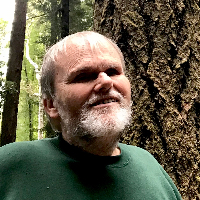
Leonard Burns, LMFT
California · 35 years in practice
Leonard Burns is a Licensed Marriage and Family Therapist (LMFT) with 35 years of clinical experience in California.
License and registration
- LMFT, California
- 25369 · expires May 2027
- NPI
- 1780759134 · national provider identifier
- Years in practice
- 35
- Languages
- English
Details are as listed on the therapist's public professional profile. You can check the license with the issuing state board, and the NPI with the national registry.
About Leonard
Leonard Burns is a Licensed Marriage and Family Therapist (LMFT) with 35 years of clinical experience in California. He helps people facing stress, anxiety, depression, trauma and abuse, relationship struggles, grief, addictions, issues around intimacy and self-esteem, and parenting concerns. He also supports those coping with chronic illness, caregiver strain, and the effects of major life changes.
He favors a straightforward, relational style. He focuses on building an honest connection first, then works with each person to set realistic goals.
Background and approach
Sessions are conversational and practical, often combining talk therapy with structured tools to manage symptoms day to day. Leonard’s background blends family systems thinking, psychodynamic ideas, and EMDR - Eye Movement Desensitization and Reprocessing - as part of his toolkit. He draws on Cognitive Behavioral Therapy and Acceptance and Commitment Therapy techniques when they fit the client’s goals.
He adapts methods to each person rather than following one fixed path. Clients can expect a calm, patient presence aimed at helping them tolerate hard feelings and take effective steps forward. He emphasizes understanding patterns in relationships and attachment, and then practicing new ways of relating and coping.
Leonard speaks English and practices in California as an LMFT. For people who prefer remote options, he offers video calls, phone sessions, live chat, and text-based messaging. Getting started involves completing a short matching questionnaire and scheduling a time that fits the client’s needs.
Focus areas and approaches
Everything Leonard lists on their public professional profile, in their own terms.
- Stress, Anxiety
- Relationship issues
- Family conflicts
- Trauma and abuse
- Grief
- Addictions
- LGBT
- Intimacy-related issues
- Sleeping disorders
- Parenting issues
- Anger management
- Self esteem
- Depression
- Coping with life changes
- Compassion fatigue
- ADHD
- Abandonment
- Aging and geriatric issues
- Attachment issues
- Avoidant personality
- Blended family issues
- Cancer
- Caregiver issues and stress
- Chronic pain, illness, and disability
- Codependency
- Commitment issues
- Communication problems
- Control issues
- Coping with natural or human-caused disaster
- Dependent personality
- Dissociation
- Divorce and separation
- Domestic violence
- Family of origin issues
- Family problems
- Guilt and shame
- Hospice and end-of-life counseling
- Infidelity
- Intellectual disability
- Isolation / loneliness
- Jealousy
- Life purpose
- Men's issues
- Midlife crisis
- Personality disorders
- Post-traumatic stress
- Prejudice and discrimination
- Self-love
- Social anxiety and phobia
- Traumatic brain injury
- Visually impaired
- Workplace issues
- Young adult issues
Approaches Leonard names
- Eye Movement Desensitization and Reprocessing (EMDR)
- Acceptance and Commitment Therapy (ACT)
- Attachment-Based Therapy
- Client-Centered Therapy
- Cognitive Behavioral Therapy (CBT)
- Existential Therapy
- Jungian Therapy
- Mindfulness Therapy
- Motivational Interviewing
- Narrative Therapy
- Psychodynamic Therapy
- Solution-Focused Therapy
- Somatic Therapy
- Trauma-Focused Therapy
Naming an approach is not evidence of training in it. This directory copies what each therapist lists and does not check training records.
Online support
Approaches to change offered online
Acceptance and Commitment Therapy, or ACT, focuses on noticing painful thoughts and feelings without fighting them and committing to actions that reflect personal values. It can help people stuck in avoidance, struggling with anxiety, or facing major life changes. Cognitive Behavioral Therapy, or CBT, looks at unhelpful thought and behavior patterns and teaches specific skills to reduce symptoms like worry and depression. It is useful for anxiety, sleep problems, and low mood. Attachment-Based Therapy explores how early relationship patterns shape current connections and emotional responses, helping clients who want to change how they relate to others.Finding the right approach is part of the work. Leonard will talk with each person about their needs, history, and goals, and then suggest which methods to try first. Decisions are collaborative and can shift as progress is made or new issues emerge.
Online therapy offers practical flexibility. Video calls allow face-to-face conversation when visual cues matter. Phone sessions work when bandwidth or camera use is difficult. Live chat and text-based messaging make it possible to check in between sessions or have shorter, focused conversations. These options make it easier to fit therapy into busy schedules and to continue work during life transitions.
We will earn a commission if you sign up through our link, at no cost to you. It does not change what you pay or the order of the listings.
Questions people ask
What concerns does Leonard address?
He works with stress, anxiety, depression, trauma and abuse, relationship and intimacy issues, grief, addictions, sleep problems, ADHD, and related concerns such as caregiver stress and chronic illness.
What is his therapeutic style?
He emphasizes a direct, relational approach that begins with building a strong, honest connection and then uses practical tools to help clients meet goals.
How much experience does he have?
He has 35 years of clinical experience as a Licensed Marriage and Family Therapist practicing in California.
What are his credentials and location?
He is a California Licensed Marriage and Family Therapist - LMFT - and practices in California.
In which languages are sessions offered?
Sessions are offered in English only.
What session formats are available?
He provides video calls, phone sessions, live chat, and text-based messaging to accommodate different needs and preferences.
How does pricing work?
Cost varies with location and therapist availability; sessions use a subscription model that can be canceled at any time.
How do I begin working with him?
Choose the Start Therapy button, fill out a short matching questionnaire, and then schedule sessions based on the therapist's availability.
More therapists in California
See allKatherine Eldean
LMFT
Experienced therapist guiding practical change
- Stress, Anxiety
- Addictions
- Relationship


Menachem Stulberger
LMFT
Compassionate therapist combining practical strategies
- Stress, Anxiety
- Family
- Parenting

Dr. Monica Kelson
CA Psychologist
Calm, experienced psychologist focused on trauma care
- Stress, Anxiety
- Trauma and abuse
- Self esteem

Is this your profile?
Ask us to correct details or take the page down.
Contact us