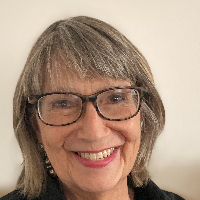
Patricia Manning, LPC
South Carolina · 11 years in practice
Patricia Manning is a Licensed Professional Counselor (LPC) who uses EMDR alongside other therapies to help people recover from trauma and manage overwhelming emotions.
License and registration
- LPC, South Carolina
- 6060 · expires August 2027
- LPC, Oregon
- C5983 · expires March 2027
- NPI
- 1487113593 · national provider identifier
- Years in practice
- 11
- Languages
- English
Details are as listed on the therapist's public professional profile. You can check the license with the issuing state board, and the NPI with the national registry.
About Patricia
Patricia Manning is a Licensed Professional Counselor (LPC) who uses EMDR alongside other therapies to help people recover from trauma and manage overwhelming emotions. She frames therapy around relationships and practical skills, and she aims to make therapy feel calm and straightforward. Patricia draws on eleven years of counseling experience.
She has worked in child protection, foster care, residential treatment, psychiatric settings, and shelters. That background shapes how she thinks about attachment, trauma, adoption and family challenges.
Background and approach
Her approach is client-centered and attachment-focused. Sessions often include techniques from cognitive behavioral therapy and dialectical behavior therapy to address anxiety, depression, anger, and stress. EMDR is used as one option for processing distressing memories and trauma symptoms.
Parents and caregivers may find her helpful for parenting stress, blended family concerns, caregiver burnout, and attachment issues. She also supports people dealing with grief, relationship problems, intimacy concerns, and life transitions. Patricia keeps language plain and practical in sessions.
She likes to teach concrete coping skills, practice them together, and talk about how those skills fit daily life. She also challenges patterns that get in the way of goals while honoring each person’s pace and values.
Focus areas and approaches
Everything Patricia lists on their public professional profile, in their own terms.
- Stress, Anxiety
- Family conflicts
- Trauma and abuse
- Parenting issues
- Self esteem
- Relationship issues
- Grief
- Intimacy-related issues
- Anger management
- Career difficulties
- Depression
- Coping with life changes
- Compassion fatigue
- ADHD
- Adoption and foster care
- Attachment issues
- Blended family issues
- Caregiver issues and stress
- Codependency
- Coping with natural or human-caused disaster
- Dissociation
- Divorce and separation
- Domestic violence
- Emptiness
- Family problems
- Forgiveness
- Guilt and shame
- Isolation / loneliness
- Life purpose
- Midlife crisis
- Panic disorder and panic attacks
- Post-traumatic stress
- Seasonal Affective Disorder (SAD)
- Self-harm
- Self-love
- Sexual assault and abuse
- Social anxiety and phobia
- Women's issues
- Workplace issues
- Young adult issues
Approaches Patricia names
- Eye Movement Desensitization and Reprocessing (EMDR)
- Attachment-Based Therapy
- Client-Centered Therapy
- Cognitive Behavioral Therapy (CBT)
- Dialectical Behavior Therapy (DBT)
- Mindfulness Therapy
- Narrative Therapy
- Solution-Focused Therapy
- Trauma-Focused Therapy
Naming an approach is not evidence of training in it. This directory copies what each therapist lists and does not check training records.
Online support
How therapy approaches like EMDR and CBT work online
Patricia commonly blends EMDR with attachment-based and client-centered approaches. EMDR focuses on processing distressing memories through guided bilateral stimulation and can help people with trauma and abuse symptoms. Attachment-based work looks at relationship patterns and helps people understand how early bonds affect current trust and closeness. Client-centered therapy emphasizes listening, validation, and working at the client’s pace to set meaningful goals.Choosing which method to use is a team effort. The therapist will talk with the client about goals, symptoms, and preferences and then suggest approaches to try. That plan can change as progress unfolds, and sessions include skill practice and regular check-ins about what helps most.
Online formats include video calls, phone sessions, live chat, and text-based messaging, which let people fit therapy into busy lives. Video sessions allow face-to-face conversation and guided exercises. Phone calls work well when bandwidth is limited or when someone needs a shorter check-in. Messaging and live chat can support brief skills practice between sessions or ongoing reflection. These options make it easier to keep regular appointments and to use therapy tools in real time.
We will earn a commission if you sign up through our link, at no cost to you. It does not change what you pay or the order of the listings.
Questions people ask
What concerns does Patricia commonly help people with?
She works with stress, anxiety, depression, trauma and abuse, parenting and family issues, grief, relationship and intimacy concerns, anger, career stress, ADHD, and coping with life changes.
What is her therapeutic style like?
Her style is client-centered and relational, with practical skill-building. She combines attachment work with CBT and DBT techniques and uses EMDR as one approach for trauma processing.
How much clinical experience does she have?
Patricia has eleven years of counseling experience across child protection, foster care, residential treatment, psychiatric facilities, and shelters.
Where is she licensed and based?
She holds LPC credentials and is listed with SC LPC and OR LPC, and she practices from Oregon.
Can sessions be conducted in other languages?
Sessions are offered in English.
What kinds of session formats are available?
She offers video calls, phone sessions, live chat, and text-based messaging to fit different schedules and needs.
How does cost and billing work?
Fees vary by location and therapist availability; sessions use a subscription model that can be canceled at any time.
How do I begin working with her?
Click the Start Therapy button, complete a short matching questionnaire, and schedule sessions according to the therapist's availability.
More therapists in Oregon
See allSharie Kelley
LCSW
Compassionate, experienced trauma and addiction clinician
- Stress, Anxiety
- Addictions
- Trauma and abuse

Charles McBride (he/him)
LPC
Compassionate LPC guiding practical change
- Stress, Anxiety
- Addictions
- Relationship

Dr. Justin Panneck
LPC
Compassionate clinician blending clinical and nature-based work
- Stress, Anxiety
- Self esteem
- Career

Is this your profile?
Ask us to correct details or take the page down.
Contact us