
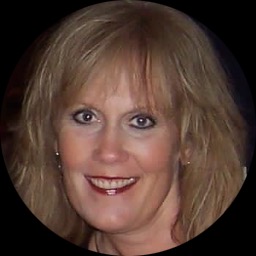
Michelle Ross, LPC
Idaho · 4 years in practice
Michelle Ross is a licensed professional counselor who focuses on helping people manage stress, anxiety, depression, bipolar disorder, trauma, and LGBTQ concerns.
License and registration
- LPC, Idaho
- LPC-9411 · expires October 2026
- NPI
- 1780361956 · national provider identifier
- Years in practice
- 4
- Languages
- English
Details are as listed on the therapist's public professional profile. You can check the license with the issuing state board, and the NPI with the national registry.
About Michelle
Michelle Ross is a licensed professional counselor who focuses on helping people manage stress, anxiety, depression, bipolar disorder, trauma, and LGBTQ concerns. She approaches care with straightforward, practical guidance and respect for each person's experience. Michelle speaks English and practices in Idaho as an LPC.
Her background includes a Bachelor of Arts in German Language and Literature from the University of Oregon and a Bachelor of Science in Clinical Psychology from the University of Idaho.
Background and approach
She also earned a Master of Arts in Clinical Psychology from Pepperdine University with an emphasis in marriage and family counseling. Before entering mental health work she served four years in the U.S. Navy as a Machinist Mate and reached the rank of Petty Officer 3rd Class.
Michelle uses a mix of approaches and adapts them to each person’s needs. She regularly works with Cognitive Behavioral Therapy and Dialectical Behavior Therapy, and she incorporates Eye Movement Desensitization and Reprocessing when it fits the work. Mindfulness techniques are used to build awareness and reduce reactivity.
Sessions focus on clear steps people can try between meetings. That might include practicing coping skills, testing small behavior changes, or using grounding and breathing tools for intense feelings. Michelle emphasizes collaboration and helps people set practical goals they can notice over time.
Clients who choose her often look for calm, direct guidance and a down-to-earth style. The work aims to reduce overwhelming moments and increase the skills people use day to day.
Focus areas and approaches
Everything Michelle lists on their public professional profile, in their own terms.
- Stress, Anxiety
- LGBT
- Trauma and abuse
- Bipolar disorder
- Depression
- Abandonment
- Adoption and foster care
- Co-morbidity
- Communication problems
- Dissociation
- Emptiness
- Family problems
- Gender dysphoria
- Isolation / loneliness
- Life purpose
- Mood disorders
- Personality disorders
- Post-traumatic stress
- Seasonal Affective Disorder (SAD)
- Self-harm
- Self-love
- Sexual assault and abuse
- Sexuality
- Social anxiety and phobia
- Women's issues
- Young adult issues
Approaches Michelle names
- Eye Movement Desensitization and Reprocessing (EMDR)
- Cognitive Behavioral Therapy (CBT)
- Dialectical Behavior Therapy (DBT)
- Mindfulness Therapy
Naming an approach is not evidence of training in it. This directory copies what each therapist lists and does not check training records.
Online support
Using evidence-based tools in online therapy
Michelle commonly draws on Cognitive Behavioral Therapy and EMDR when working online. CBT focuses on spotting unhelpful thoughts and testing new behaviors to reduce anxiety and depression. It usually involves short exercises and practical homework between sessions. EMDR is used to process distressing memories by pairing targeted recall with guided bilateral stimulation; it can reduce the emotional intensity linked to traumatic events when it fits the client's needs.Choosing the right approach is part of the work. The therapist will talk with the client about goals and preferences, then suggest CBT, EMDR, DBT skills, or mindfulness practices as appropriate. This is a collaborative decision and may shift as progress is made.
Online formats include video calls, phone sessions, live chat, and text-based messaging. Video calls are useful for longer sessions and face-to-face conversation. Phone sessions can be a good option when bandwidth is limited or a quicker check-in is preferred. Live chat and text messaging work well for brief updates, mood tracking, or ongoing support between longer appointments. These options make therapy more flexible and easier to fit into busy schedules.
We will earn a commission if you sign up through our link, at no cost to you. It does not change what you pay or the order of the listings.
Questions people ask
What concerns does Michelle address?
She helps people with stress, anxiety, depression, bipolar disorder, trauma and abuse, and LGBTQ-related issues, plus related problems like dissociation, self-harm, and family conflict.
What is her therapeutic style?
Her approach is practical and collaborative, mixing skill-building, behavior changes, and mindfulness to manage symptoms and improve day-to-day functioning.
What experience does she bring?
Michelle has four years of professional experience and a background that includes clinical psychology degrees and prior military service.
Where is she licensed and based?
She is a Licensed Professional Counselor (LPC) practicing in Idaho.
In what languages are sessions offered?
Sessions are offered in English.
What session formats are available?
Therapy is offered via video calls, phone sessions, live chat, and text-based messaging to suit different needs and schedules.
How does pricing work?
Cost varies with location and therapist availability; sessions use a subscription model that can be canceled at any time.
How do I begin working together?
Start by selecting the Start Therapy button, completing a short matching questionnaire, and scheduling according to the therapist's availability.
More therapists in Idaho
See all
Matthew Christensen
LCSW
Calm, practical therapy focused on recovery
- Stress, Anxiety
- Addictions
- Trauma and abuse

Robin Bailly
LCSW
Practical, trauma-informed therapy for adults
- Stress, Anxiety
- Trauma and abuse
- Self esteem

Lynda Watt
LPC
Calm, practical support for trauma and life changes
- Stress, Anxiety
- Relationship
- Trauma and abuse
Is this your profile?
Ask us to correct details or take the page down.
Contact us