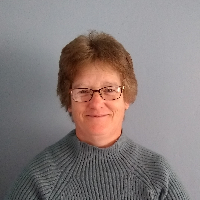
Lisa Draper, LPC
Michigan · 7 years in practice
Lisa Draper is a Licensed Professional Counselor (LPC) who focuses on helping people who feel stuck by stress, anxiety, trauma, addiction, or life changes.
License and registration
- LPC, Michigan
- 6401018352 · expires May 2028
- LPC, South Carolina
- 12166 · expires August 2027
- NPI
- 1477079564 · national provider identifier
- Years in practice
- 7
- Languages
- English
Details are as listed on the therapist's public professional profile. You can check the license with the issuing state board, and the NPI with the national registry.
About Lisa
Lisa Draper is a Licensed Professional Counselor (LPC) who focuses on helping people who feel stuck by stress, anxiety, trauma, addiction, or life changes. She uses straightforward language and a calm presence to help people talk through what is happening now and find steps they can try right away.
She views each session as part of a journey and aims to walk beside clients rather than push or pull them.
Background and approach
Sessions move at a pace set by the client, with practical strategies and options drawn from several therapy methods. Lisa pays attention to mood, sleep, anger, and the everyday habits that keep problems going. Her background includes seven years of clinical experience working with adults facing substance use concerns alongside depression, anxiety, and traumatic memories.
That history shaped a problem-solving orientation that combines tools for coping in the moment with ways to change patterns over time. Lisa draws on approaches such as cognitive behavioral techniques, mindfulness practices, and Acceptance and Commitment Therapy to help people notice what matters and act on it.
She also uses eye movement desensitization and reprocessing for people processing distressing memories when that fits the client's goals. She offers sessions from Michigan and works in English. Lisa aims to be practical, direct, and compassionate while helping people rebuild routines, improve sleep and mood, manage cravings, or process difficult events.
If someone wants to begin, she encourages taking a first small step and matching with a therapist who fits their needs.
Focus areas and approaches
Everything Lisa lists on their public professional profile, in their own terms.
- Stress, Anxiety
- Addictions
- Trauma and abuse
- Depression
- Coping with life changes
- LGBT
- Relationship issues
- Grief
- Sleeping disorders
- Anger management
- Self esteem
- Compassion fatigue
- ADHD
- Blended family issues
- Caregiver issues and stress
- Chronic pain, illness, and disability
- Co-morbidity
- Communication problems
- Coping with natural or human-caused disaster
- Dissociation
- Divorce and separation
- Domestic violence
- Emptiness
- First responder issues
- Forgiveness
- Guilt and shame
- Midlife crisis
- Veteran and Armed Forces Issues
- Mood disorders
- Obsessions, compulsions, and OCD
- Panic disorder and panic attacks
- Personality disorders
- Post-traumatic stress
- Seasonal Affective Disorder (SAD)
- Social anxiety and phobia
- Traumatic brain injury
Approaches Lisa names
- Eye Movement Desensitization and Reprocessing (EMDR)
- Acceptance and Commitment Therapy (ACT)
- Client-Centered Therapy
- Cognitive Behavioral Therapy (CBT)
- Mindfulness Therapy
- Motivational Interviewing
- Psychodynamic Therapy
- Solution-Focused Therapy
- Trauma-Focused Therapy
Naming an approach is not evidence of training in it. This directory copies what each therapist lists and does not check training records.
Online support
Therapeutic approaches and online care that fit your life
Lisa blends cognitive behavioral therapy and Acceptance and Commitment Therapy in ways that help people notice unhelpful thinking and learn small, concrete skills to change behavior. CBT focuses on identifying patterns and testing different actions, which can help with anxiety, depression, sleep, and managing cravings. ACT emphasizes values and committed action, helping people move toward what matters even when tough emotions are present.She also uses Eye Movement Desensitization and Reprocessing to address distressing memories when that approach suits a client's goals; this method involves processing memories while using structured bilateral stimulation to reduce the intensity of the memory and its hold on daily life. Choosing the right approach is a shared process - she works collaboratively with clients to pick methods that match their goals, needs, and comfort level and adjusts the plan as therapy progresses.
Online therapy options include video calls, phone sessions, live chat, and text-based messaging, which make it easier to fit sessions around work, caregiving, or medical appointments. Video lets you work face-to-face from a distance, phone sessions use less bandwidth when needed, chat can be a quick check-in, and messaging supports ongoing reflection between appointments. These formats increase flexibility and make it simpler to maintain continuity of care when schedules change.
We will earn a commission if you sign up through our link, at no cost to you. It does not change what you pay or the order of the listings.
Questions people ask
What kinds of concerns does she help with?
She works with stress, anxiety, addictions, trauma and abuse, depression, grief, sleep problems, anger, low self-esteem, and related issues listed in her specialties.
What is her general therapeutic style?
She uses a practical, collaborative style and aims to walk beside clients while offering tools and steps to try between sessions.
How much clinical experience does she have?
She has seven years of clinical experience working with adults, including several years supporting people with substance use concerns alongside mood and trauma issues.
What credentials does she hold and where is she located?
She is a Licensed Professional Counselor (LPC) with Michigan and Michigan-based practice details noted as MI LPC and SC LPC, and she practices from Michigan.
Can I work with her if I live outside the United States?
Sessions are offered to international clients and are conducted in English.
Which session formats are available?
She provides video calls, phone sessions, live chat, and text-based messaging for flexible session formats.
How are sessions paid for and what does it cost?
Cost varies with location and therapist availability; sessions are provided through a subscription that can be canceled at any time.
How do I get started working with her?
Choose the Start Therapy button, complete the short matching questionnaire, and schedule sessions based on therapist availability.
More therapists in Michigan
See all
Cassandra Tordosinsky
LPC
Compassionate, practical therapy for real-life struggles
- Stress, Anxiety
- Addictions
- Trauma and abuse

Surilla Lawrence
LPC
Trauma-informed counselor focused on connection and coping
- Stress, Anxiety
- Relationship
- Trauma and abuse
Dr. Cheri Anderson
LPC
Experienced counselor with practical guidance
- Stress, Anxiety
- Addictions
- Relationship
Is this your profile?
Ask us to correct details or take the page down.
Contact us