Clinical social work directory
Therapists in Michigan
57 therapists in this directory hold a licence issued in Michigan and name EMDR among their approaches. Sessions are online; a US therapist can usually only see people in a state where they hold a licence, so check the credentials panel on each profile.
Welcome to our directory of online therapists serving Michigan. All therapists listed are licensed in Michigan; explore the profiles to review approaches, credentials, languages, and areas of focus.

Cassandra Tordosinsky
LPC
Compassionate, practical therapy for real-life struggles
- Stress, Anxiety
- Addictions
- Trauma and abuse
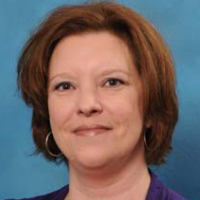
Surilla Lawrence
LPC
Trauma-informed counselor focused on connection and coping
- Stress, Anxiety
- Relationship
- Trauma and abuse

Dr. Cheri Anderson
LPC
Experienced counselor with practical guidance
- Stress, Anxiety
- Addictions
- Relationship

Regina Simon
LMSW
Skilled clinician for relationship and identity concerns
- LGBT
- Family
- Intimacy-related issues

Lynne Campbell
LPC
Compassionate counseling with practical tools
- Stress, Anxiety
- Trauma and abuse
- Self esteem
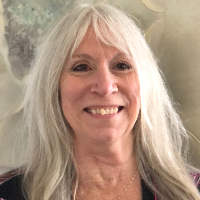
Crysta Ransom
LMSW, LCSW
Therapist focused on trauma and relationships
- Stress, Anxiety
- Relationship
- Family

Gwendolyn Henry
LMSW
Compassionate social worker focused on practical healing
- Stress, Anxiety
- Trauma and abuse
- Grief

Heather Raitz
LMSW
Supportive Michigan therapist focused on practical change
- Stress, Anxiety
- Self esteem
- Coping with life changes

Diane London
LPCC, LPC
Practical therapy for relationships and life changes
- Stress, Anxiety
- LGBT
- Relationship

Peggy Cahue-Kuipers
LPC
Compassionate counselor focused on practical change
- Stress, Anxiety
- Addictions
- Relationship
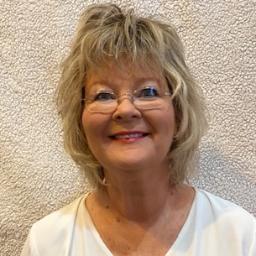
Madeleine McConnell
LPC
Practical, trauma-informed counseling with a collaborative focus
- Stress, Anxiety
- Addictions
- Trauma and abuse

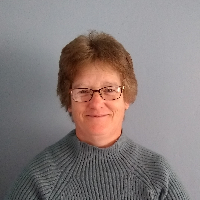
Melissa "Missy" Taylor
LPC, LCMHC
Compassionate counselor focused on trauma recovery and coping
- Stress, Anxiety
- Trauma and abuse
- Grief

Rev. Carolyn Simon
LPC
Compassionate counselor focused on practical change
- Stress, Anxiety
- Relationship
- Self esteem

Dr. Christopher Curtis
LPC
Practical, experienced counselor focused on recovery
- Stress, Anxiety
- Relationship
- Family

Colleen Tavor
LPC
Practical support for trauma and anxiety
- Stress, Anxiety
- Relationship
- Trauma and abuse

Michael Gee
LPC
Compassionate, practical therapy for trauma and addiction
- Stress, Anxiety
- Addictions
- Trauma and abuse

Colette Spaulding
LMSW
Compassionate therapist using trauma-informed methods
- Stress, Anxiety
- Trauma and abuse
- Self esteem

Kimberly Taylor
LPC
Compassionate counselor focused on practical healing
- Stress, Anxiety
- Self esteem
- Depression

Leonard Uchendu
LMSW, LCSW, CSW
Compassionate, practical care for emotional struggles
- Stress, Anxiety
- Addictions
- Trauma and abuse

Gabriel Kangas
LPC
Compassionate counselor blending practical strategies
- Stress, Anxiety
- Relationship
- Trauma and abuse

Destiny Aldred
LMSW
Trauma-informed, practical, person-centered care
- Relationship
- Family
- Trauma and abuse

Angela Nester
LMSW
Calm, practical therapy focused on real-life change
- Stress, Anxiety
- Family
- Parenting

Allison Johnston
LPC
Compassionate counselor who helps people rebuild confidence
- Stress, Anxiety
- Self esteem
- Career


Patricia (Patti) Beckwith
LPC
Compassionate, practical therapy for life’s challenges
- Stress, Anxiety
- Trauma and abuse
- Grief

Michael Garrison
LMSW, LCSW
Practical, relationship-focused clinical social worker
- Trauma and abuse
- Grief
- Intimacy-related issues

Amy Adams
LMSW
Compassionate, practical therapy for everyday struggles
- Stress, Anxiety
- Trauma and abuse
- Anger

Dr. Scott Shaw
LPC, LMSW
Straightforward help for stress and trauma
- Stress, Anxiety
- Trauma and abuse
- Self esteem


Jacqueline Rafter
LCSW, LMSW
Practical support for trauma and relationship concerns
- LGBT
- Relationship
- Trauma and abuse

Raj Chehl
LPC
Compassionate counselor blending talk and trauma work
- Stress, Anxiety
- Relationship
- Trauma and abuse

Richard Smith
LPC
Practical therapy for stress and trauma
- Stress, Anxiety
- Relationship
- Trauma and abuse


Daphne Hamburg
LCSW, LMSW
Practical trauma-informed therapy for real life
- Stress, Anxiety
- Addictions
- LGBT

Aisleen Morr
LMSW
Trauma-informed, practical therapy for everyday life
- Stress, Anxiety
- Trauma and abuse
- Parenting

Katlyn Hill
LMSW
Calm, practical therapy for trauma and mood struggles
- Stress, Anxiety
- Relationship
- Trauma and abuse

Jennifer Robinson
LPC
Trauma-informed counselor focused on practical growth
- Stress, Anxiety
- Trauma and abuse
- Intimacy-related issues

Michael Mudgett
LPC
Calm practical support for stress and relationships
- Stress, Anxiety
- Relationship
- Grief

Jennifer Quinn
LMSW, LCSW
Compassionate therapist using EMDR and skills-based care
- Stress, Anxiety
- Addictions
- Trauma and abuse

Jameshia Johnson
LMSW
Compassionate, relationship-focused clinical social worker
- Stress, Anxiety
- Family
- Trauma and abuse

Paul Farley
LPC
Calm, practical therapy for life and trauma
- Stress, Anxiety
- Relationship
- Trauma and abuse

Cindy McGraw
LPC
Compassionate, practical therapy for adult challenges
- Stress, Anxiety
- Relationship
- Trauma and abuse

Lori Wenglikowski
LMSW
Compassionate, practical therapy for adults
- Stress, Anxiety
- Trauma and abuse
- Anger

Michele Bowen
LMSW, LCSW
Compassionate trauma-informed clinical social worker
- Stress, Anxiety
- Addictions
- Trauma and abuse

Suzanne Boak
LMSW
Compassionate therapist for relationship and trauma concerns
- Relationship
- Family
- Grief

Teresa Fowler
LPC
Compassionate, practical counseling for life challenges
- Stress, Anxiety
- Parenting
- Self esteem

Some links on this page are partner links. We will earn a commission if you sign up through one, at no cost to you. It does not change what you pay or the order of the listings.
Overview of online therapy availability in Michigan
Over the last several years, remote mental health care has become a common way to connect with licensed therapists across Michigan. Many clinicians who practice in the state offer video or phone sessions so you can meet from your own home, a community space, or another setting that works for you. State oversight governs who may offer therapeutic services and how telehealth is delivered, so therapists who list online options typically do so within the framework of Michigan regulations. When you search for a clinician, you will find profiles that describe the formats they use, the populations they work with, and the therapeutic approaches they list. Those profiles are a starting point for understanding how a therapist frames their work and whether their style may align with what you are looking for.
Because practice models and technology evolve, the landscape for online care can change over time. That is one reason to focus on the information the therapist shares about approaches, credentials, languages spoken, and areas of expertise. Profiles that note specialties and therapeutic methods make it easier for you to narrow choices before reaching out. Whether you live in a dense urban area such as Detroit or a rural region of the Upper Peninsula, remote sessions can increase the pool of clinicians you can consider while still keeping regulatory requirements in mind.
Benefits of online therapy for Michigan residents
Online therapy offers several practical benefits that may matter to you depending on where you live, how you travel, and how you prefer to communicate. For many people, remote sessions reduce the need to commute and provide more flexible timing around work, family, and other obligations. If you live in a community with fewer local providers, online options can broaden access to clinicians who bring different backgrounds, languages, and approaches to their work. That may be particularly important if you are seeking help in a language other than English or from someone who has experience with specific cultural or life-stage concerns.
Beyond logistics, online sessions can make it easier to maintain continuity when life requires travel or relocation within the state. You may find it less stressful to attend sessions from a familiar setting, and some people report feeling more comfortable opening up when they are in their own environment. Technology does introduce considerations - such as internet reliability and device setup - so it helps to plan for a quiet, distraction-free place to meet and a backup option if a connection drops. Overall, remote therapy is a flexible option that complements in-person care and may help you create a sustainable path for ongoing support.
What types of issues online therapists in Michigan commonly help with
Online therapists in Michigan work with a wide range of concerns, from everyday stress and adjustment difficulties to longer-standing issues that affect daily functioning. Many clinicians support people experiencing anxiety, depression, grief, relationship challenges, life transitions, and parenting stress. Others focus on trauma-related concerns, mood regulation, and the effects of major medical or career changes. You will also find therapists who describe experience with work-related stress, identity and sexuality questions, and challenges unique to certain life stages, including adolescence and midlife.
Profiles on a directory often list therapeutic approaches alongside the issues a clinician commonly addresses. Some therapists list EMDR among their approaches, while others note methods such as cognitive and experiential modalities, systemic work, or somatic-informed approaches. That information can help you identify clinicians whose ways of working match your comfort level and goals. Keep in mind that an approach listed on a profile signals what a therapist may use in practice, but it does not serve as proof of a particular credential. Instead, use listed approaches as one factor in deciding which clinicians you want to learn more about.
How to verify a therapist's license in Michigan
Verifying a therapist's license is an important step in choosing care. Michigan maintains public records where you can confirm a clinician's license type and status. To begin, identify the type of license listed on a clinician's profile - common designations include professional counselor, social worker, marriage and family therapist, and psychologist. Once you know the license category, use the state's license lookup tool to search by name or license number. The lookup typically shows whether the license is current, the date it was issued, any disciplinary actions on record, and the board that oversees that license.
When you view a license record, pay attention to the exact license name and expiration date, and review any notes about restrictions or actions. If a profile includes a license number, you can use that to match the person in the directory to the record in the state database. If you are unsure which licensing board to check, a general web search for Michigan license lookup plus the clinician type should point you to the right resource. If you have questions after viewing records, the state board or department that manages licensing can often provide guidance on interpreting the information.
How to get started and tips for choosing the right therapist
Starting with online therapy often begins with clarifying your goals. Think about what you want to address in sessions and what outcomes would feel meaningful to you. Use those priorities to read clinician profiles for language that aligns with your needs, such as experience with life transitions, trauma-informed approaches, or work with specific age groups. Pay attention to the therapeutic approaches therapists list, the credential abbreviations they include, languages spoken, and descriptions of their work with particular populations. These details help you form an initial short list of clinicians to contact.
When you reach out to a clinician, consider asking about approach, typical session structure, and how they conceptualize the concerns you brought up. You do not need to ask about training in a specific method - instead ask how they use certain approaches in practice and what a typical course of work might look like for someone with your concerns. Think about fit beyond credentials: cultural sensitivity, communication style, and whether their stated values resonate with you can all influence how effective the relationship feels. Practical factors matter too - clarify session length, fees, and whether they accept the forms of payment or insurance you prefer. A brief conversation or introductory meeting can give you a sense of rapport and whether you want to continue working with that person. Over time, you can assess progress against the goals you set and adjust the plan as needed.
Final considerations as you explore Michigan listings
Choosing a therapist is a personal process that balances practicalities and personal fit. Use directory profiles to compare focus areas, approaches, credentials, languages, and experience rather than relying on a single indicator. If you see clinicians who list EMDR among their approaches and that method interests you, include it among the criteria you review. Take time to prepare for your first conversations so you can describe what matters most to you and ask how the therapist typically supports clients with similar concerns. With a thoughtful approach, you can find an online therapist in Michigan whose style and experience align with the help you want.