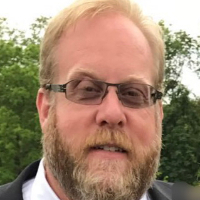
Dr. Christopher Curtis, LPC
Michigan · 20 years in practice
Dr. Christopher Curtis helps people cope with stress, anxiety, depression, grief, anger, relationship strains, parenting concerns, trauma and addiction-related issues.
License and registration
- LPC, Michigan
- 6401007418 · expires March 2028
- NPI
- 1215501143 · national provider identifier
- Years in practice
- 20
- Languages
- English
Details are as listed on the therapist's public professional profile. You can check the license with the issuing state board, and the NPI with the national registry.
About Christopher
Dr. Christopher Curtis helps people cope with stress, anxiety, depression, grief, anger, relationship strains, parenting concerns, trauma and addiction-related issues. He also supports people dealing with self-esteem, LGBT concerns, coping with life changes, and problems like smoking or vaping cessation.
Dr. Curtis brings 20 years of experience to his work and approaches therapy in a direct, practical way. He creates a calm, nonjudgmental space where people can talk through thoughts, feelings, behavior patterns, and inner dialogue.
Background and approach
Sessions focus on clear skills and steps that can be practiced between meetings. The tone is collaborative - the client and therapist decide what to work on together. Dr.
Curtis uses methods drawn from Cognitive Behavioral Therapy and Acceptance and Commitment Therapy to address unhelpful thinking and to build meaningful action. He also incorporates client-centered methods and mindfulness to help people notice what matters to them and stay present. EMDR is part of his toolkit for addressing traumatic memories when appropriate.
Over two decades of practice have shaped a practical focus: teaching tools that help people manage symptoms and make steady changes. He emphasizes small, achievable steps and real-world practice rather than abstract theory. That makes therapy useful for daily life, parenting demands, work stress, and relationship repair.
Dr. Curtis holds a Licensed Professional Counselor credential (LPC) and practices in Michigan. Sessions are offered in English and are aimed at adults seeking individual support for the concerns listed above.
Focus areas and approaches
Everything Christopher lists on their public professional profile, in their own terms.
- Stress, Anxiety
- Relationship issues
- Family conflicts
- Parenting issues
- Depression
- Addictions
- LGBT
- Trauma and abuse
- Grief
- Anger management
- Self esteem
- Coping with life changes
- Blended family issues
- Communication problems
- Family of origin issues
- Family problems
- Fatherhood issues
- Guilt and shame
- Men's issues
- Smoking / vaping cessation
- Social anxiety and phobia
- Young adult issues
Approaches Christopher names
- Eye Movement Desensitization and Reprocessing (EMDR)
- Acceptance and Commitment Therapy (ACT)
- Client-Centered Therapy
- Cognitive Behavioral Therapy (CBT)
- Mindfulness Therapy
Naming an approach is not evidence of training in it. This directory copies what each therapist lists and does not check training records.
Online support
Therapeutic approaches and online care
Dr. Curtis commonly uses Acceptance and Commitment Therapy and Cognitive Behavioral Therapy to help people notice painful thoughts and then take steps that align with personal values. ACT focuses on accepting difficult feelings while committing to actions that matter, which can help with anxiety, depression, and life transitions. CBT breaks down patterns of thinking and behavior so you can practice new responses that reduce distress and improve daily functioning.He also brings client-centered methods and mindfulness into online sessions so conversations stay focused on what matters to the client. Choosing the right approach is a collaborative process - the therapist will work with each person to match methods to their goals, preferences, and the problems they want to solve. Adjustments are made over time based on what proves most helpful.
Online formats include video calls, phone sessions, live chat, and text-based messaging to fit different needs. Video calls allow full face-to-face interaction and guided exercises. Phone sessions work well when lower bandwidth or hands-free time is needed. Live chat or messaging can be used for briefer check-ins, ongoing skill practice, or when typing feels more comfortable. These options make it easier to fit therapy into busy schedules and to continue work between sessions.
We will earn a commission if you sign up through our link, at no cost to you. It does not change what you pay or the order of the listings.
Questions people ask
What issues does Dr. Curtis address?
He works with stress, anxiety, depression, trauma and abuse, grief, anger, relationship and family concerns, parenting and fatherhood issues, addictions, LGBT matters, self-esteem, and coping with life changes.
How would you describe his therapeutic style?
His approach is collaborative and straightforward, focusing on skills you can use between sessions and short-term steps that build toward long-term change.
What kind of background does he have?
He has 20 years of experience working with adults and has trained in a range of cognitive and behavioral approaches over his career.
Where is he licensed and based?
He holds an LPC credential and practices in Michigan.
Which languages are sessions offered in?
Sessions are offered in English and international clients are not currently accepted.
What session formats are available online?
He offers video calls, phone sessions, live chat, and text-based messaging as session formats.
How are sessions paid for and what does cost look like?
Costs vary with location and therapist availability; sessions use a subscription model that can be canceled at any time.
How do I begin working with him?
Start by selecting the Start Therapy button, complete a short matching questionnaire, and then schedule sessions according to the therapist's availability.
More therapists in Michigan
See all
Cassandra Tordosinsky
LPC
Compassionate, practical therapy for real-life struggles
- Stress, Anxiety
- Addictions
- Trauma and abuse
Surilla Lawrence
LPC
Trauma-informed counselor focused on connection and coping
- Stress, Anxiety
- Relationship
- Trauma and abuse
Dr. Cheri Anderson
LPC
Experienced counselor with practical guidance
- Stress, Anxiety
- Addictions
- Relationship
Is this your profile?
Ask us to correct details or take the page down.
Contact us